In a stunning twist of fate for the natural world, a delicate Australian shrub believed to have vanished from the planet over half a century ago has been found alive and well. The remarkable rediscovery underscores the invaluable role of public participation in modern science.
The Moment of Rediscovery
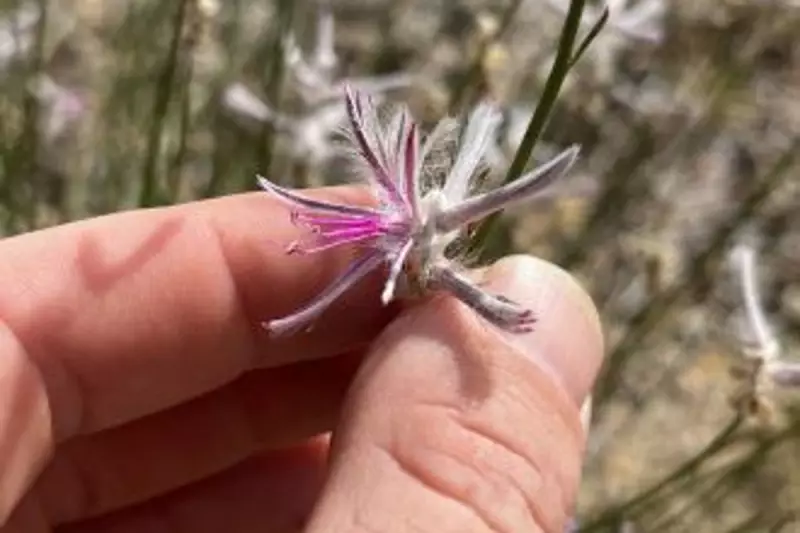
In June 2025, horticulturist Aaron Bean was exploring a private property in northern Queensland when he stumbled upon a small, slender plant he didn't recognise. Intrigued, he did what any modern naturalist might: he pulled out his smartphone. Using the popular community science application iNaturalist, Bean uploaded photographs of the unusual specimen for identification.
What happened next was extraordinary. Amateur and professional botanists on the platform began analysing the images. The consensus was astonishing: this was Ptilotus senarius, a member of the Amaranthaceae family not seen by scientists since 1967. For 58 years, it had been presumed extinct, its existence known only from historical records.

The Power of Citizen Science
This significant find, now formally detailed in the Australian Journal of Botany, was made possible not by a high-budget research expedition, but by a free app and an observant individual. Platforms like iNaturalist are revolutionising conservation and biodiversity research by harnessing the collective power of millions of curious eyes around the globe.
The plant's last official recording was in 1967, meaning it had been missing for nearly six decades. Its sudden reappearance on a smartphone screen is a powerful testament to how technology can bridge the gap between professional science and public curiosity, leading to genuine breakthroughs.
Implications for Global Conservation
The rediscovery of Ptilotus senarius sends a wave of hope through the conservation community. It proves that even species written off as lost can persist in hidden pockets, waiting to be found. This event highlights several critical points for environmental efforts worldwide:
- Unexplored Havens: Private land and inaccessible regions can serve as unintended sanctuaries for rare flora.
- Digital Toolkits: Smartphone apps are becoming essential tools for monitoring planetary biodiversity in real-time.
- Hope for Lost Species: This case should encourage continued searches for other plants and animals classified as extinct.
For scientists in the UK and beyond, the story reinforces the need to support and engage with citizen science initiatives. Every gardener, hiker, or nature enthusiast with a phone has the potential to contribute to the next great discovery, helping to rewrite the catalogue of life on Earth.