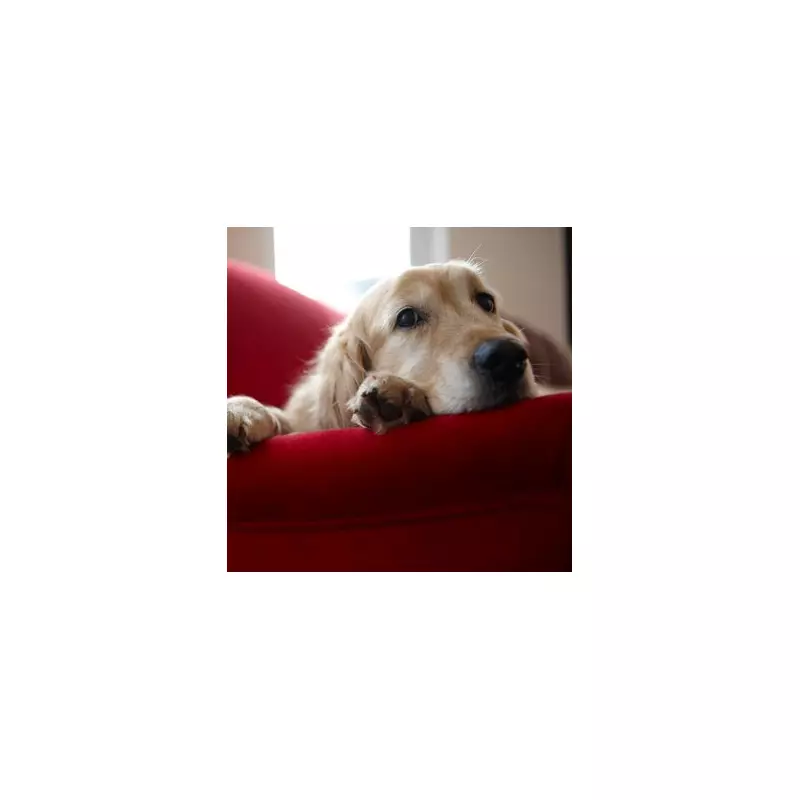
Every dog owner knows the heart-wrenching look of sadness that can flash across their pet's face as they grab their keys and head out the door. That palpable sense of relief and joy upon returning home is equally familiar. Yet, unlike a child, we cannot simply tell our canine companions we'll be back soon, leaving them to potentially suffer in silence from separation anxiety.
Understanding the Canine Mind When Alone
According to insights shared by TikTok user @pawfyshop, a dog's experience of being left is far more intense than simple longing. "When you leave, your dog doesn't just 'miss you' - they panic like a toddler who lost their mum," the account explained. This comparison highlights the depth of distress, framing separation anxiety as a primal fear of abandonment rather than mere boredom.
The RSPCA has emphasised the seriousness of the issue, warning that the outdated advice of letting a dog "cry it out" is neurologically damaging. Their statement notes a particular challenge for owners: "half of dogs suffering from separation-related behaviour won't show any signs when you're with them," making the problem tricky to diagnose preemptively.

Practical Strategies to Ease Your Dog's Worry
Experts recommend several simple but effective changes to your routine to help your pet cope. A key suggestion is to provide mental and physical stimulation. "Always make sure that your dog has exciting things to do when you're not with them," advises the RSPCA. This can include giving them a long-lasting chew, a stuffed Kong toy, or a treat-dispensing puzzle ball just as you plan to depart.
It's crucial to introduce these items while you are present. If your dog ignores the special toy once you leave, it may be a clear indicator of underlying anxiety. Another effective tactic is leveraging scent. Leaving an item of your worn clothing with your dog can provide comfort, as your familiar smell can be deeply reassuring in your absence.
Preparation is also vital. Taking your dog for a walk before you leave serves a dual purpose: it allows for essential exercise and a toilet break. The RSPCA recommends returning home about thirty minutes before your planned departure to allow your dog to settle. Ensuring they are not hungry by providing a small meal or a food toy can also promote relaxation.
Knowing When to Seek Extra Help
For longer absences, the guidance is clear-cut. The RSPCA recommends that dogs should not be left alone for more than four hours, with puppies requiring significantly less time. However, dogs with severe anxiety may become distressed within minutes of you leaving, or even as you prepare to go.
In these cases, or for extended periods, professional help is advised. "Using a dog sitter or dog walking service means that someone can keep your dog company and take them for a walk," the statement adds. This intervention can be instrumental in gradually building your dog's tolerance and easing the stress of solitude.
By understanding the profound worry our departures can trigger and implementing these compassionate, evidence-based strategies, owners can foster a calmer, happier environment for their pets when home alone.