The Queensland government has sparked significant controversy by euthanising a pack of dingoes on K'gari, formerly known as Fraser Island, following the tragic death of a Canadian backpacker. The decision has ignited fierce debate between public safety concerns and conservation priorities, with traditional owners expressing outrage at not being consulted.
Backpacker Tragedy Triggers Culling Operation
Authorities confirmed that six dingoes were put down after rangers identified a pack of ten animals believed to have surrounded the body of nineteen-year-old Piper James when it was discovered on a beach on the World Heritage-listed island on 19th January. Queensland's environment minister, Andrew Powell, defended the action as "appropriate for public safety" and indicated that the operation would continue as necessary.
The Coroners Court of Queensland revealed that preliminary autopsy findings showed evidence "consistent with drowning" alongside injuries matching dingo bites. Importantly, the court noted that pre-mortem bite marks likely did not cause immediate death, though a full investigation remains underway. This incident represents the first fatal dingo attack on the island in approximately twenty-five years, reviving difficult questions about human-wildlife coexistence in popular tourist destinations.

Traditional Owners Voice Frustration and Disappointment
The Butchulla people, recognised as K'gari's traditional owners, expressed profound disappointment at not being consulted before the euthanisation occurred. The Butchulla Aboriginal Corporation released a statement to Australian media describing the decision as "unexpected and disappointing," adding that it "feels as though economic priorities are being placed above the voices of the people and traditional owners."
This sentiment highlights ongoing tensions between indigenous stewardship and governmental decision-making processes regarding wildlife management on traditional lands. The lack of consultation has particularly stung given the cultural significance of the island and its ecosystems to the Butchulla people.
Conservation Experts Warn of Genetic Consequences
Wildlife specialists have raised serious concerns about the potential impact on K'gari's already vulnerable dingo population. Professor Mathew Crowther from the University of Sydney, an expert in quantitative conservation biology, told AFP that the island's dingo population – estimated at between seventy and two hundred animals – is genetically isolated. "Removing a whole pack could damage genetic diversity," he cautioned, noting that dingoes often lose their natural fear of humans due to repeated tourist interactions, including some visitors ignoring strict feeding bans.
Dr Kylie Cairns, a dingo geneticist at the University of New South Wales, provided even starker warnings to The Guardian. She explained that the population already exhibits high levels of inbreeding, and further reductions could push it toward an "extinction vortex," increasing susceptibility to disease and reproductive complications. These expert assessments suggest the culling might have unintended long-term consequences for the island's fragile ecosystem.
Tourism Pressures and Historical Context
The incident has reignited debate about whether increasing tourism pressures on K'gari are making harmonious coexistence between humans and dingoes progressively more challenging. The last fatal attack occurred in 2001 when a nine-year-old boy was killed, leading to dozens of dingoes being culled. This historical precedent underscores the recurring nature of these difficult decisions.
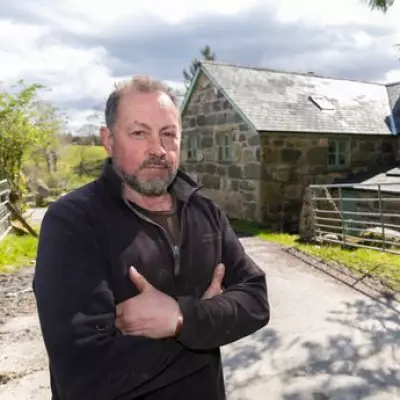
Piper James's father, Todd James, acknowledged the complexity of the situation on social media, describing news of the euthanisation as "heart-wrenching" while recognising that authorities might have felt compelled to act on safety grounds. This personal perspective adds emotional depth to an already polarising issue.
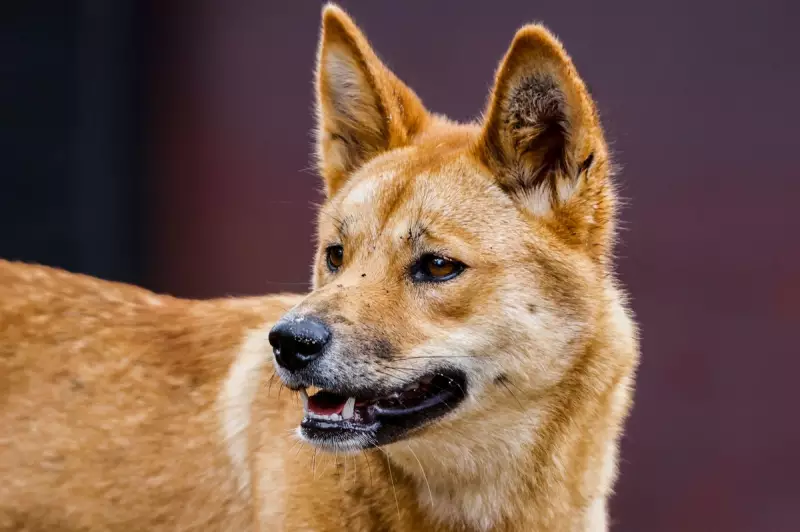
Dingoes, wild dogs native to Australia descended from ancient Asian domestic dogs that arrived thousands of years ago, are considered apex predators. Their management on K'gari continues to present significant challenges as authorities balance visitor safety with conservation imperatives and indigenous rights.