The Enduring Impact of Cecil the Lion's Death
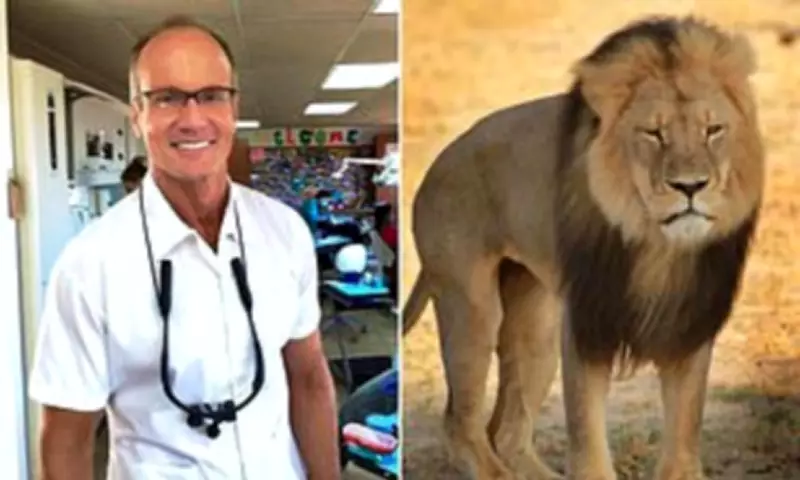
The image of Cecil the Lion, projected onto New York's Empire State Building following his brutal killing, became a global symbol of outrage against trophy hunting. This majestic animal, lured from Zimbabwe's Hwange National Park and shot with a bow and arrow by American dentist Walter Palmer in 2015, sparked international condemnation and highlighted critical issues in wildlife conservation.
The Global Outrage and Celebrity Reactions
When news of Cecil's slaughter emerged, an unprecedented wave of celebrity anger swept across social media and traditional media outlets. Model Cara Delevingne tweeted scathingly about Palmer, while actress Joanna Lumley emphasized the lion's right to life. Comedian Ricky Gervais shared poignant images of the at least 12-year-old lion, describing him as breathtakingly beautiful.
Ingrid Newkirk, British president of People for the Ethical Treatment of Animals, called for extreme measures against Palmer, reflecting the depth of public anger. The incident prompted airlines worldwide to ban passengers from transporting carcasses of Africa's 'Big Five' species, marking a significant policy shift in response to public pressure.

The Economic Reality Behind Trophy Hunting
Field researcher Brent Stapelkamp, who led the Hwange Lion Research Project tracking Cecil, reveals disturbing truths about the trophy hunting industry in a new Channel 4 documentary. Stapelkamp argues that wealthy foreign hunters are exploiting Africa while frequently violating local hunting laws.
According to documentary evidence, an estimated 36 million tourists visited Africa on safari in 2022, spending approximately $175 billion. Yet Stapelkamp claims little of this substantial revenue reaches local communities. Meanwhile, trophy hunters have killed at least 374 lions in Zimbabwe since 2015, including Cecil's own son Xanda.
Stapelkamp calculates that during peak tourist season, Cecil was generating an astonishing $50,000 daily for the park based on his visibility to photography tourists. By contrast, he asserts that the approximately $100,000 paid to legally hunt a lion often ends up in Swiss bank accounts rather than benefiting Zimbabwe's economy or communities bordering national parks.
Systematic Law Breaking and Underage Hunting
The researcher exposes systematic violations of hunting regulations in Zimbabwe. The legal minimum age for hunting Hwange lions is six years, designed to ensure each hunted lion has sired and raised at least one cohort of cubs to adulthood. However, Stapelkamp reveals that in 2014, four of five hunted lions were under six years old, with one being just twenty-two months.
This violation should have resulted in no hunting quota for 2015, making Cecil's killing that year potentially illegal from the outset. Stapelkamp, who collared Cecil with a GPS tracker in 2013, describes the morning he discovered something was wrong when the lion's location data stopped transmitting.
The Gruesome Details of Cecil's Final Hours
Stapelkamp reconstructs Cecil's tragic final moments with chilling detail. The lion was lured from the protected park area, possibly with a deliberately placed elephant carcass. After being struck in the flank by Palmer's arrow, Cecil fled wounded into the bush while the hunting party returned to camp to wait for daylight.
The injured lion survived overnight, suffering terribly before being tracked down and finished off the next morning. Stapelkamp imagines the quiet 'zonk' of the bow, followed by Cecil's confused reaction and slow, painful demise as he bled out alone in the darkness.
Evidence of Cover-Up and Industry Protection
Stapelkamp presents compelling evidence suggesting a coordinated cover-up following Cecil's death. He believes Palmer only panicked upon discovering the tracking collar in Cecil's mane, prompting guides to possibly simulate the lion's movements for days while the hunter fled the country.
The researcher suggests powerful hunting industry interests pressured Zimbabwean authorities to declare the hunt legal to protect their lucrative business. Guide Theo Bronkhorst, who participated in the documentary, admits moving Cecil's collar after the killing but maintains the hunt was completely legal.

Bronkhorst describes the media storm that followed as overwhelming and unfair, claiming the hunting community turned against him despite his insistence that proper procedures were followed. He details the technical aspects of the bow hunt, including the use of a tree blind and the decision to wait until morning to track the wounded animal.
The Continuing Legacy and Unanswered Questions
Walter Palmer declined to participate in the documentary but has previously claimed ignorance about Cecil's significance, stating he wouldn't have killed the lion had he known about the research project. Despite the global controversy, Palmer continues trophy hunting, reportedly traveling to Mongolia in 2020 to legally hunt a threatened ram.
Stapelkamp emphasizes that trophy hunting has no traditional African context, having been introduced by wealthy foreigners seeking to exploit the continent's wildlife. He distinguishes between subsistence hunting and trophy hunting, expressing particular concern about the latter's ethical implications and economic distortions.
The documentary raises fundamental questions about conservation funding, local community benefits, and the ethics of killing animals for sport. Cecil's story continues to resonate as a powerful symbol in the ongoing debate about humanity's relationship with endangered species and the true value of wildlife tourism versus trophy hunting.