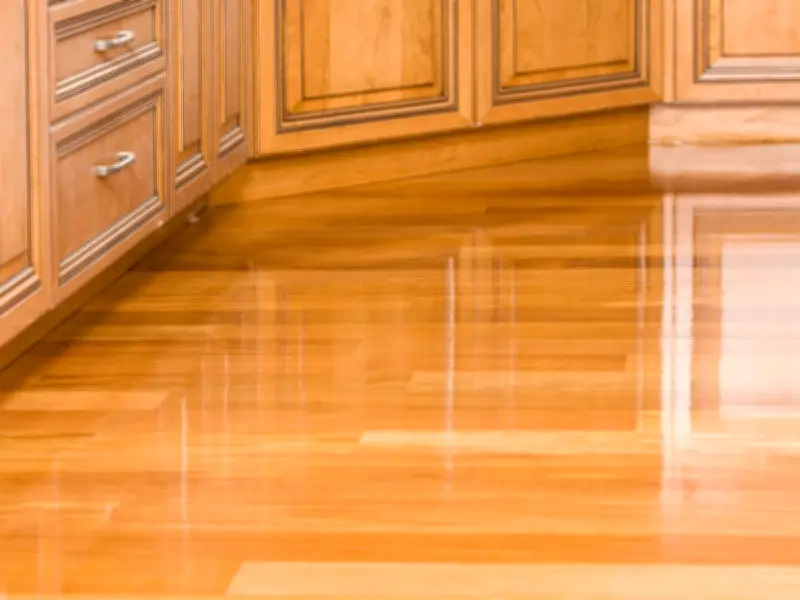
Floors will stay clean and shiny longer if mopped with one everyday item that cleaning experts love: black tea. Wooden floors are easier to clean than carpets, but they still require regular care to maintain their appearance.
Why Wooden Floors Lose Shine in Spring and Summer
Wooden flooring has become increasingly popular over carpet in British households due to its easier maintenance. However, during spring and summer, wooden floors often need a deep clean to prevent damage. It is surprisingly common for floors to start losing their shine at this time of year, as the warmer season means opening windows more frequently, which allows extra dust and pollen to enter.
These particles accumulate on the floor, creating a thin film that makes the surface look tired and dull. When debris gathers, it not only makes a room look untidy but can also wear away the finish over time, potentially causing lasting harm.
The Black Tea Cleaning Method
To prevent this, cleaning influencer Danielle, known as @momthatlovestoclean on TikTok, has revealed her "amazing and natural" method for achieving glossier floors. Danielle uses four ingredients in her wooden floor cleaning formula, but one crucial product is vital for breaking down dirt and grime and adding shine: black tea.
Due to its elevated tannin levels, black tea can enhance the wood's natural colors, giving it a revitalized appearance. Tannins also dissolve and cut through dirt, effectively cleaning the floors. While other teas contain tannins, only black tea is suitable for this purpose. Different tea varieties have varying tannin concentrations, and alternatives either possess insufficient amounts or produce unreliable results.
How to Clean Wooden Floors with Black Tea
To clean wooden floors using black tea, you will need boiling water and approximately six to 12 black tea bags, depending on your floor's color. Darker wood requires more tea bags. Boiling the tea leaves releases the tannins necessary for cleaning and polishing the floors.
Once the tea has cooled, immerse a soft cloth in the liquid and squeeze it thoroughly. Excess moisture can damage hardwood floors, but as long as the cloth is not saturated, it is safe to apply. Clean the floors following the wood grain to prevent streaking, and results should be visible immediately.
Additional Tips for Wood Floor Care
After floor cleaning, it is an ideal opportunity to use the tea bags for cleaning kitchen windows. Other natural household items also help maintain wood. Some homeowners dilute white vinegar in water, while others opt for olive oil, lemon juice, or linseed oil. However, these can produce stronger odors or a slightly oily residue that attracts dust.