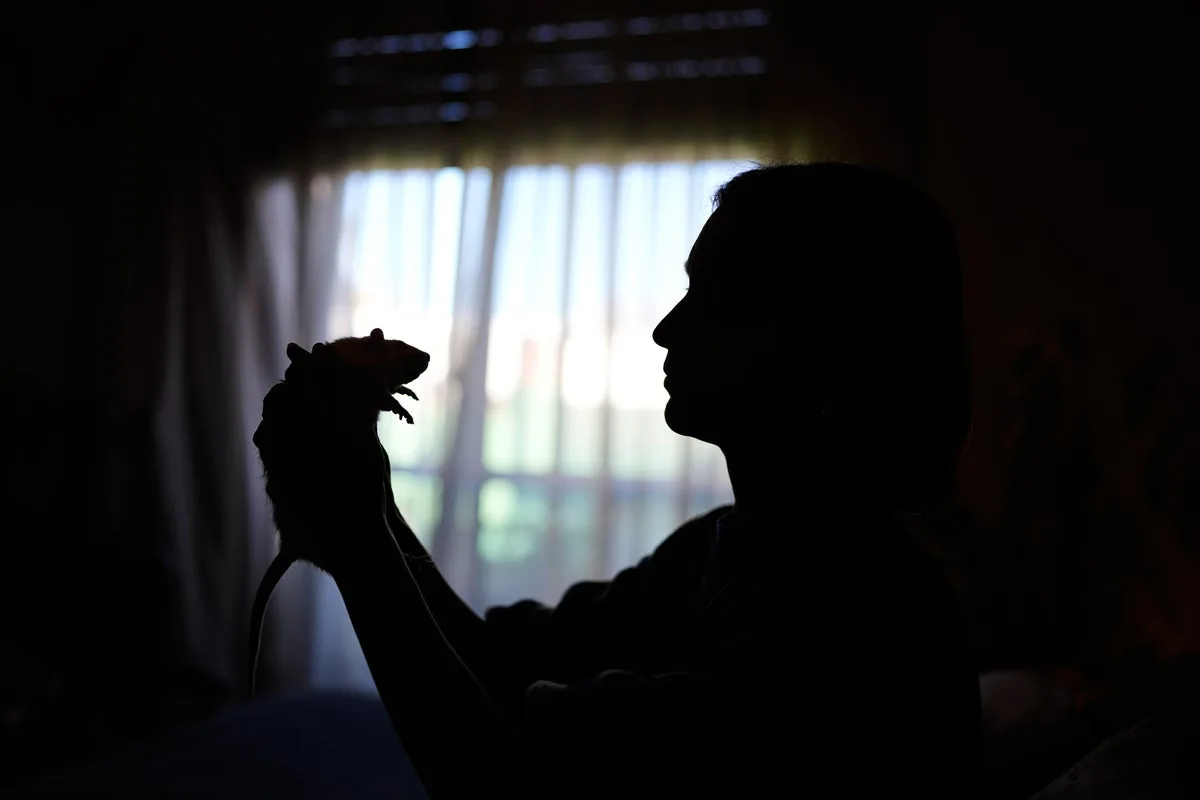
In a bustling indoor hall in Buenos Aires, a group of spectators watched three albino rats leap from small baskets into a spacious cage, while other rodents scurried through makeshift tunnels or eagerly sought applesauce offered by their keeper. This scene unfolded at Ratapalooza, an annual event dedicated to finding homes for rats and mice that were once used in laboratories or bred in animal facilities.
What is Ratapalooza?
Ratapalooza is a unique adoption fair organized by Team Ratas, a Spanish-named group meaning 'Team Rats.' The event aims to rehome rodents that are no longer needed for research, have outlived their purpose, or are surplus stock. In Argentina, keeping rats or mice as pets is perfectly legal, provided they are not wild. The fair features stalls selling rat-themed merchandise like keychains, mugs, stickers, and hair clips, with proceeds supporting veterinary care and food for the animals in foster homes.
A Personal Story
María Gabriela Aponte, who adopted three lab-raised rats including one named Camembert, sold vegan food and mouse-shaped pins at her stand. “People don’t really know, or they have a very specific perception of, what a pet is,” Aponte told the Associated Press. “Rats are very intelligent and sweet.”
Requirements for Adoption
Dominique Verdier, the representative of Team Ratas, emphasizes that potential adopters must have access to a veterinarian specializing in exotic animals, provide a spacious cage with ample accessories for entertainment, and dedicate at least one hour daily to quality time with their new pets.
A Growing Network
Team Ratas is a leading organization in Argentina and Latin America for rehoming lab rats and mice that would otherwise be euthanized. The initiative began in 2016 when Verdier adopted two rats after a friend informed her that a university no longer needed them for research. Since then, she has built a rescue network with 90 foster homes in Buenos Aires and nearby towns, housing hundreds of animals from 11 animal facilities and labs. Over the past decade, Verdier has rescued more than 8,000 animals and found homes for approximately 3,000. The organization boasts over 60,000 followers on Instagram.
Addressing Misconceptions
Rodents often suffer from a negative reputation, especially amid concerns about hantavirus outbreaks, such as the recent one on the cruise ship MV Hondius. However, Verdier stresses that lab rats are perfectly healthy. “They do not transmit diseases because they have not had contact with the street nor are they inoculated with viruses and bacteria,” she explains. The labs supplying Team Ratas only provide animals that have not been infected with any pathogens. “Several laboratories prefer to euthanize the animals, while others tell me, ‘Take them away, we don’t want to sacrifice them’,” Verdier adds.
Support from the Scientific Community
Veterinarian Silvina Diaz, who studies the nervous system of rats and mice at the University of Buenos Aires, supports rehoming lab animals after their research careers end. “It is great that they’re doing this work of rehoming animals in families that can give them a good life,” says Diaz, who acts as a liaison between vet technicians and Team Ratas.
Facing Criticism
Despite her dedication, Verdier often faces criticism on social media. “If people see a dog shelter, they might admire it, but when I mention Ratapalooza they say, ‘What you’re doing is silly’,” she says. Nevertheless, she remains undeterred: “I’ve been doing this for 10 years and it keeps growing.”
Through events like Ratapalooza and a steadfast commitment to animal welfare, Team Ratas continues to change perceptions and give lab rodents a second chance at life in loving homes.