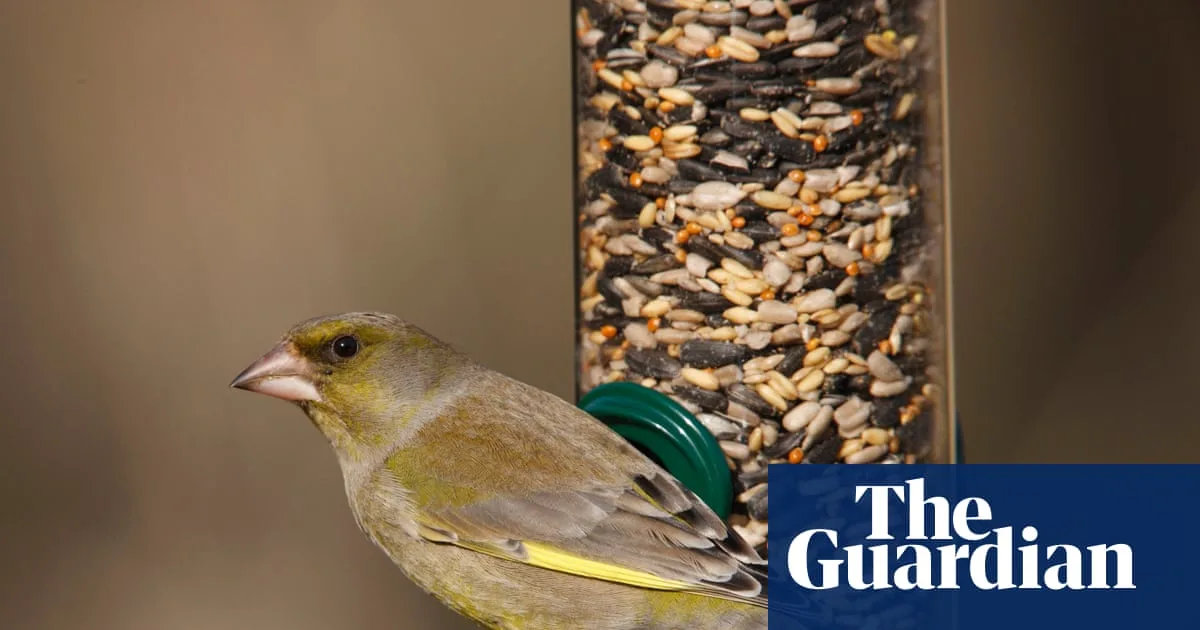
Greenfinches, once a familiar sight in British gardens, have experienced a dramatic population decline of nearly two-thirds over the past decade, according to the latest Big Garden Birdwatch results. This sharp drop has placed them on the conservation “list,” with broader UK surveys indicating a loss of more than two million birds since the mid-1990s.
RSPB Urges Pause on Seed Feeding
In response, the RSPB is calling on the public to stop feeding birds seed mixes and peanuts between May and October. This measure aims to reduce the spread of trichomonosis, a parasitic disease transmitted through infected saliva or regurgitated food, often at garden feeding stations. Adrian Thomas, an RSPB wildlife gardening expert, explains that while the disease historically affected pigeons as “canker,” it “appears to have jumped to finches,” now posing a serious threat.
Other Finches at Risk
Chaffinches have also become susceptible, and there are indications that bullfinches may be affected, suggesting the disease is moving through the finch family, Thomas observes.
With the RSPB advising against feeding seed mixes and peanuts from May to October and recommending flat-surfaced feeders be avoided due to increased disease risk, gardeners may wonder how they can still support greenfinches and other affected species.
Feed Birds Naturally
Bird feeders should always be considered a supplementary food source, says Thomas. “My primary aim in the garden is for my garden to produce the food that birds need and make my garden rich in food naturally, rather than relying on a bit of arable farmland somewhere in the world producing tons of bird food.”
“Lavender is great at producing seed, Verbena bonariensis is great at producing seed.” Cottage garden plants that set seed provide feeding opportunities for birds, he adds. Rose hips from ramblers and climbers are ideal for finches.
“When you look at the diets that our garden birds have, including greenfinches, it’s incredibly varied. They need more than a constant diet of sunflower seeds.”
Thomas warns that chaffinch numbers are on an “incredible downward slide” and that there were originally more chaffinches than greenfinches. “It’s a lot of birds to lose in our landscape.”
“For both of those, seed is really important. But when you look at what greenfinches eat naturally, they are moving on an almost weekly basis. In autumn they might go for yew berries, extracting the seed from the middle, or elm seeds, or charlock and wild cabbage seeds.”
“At another point it might be dandelion seeds – and that’s what we as gardeners can do. We can fill our garden with plants that give us joy as they flower but they’re also producing seeds at different points of the year.” Sunflowers (Helianthus annuus) are a great food source for finches and sparrows during colder months, while the cone-heads of echinacea and rudbeckia that flowered in summer and autumn are also packed with seeds.
Don’t Forget Insects
While greenfinches are almost exclusively seed eaters, they do consume some insects, bringing them to their chicks in the nest. Adult chaffinches eat many insects during the breeding season, he explains. “So a garden that is rich in plants produces seeds, berries and attracts insects. It never finds an absolute balance but it finds an equilibrium when you stop the pesticides and grow lots of different plants.”
Avoid Heavily Cultivated Plants
“What isn’t great at producing seed is a lot of the heavily cultivated plants which are so full of petal they haven’t got any of the reproductive organs in place and they don’t set seed.”
Check Bird Feeder Hygiene
“There are other diseases that can be passed on at bird feeders, so keep those feeders clean, keep water sources like bird baths clean, as they are another key transmission point for trichomonosis,” Thomas advises.
He recommends that bird feeders be cleaned at least once a week. If you cannot dismantle your tubular feeder or reach the nooks and crannies, dunk the whole thing in a bucket of water with a mild disinfectant solution and ensure it is dry before refilling.
As for birdbaths, he says: “The advice is now to change that water on a daily basis and use tap water, because if you’re using rain water or collected water it may well have disease vectors in it.”
Move Feeding Points Regularly
When you resume feeding birds, move their feeding stations regularly. “Birds gathering in the same point are allowing this transmission of the disease and it’s often bits of food that have been dropped on the ground underneath, and birds gather at that point.”
Move your hanging hooks and feeders to different parts of the garden weekly and avoid using flat feeders, Thomas advises. “The era of the bird table is over because that flat surface allows birds to gather all in one place and be in contact with the saliva.”
What About Winter?
It is okay to keep offering small amounts of mealworms, fat balls, or suet year-round, but when you start offering seed and peanuts in late autumn and winter, ensure you do not put out large amounts of food that may be left hanging around for weeks, he says.






