
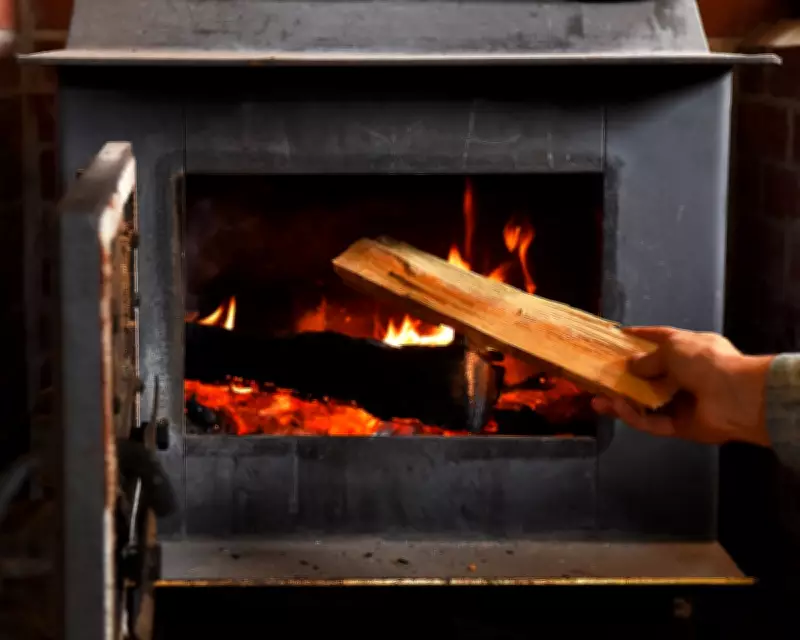
A systematic investigation by US academics has found that wood heating is reintroducing lead into the air of local communities and homes. The research, led by the University of Massachusetts Amherst, analysed particle pollution samples from suburban and rural towns in the north-east US over seven winters.
Key Findings
The study examined tiny particles of potassium, emitted when wood is burned, and lead-containing particles. Results showed a clear association between increased wood burning particles and higher lead concentrations in the air, with straight-line relationships in four of the five towns studied.
Lead concentrations remained below US legal limits, but any exposure to this neurotoxic metal is harmful. Professor Richard Peltier, senior author, stated: "Wood burning produces significant amounts of particle air pollution, and a small but measurable fraction of this is a powerful neurotoxicant."
Expansion and Implications
The project extended to 22 other towns across the US, revealing varying relationships between lead and potassium, strongest in the Rocky Mountains. By factoring in temperature effects, moderate to strong associations reinforced the conclusion that the extra lead originated from wood burning.
Tricia Henegan, a PhD student and first author, noted: "Wood fuels have been a popular choice. We were concerned about harmful elements placing the public at risk. It turns out we were right." The study suggests lead comes from the wood itself, likely absorbed from soil and retained in tree tissues until burning.
Lead was banned as a petrol additive over 25 years ago due to its neurotoxicity. However, this research indicates that wood burning can increase exposure in neighbourhoods and homes. Henegan added: "The use of wood as an energy source is a relic of the past, one that should not be relived if given a choice. Although wood fuel use can feel nostalgic, it has negative consequences on air quality and public health."




