
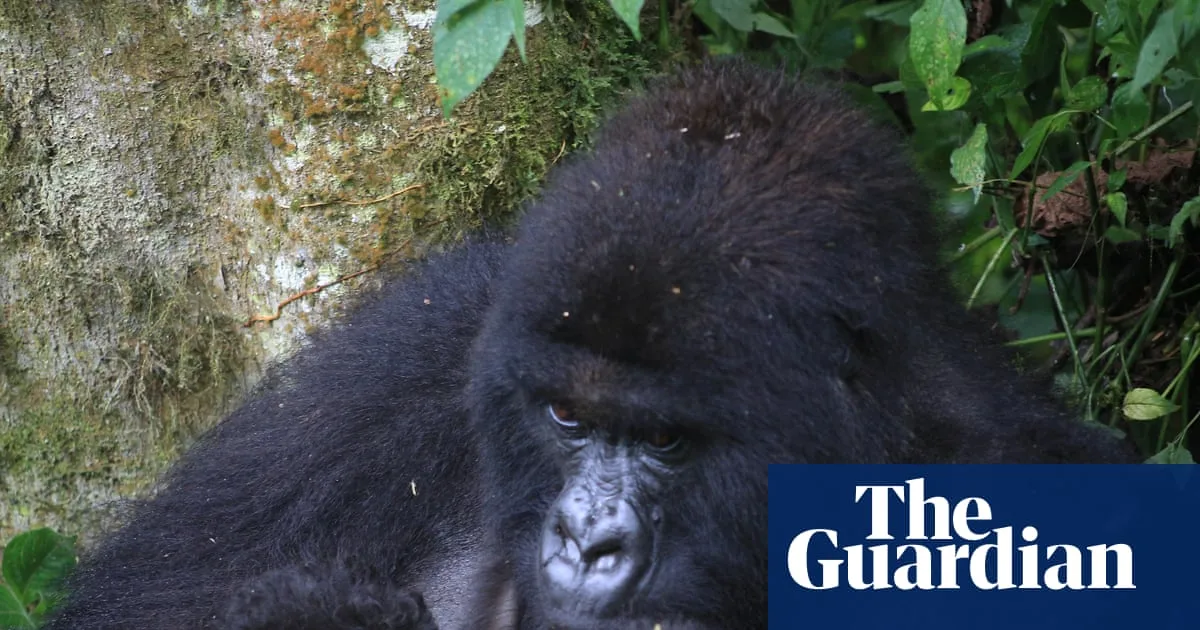
A second set of mountain gorilla twins has been born in Virunga National Park in the Democratic Republic of Congo, just two months after another twin birth was recorded. Conservationists have hailed the event as 'extraordinary' for the endangered subspecies.
The latest twins, a male and a female, were spotted in the Baraka family, a troop of 19 mountain gorillas that inhabit the region's high-altitude rainforests. Park rangers have placed the infants under additional monitoring to help them through the critical early months, as twins account for less than 1% of mountain gorilla births and place extra demands on the mother.
In January, a female gorilla named Mafuko gave birth to twin males, now 11 weeks old and thriving, with other troop members supporting the mother. Park authorities believe twin births are more likely when females are in good physical condition.
Jacques Katutu, head of gorilla monitoring at Virunga, said: 'Two instances of twin births within three months is an extraordinary event and provides another vital indicator that dedicated conservation efforts continue to support the growth of the endangered mountain gorilla population.'
Specialist veterinary care has been crucial to the subspecies' revival, with organisations like Gorilla Doctors preventing dozens of deaths. Mountain gorilla numbers have risen from around 250 in the 1970s to over 1,000 in 2018, leading to a downgrade from critically endangered to endangered.




