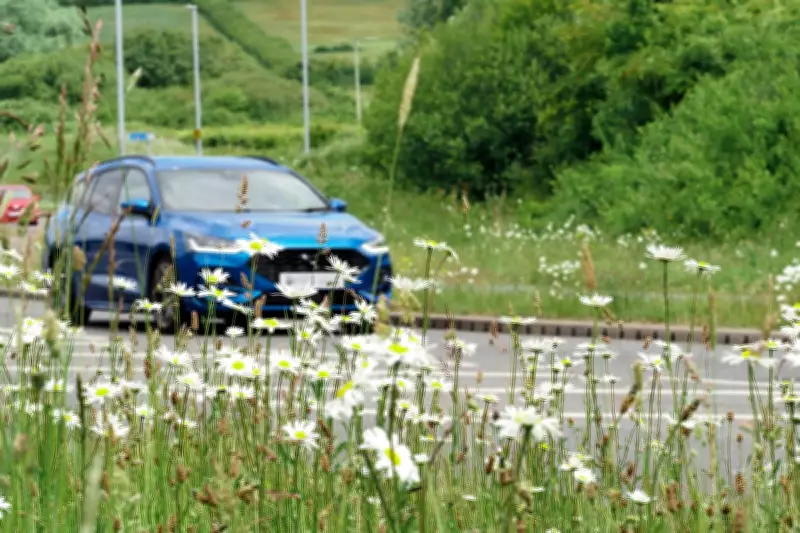
The "No Mow May" campaign, led by wildlife charity Plantlife, urges gardeners to leave their mowers in the shed for the entire month of May. This allows grasses and wildflowers to flourish, providing essential support for bees, pollinators, butterflies, small mammals, and other wildlife. A recent poll indicates that the movement is gaining momentum, with a third of last year's participants being first-timers.
Why Participate in No Mow May?
According to a survey of 2,001 adults conducted by Opinion Matters in March, two-thirds (66%) believe their garden can make a real difference for nature. The research also highlights a social aspect: six in ten people aged 25 to 34 said they would be more likely to join if their neighbours did. Nicola Hutchinson, chief executive at Plantlife, emphasises, "Your garden is one of the easiest ways to help nature, providing a lifeline for wildlife – yet social pressure keeps lawns short. No Mow May is the moment to act: to come together as communities, let grass and wildflowers grow, and turn that belief into real change."
Top Areas for No Mow May
Last year, Tunbridge Wells (TN postcode) topped the list for the most participants, followed by the Brighton region (BN postcodes). Plantlife warns that around 97% of wildflower meadows have been lost in less than a century, with once-common plants like ragged Robin and field scabious now near threatened in England.

How to Maximise Benefits for Wildlife
After No Mow May, Plantlife recommends less frequent mowing through the summer. The Royal Horticultural Society (RHS) notes that the UK has over 25 million gardens, making them a significant land resource. Even small grassy patches can benefit nature, communities, and climate if managed properly.
Tips for Gardeners
- Leave some areas unmown while mowing paths or recreation spots to create diverse microhabitats.
- Avoid herbicides, fertilisers, and moss killers, as they harm wild plants.
- Allow plants to set seed before mowing, and remove grass cuttings to prevent nutrient build-up.
For those without gardens, balconies, patios, or yards can be nurtured into havens for plants and pollinators. Local authorities and communities can also manage green spaces in churches, schools, parks, and roadsides to encourage wildflower growth.