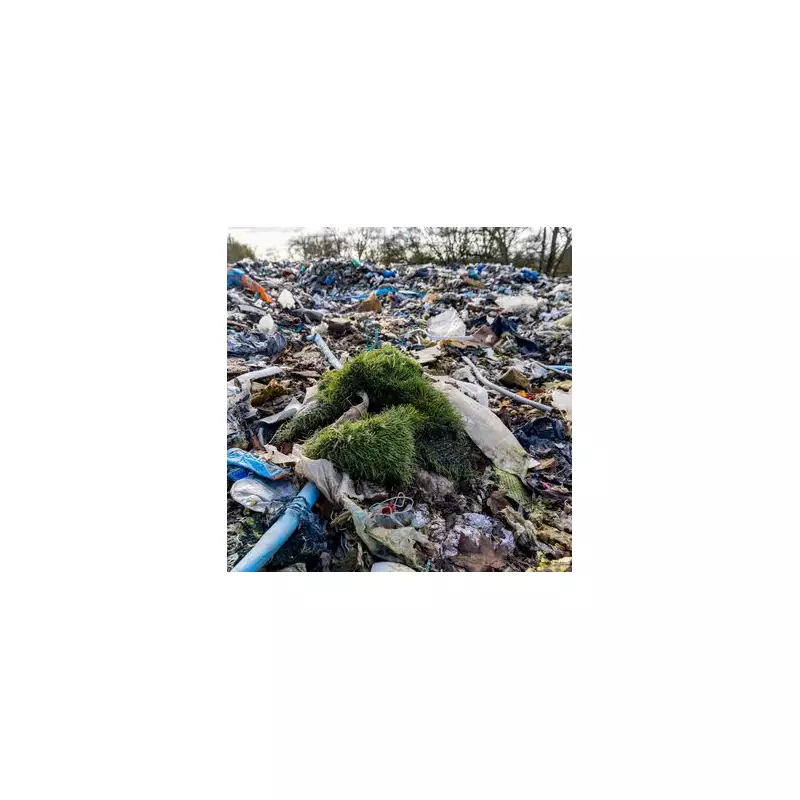
A colossal illegal waste dump containing an estimated 280,000 tonnes of rubbish has been exposed as the largest such site in England. The vast 50-acre location near Northwich in Cheshire has been filled with soil and debris from building developments, raising the ground level by a staggering two metres.
Environmental Impact and Flooding Concerns
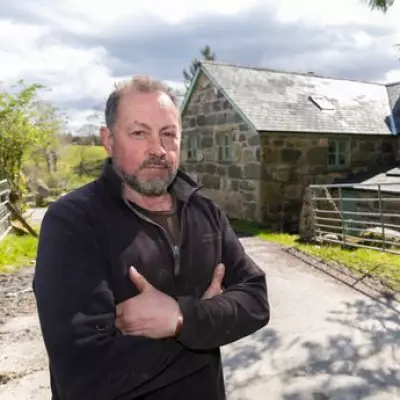
This enormous illegal dump has been directly linked to increased instances of flooding affecting nearby farmland and residential properties. The sheer volume of waste material has altered the landscape's natural drainage patterns, creating significant problems for local communities and agricultural operations.
Nationwide Scale of Illegal Waste Operations
The Cheshire site represents just one example of a much broader national problem. According to Environment Agency data, approximately 517 illegal waste dumps remained active across England at the end of last year, despite authorities shutting down more than 700 illegal tips during the 2024/25 period.

Among the most substantial sites yet to be cleared are:
- The 280,000-tonne site in Cheshire
- Two separate 50,000-tonne sites in Lancashire and Cornwall
- A 36,000-tonne tip in Kent
- A 20,000-tonne dump in Oxfordshire
Organised Crime Involvement
Police investigations have revealed that many of these illegal waste operations are run by organised crime gangs who undercut legitimate waste disposal businesses. These criminal enterprises charge significantly less than licensed operators while avoiding the substantial landfill tax, which currently stands at just over £126 per tonne.
Environmental campaigners and residents living near these sites express frustration that little progress has been made in cleaning up the dumps, even in cases where perpetrators have been identified and prosecuted. The scale of illegal waste activity has become so substantial that former Environment Agency chief Sir James Bevan once described it as the "new narcotics."
Operation Methods and Recent Enforcement
Criminal gangs typically establish operations in rural locations, often hidden away on what should be agricultural land. They bring shredding equipment to these sites, which then experience constant lorry traffic delivering waste ranging from household rubbish to construction materials.
Earlier this month, enforcement action resulted in nearly £100,000 in cash being seized and two men arrested during raids across Herefordshire, Shropshire and Worcestershire. Officers also confiscated six firearms, suspected counterfeit electrical goods and a potentially stolen vehicle during these operations.
Inspector Dave Wise of West Mercia Police commented: "Waste crime is not a problem that can be solved overnight. We're carrying out complex investigations into organised crime gangs with links to money laundering and other financial crimes, targeting individuals who are profiting from pollution of the environment."
Government Response and Environmental Concerns
Emma Viner, the Environment Agency's enforcement and investigations manager, stated: "We share the public's disgust for the things that are happening and for the waste crime that we're seeing, and we are taking action. Every year, we're shutting down hundreds of illegal waste sites. But it's a dynamic picture. For all the waste sites that we're closing, we're seeing more and more pop up around the country."
A spokesperson for the Department for Environment, Food & Rural Affairs (Defra) added: "We are working across government to wipe out illegal waste throughout the country and make those responsible pay. We are directly supporting the Environment Agency to stop the exploitation of our waste system, giving them more officers and 50% more funding to boost waste crime enforcement, and handing out tougher sentences for those who break the law."
The problem gained particular attention late last year when approximately 20,000 tonnes of waste was illegally dumped over several months in a field beside the A34 at Kidlington in Oxfordshire, highlighting the persistent nature of this environmental crime.