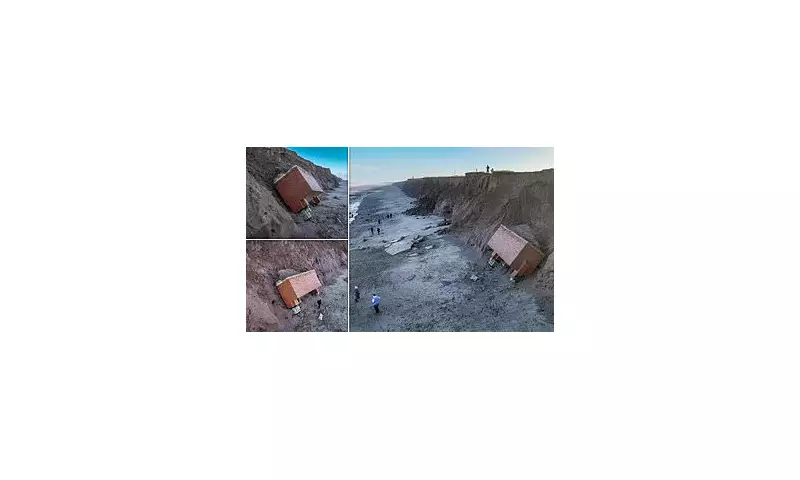
A relic from the Cold War era has finally succumbed to the relentless power of nature, as a nuclear bunker perched precariously on a crumbling cliff has collapsed into the sea. The brick-built structure, located near Tunstall in East Yorkshire, was believed to be nearly seventy years old and had been teetering on the brink for some time as the coastline beneath it steadily disappeared.
Historical Significance and Final Demise
Known as the Tunstall Royal Observer Corps Post, this underground facility was constructed in 1959 and served as a nuclear monitoring station during the height of Cold War tensions. Designed with two small chambers intended for short-term occupancy by volunteers, it was decommissioned in the early 1990s following the conflict's conclusion. For decades it stood as a silent sentinel, until coastal erosion ultimately claimed it.
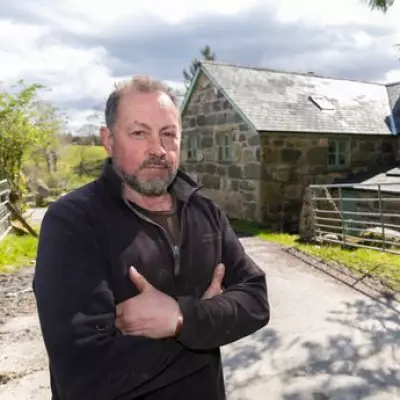
Amateur historian Davey Robinson, who had been documenting the bunker's final days through video recordings, believes the structure fell during the night as erosion finally took its devastating toll. "It was really shocking to see her just tumble down like that," Robinson remarked, noting that even though the collapse seemed inevitable, witnessing it was emotionally impactful. "The story of it just captured people's hearts," he added, explaining that videos on his YouTube channel with partner Tracy Charlton had attracted global attention as viewers followed the bunker's slow demise.

Rapid Coastal Erosion in the Region
The dramatic collapse occurs against a backdrop of serious warnings about coastal erosion in this part of Yorkshire. According to the Environment Agency, the area experiences some of the fastest eroding coastline in the entire United Kingdom. The Holderness coastline is receding at an average annual rate of approximately 6.5 feet, with around three miles of land believed to have been lost since Roman times—including an estimated twenty-three villages.
Robinson described the structure as a "symbol of erosion in this area," serving as a stark reminder of the broader environmental challenges facing coastal communities. Latest footage shows the bunker now resting at the foot of the cliff, where it appears surprisingly intact despite the dramatic fall from its precarious position.
Safety Warnings and Responsibility
East Riding of Yorkshire Council had previously issued urgent safety advice, urging people to avoid both the clifftop and beach areas near the bunker. The council emphasized that visitors and residents should "always maintain a safe distance to the base of eroding cliffs due to the risks associated" with sudden collapses and falling debris.
The council clarified that it holds no statutory responsibilities connected to the structure, which sits on privately owned land. Following its closure, the Ministry of Defence returned the land to its original owner, including any military infrastructure upon it. Management responsibility for the rural beach area falls to the Crown Estate, while the landowner maintains responsibility for the infrastructure itself.
This location lies within a designated shoreline management area where the official approach remains "no active intervention," meaning the coast is undefended and natural coastal processes are allowed to continue unchecked. The bunker's collapse serves as a powerful visual testament to the ongoing battle between human structures and natural forces along Britain's vulnerable coastlines.