A disturbing new climate study has uncovered that the world is trapped in a vicious cycle where extreme wildfires are dramatically increasing carbon emissions, which in turn fuels more climate change and creates conditions for even more devastating fires.
The Alarming Data Behind the Crisis
Scientists analysing global wildfire data have documented a terrifying trend: carbon emissions from wildfires have surged to unprecedented levels. The research reveals that these emissions are now creating a self-perpetuating cycle that could accelerate global warming beyond previous climate models.
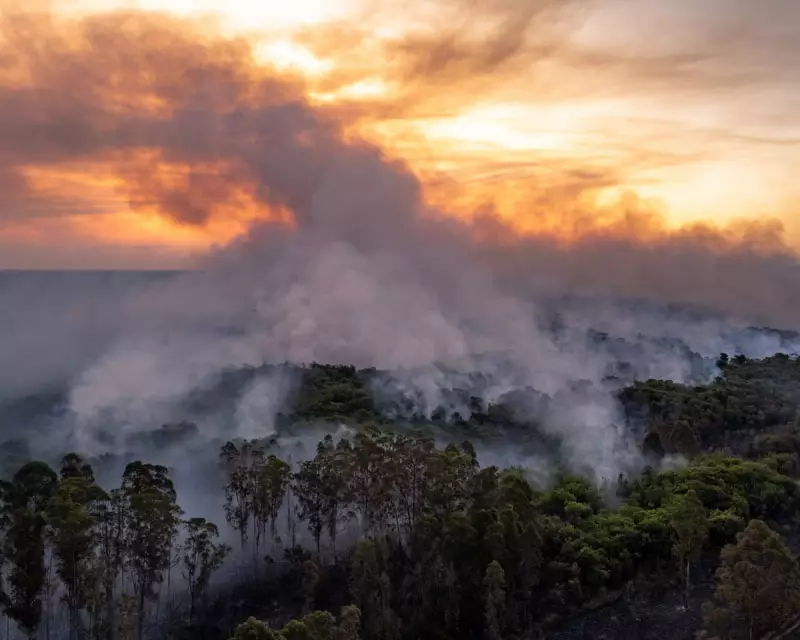
The scale of the problem has become increasingly evident through recent catastrophic fire seasons across multiple continents. From the raging infernos in Canada's boreal forests to the destructive blazes across Europe and Australia, the pattern is consistent and deeply concerning.

How the Feedback Loop Works
The mechanism behind this dangerous cycle is both simple and alarming. As climate change creates hotter, drier conditions, forests and vegetation become more susceptible to ignition. When these fires burn, they release massive amounts of stored carbon into the atmosphere.
This additional carbon contributes to further global warming, which then creates even more favourable conditions for wildfires. The result is what scientists call a 'positive feedback loop' - a self-reinforcing cycle that becomes increasingly difficult to break.
Key Findings from the Research
- Record-breaking emissions from wildfires in recent years
- Longer fire seasons across multiple global regions
- Increased frequency of extreme fire weather conditions
- Carbon sinks becoming sources as forests that once absorbed carbon now emit it
Global Implications and Urgent Calls for Action
The research underscores the urgent need for enhanced wildfire management strategies and more ambitious climate policies. Experts warn that without immediate action, this feedback loop could push some climate systems past tipping points from which recovery becomes increasingly difficult.
Climate scientists are calling for a dual approach: both reducing greenhouse gas emissions from human activities and developing more sophisticated wildfire prevention and management techniques. The study emphasizes that addressing one without the other will be insufficient to break this dangerous cycle.
As one researcher noted, "We're witnessing nature's emergency response to climate change, and it's telling us we need to act faster than we previously thought necessary."