Australian Weddings Generate Higher Carbon Emissions Than Households Annually
The carbon footprint of the average Australian wedding is greater than what a typical household produces in a year, according to environmental data. With emissions reaching about 21.5 tonnes per event, weddings significantly impact the environment through various elements like travel, food, and decorations.
Planning a Sustainable Wedding Framework
Dr Kate Luckins, author of Live More With Less, emphasises that sustainable weddings begin by prioritising meaningful aspects over consumerist trends. Establishing a clear guiding principle from the start helps inform every decision, from venue selection to menu planning, reducing unnecessary environmental costs.
Reducing Emissions Through Venue and Guest Management
Most wedding emissions stem from high guest counts and air travel. Limiting the guest list to close family and friends and choosing a central location can immediately lower the carbon footprint. Michelle Miles, founder of the Sustainable Wedding Alliance, advises hosting ceremonies and receptions in the same place to eliminate midday travel emissions. Providing shuttle buses from central hubs further reduces individual car usage, enhancing safety and social interaction.

Selecting venues that align with environmental values, such as those with kitchen gardens, renewable energy sources, or on-site accommodation, minimises waste and travel needs. For example, Flowerdale Estate in Strath Creek, Victoria, operates primarily on solar power and uses natural features like garden arbours to reduce decoration requirements. The venue implements recycling programs and feeds leftovers to rescued animals, sourcing items locally to cut down on single-use products.
Sustainable Menu and Decoration Strategies
Food choices play a crucial role in wedding sustainability. Miles recommends a seasonal, local, and plant-forward menu, with a 70/30 plant-to-meat ratio to lower carbon intensity. Sourcing from regenerative farmers supports systems that pull carbon from the atmosphere and restore soil health. To avoid over-catering, opt for sit-down meals or grazing plates over buffets, and plan for leftover distribution to guests.
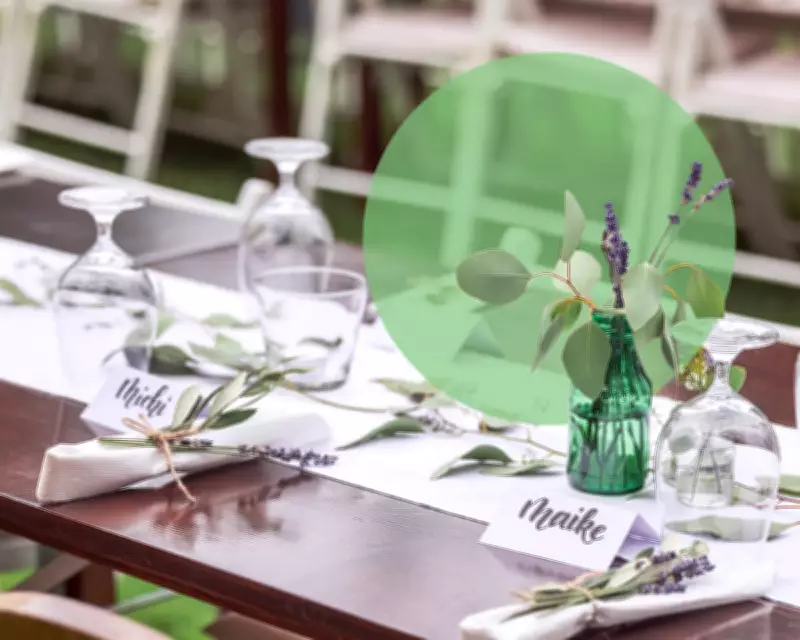
For beverages, choosing local organic wineries and craft breweries eliminates the carbon cost of shipping heavy bottles. Keg-to-tap options for wine and beer can further reduce single-use packaging. Decorations should prioritise hiring or second-hand items that guests can take home as favours, minimising waste. Avoid traditional plastics like balloons and synthetic favours, and instead work with florists who source seasonal, locally grown flowers. Donating leftover flowers to social services enhances sustainability efforts.
Eco-Friendly Fashion and Outfit Choices
The fashion industry's environmental impact is heightened by synthetic materials and single-use garments. For wedding parties, choosing natural materials like wool, cotton, and silk, and avoiding items worn only once, can reduce waste. Circular models such as rental and resale platforms, like The Volte and Glam Corner, offer accessible options for bridal and bridesmaid outfits. Letting go of matching dresses and stereotypical wedding party images can liberate planning, as suggested by Luckins, encouraging personal and sustainable choices.
By integrating these strategies, couples can celebrate their special day while significantly lowering their environmental impact, moving towards a more sustainable future.