
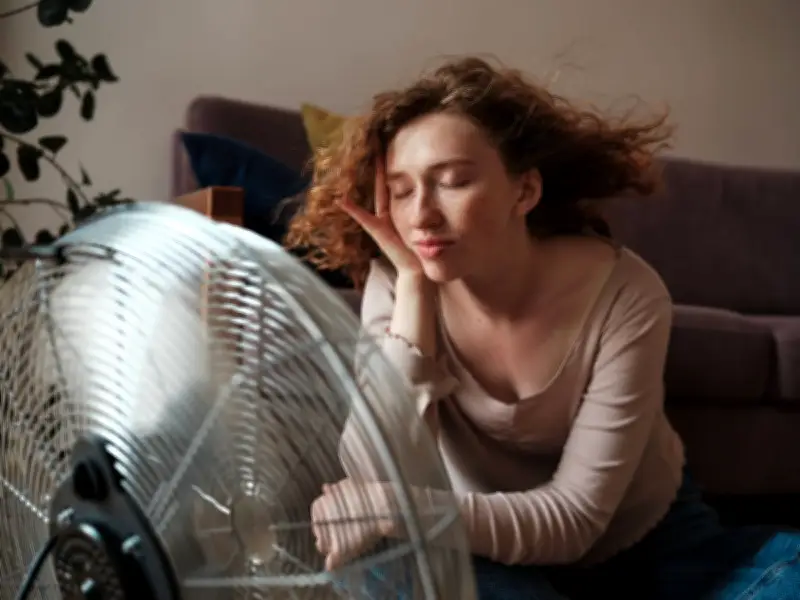
The UK Health Security Agency (UKHSA) has issued a safety alert warning of 'thunderstorm asthma' as a heatwave grips the country, with potential summer storms expected to whip up massive pollen clouds that could pose serious health risks.
UK residents sweltering through the latest bout of summer heat have been handed a checklist of tips to stay safe by health chiefs. The UKHSA has urged the public to take simple precautions at home and outdoors, warning that even moderate heat can pose a serious risk to health to anyone caught out unprepared.
What Is Thunderstorm Asthma?
The agency explained that 'thunderstorm asthma' occurs when strong winds during a storm whip pollen and fungal spores into the air, break them into tiny fragments in the clouds, and send them raining back down in a form small enough to be breathed deep into the lungs. Asthma sufferers and hay fever patients are said to be most at risk, a group that, combined, runs into many millions of people across the UK.
Officials say the body's main defence against overheating is sweating, aided by increased blood flow to the skin. But factors such as dehydration, tight clothing, certain medicines and a lack of breeze can all interfere with this natural cooling system, leaving people vulnerable to heat exhaustion or the more dangerous heatstroke.
Key Safety Tips for the Heatwave
The agency's advice includes keeping curtains and windows shut in rooms that catch the sun during the day, then throwing them open once the air outside turns cooler than indoors – typically overnight – to get a flow of air moving through the house. Households are also being told to steer clear of the sun during peak hours of 11am to 3pm, and to slap on high-factor sunscreen, wear a wide-brimmed hat and stick to the shade if venturing out during that window.
Other tips include avoiding strenuous exercise in the hottest part of the day, never leaving cars standing in the sun with people inside, and choosing loose, light-coloured cotton or linen clothing over dark, synthetic fabrics that trap heat. The UKHSA is also urging people to keep drinking water throughout the day rather than waiting until they feel thirsty, to consider rehydration drinks if sweating heavily, and to go easy on tea, coffee and alcohol, all of which can worsen dehydration.
Splashing or sponging the skin with cool water, or holding a cold pack wrapped in a cloth under the arms or against the neck, can also help bring body temperature down quickly, the agency says. Even switching off the telly, laptop and phone chargers when not in use can make a difference, as electronic devices generate extra heat inside the home.
Heat Health Alerts and Vulnerable Groups
The warnings come as the Met Office's three-month outlook points to a higher-than-normal chance of hot spells this summer, in keeping with Britain's long-term warming trend. Scientists expect UK heatwaves to grow more frequent, longer and more intense in the years ahead. Heat Health Alerts, colour-coded yellow, amber or red depending on the severity of impact expected, are issued jointly by the UKHSA and the Met Office to give an early warning of rising risk.
Officials stress that even a yellow alert – the lowest tier – can be linked to a real rise in heat-related deaths, particularly among older adults, babies, young children and those with existing health conditions. Members of the public are being encouraged to check in on relatives, friends and neighbours who may be more vulnerable in the heat – and to ask others to do the same for them if they fall into a higher-risk group themselves.
The UKHSA said people can sign up for alerts by email to stay ahead of rising temperatures, with the current Heat Health Alert status also published on its Data Dashboard.




