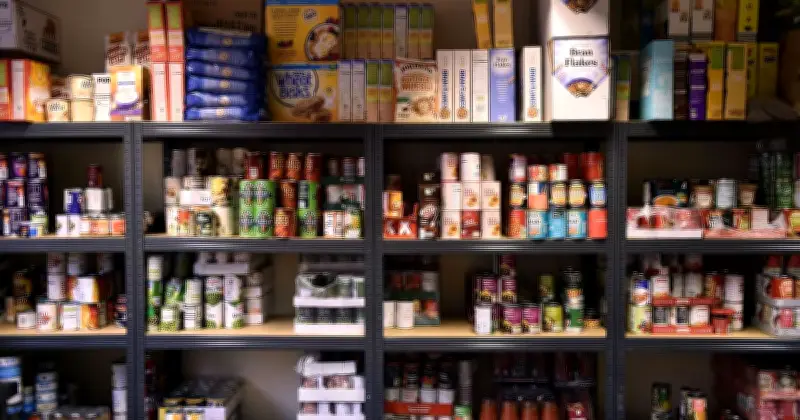
Ministers are preparing new emergency guidance that will urge households to keep essential supplies at home as part of plans to improve the UK's resilience against major disruptions, including a potential Russian cyber attack. The public information campaign, expected later this year, will advise families to stockpile food, drinking water, medicines, and basic survival tools to cope with possible interruptions to normal services.
Why Households Must Prepare
The guidance comes amid heightened tensions with Russia and concerns over cyber threats that could disrupt power, water, or supply chains. According to The Telegraph, one of the simplest ways to prepare is by creating a supply of long-lasting foods that can be relied upon during power cuts or shortages. The campaign aims to ensure households are self-sufficient for at least a few days in an emergency.
Essential Cupboard Staples
Shelf-stable foods, often described by supermarkets as ambient goods, form the backbone of any emergency food supply because they do not need refrigeration or freezing and can last through lengthy power cuts. Traditional pantry ingredients remain among the most practical items to have in reserve.
Pasta and Rice
Allow around 75g of pasta per person for each meal. A family of four eating pasta every other day over a week will need about 1kg, although households with larger appetites may wish to keep closer to 1.25kg. For rice, around 70g per person is suitable for risottos or as a side dish. A 1kg bag is enough for a family of four eating rice every other day during a week.
Bread Flour, Yeast and Baking Powder
Freshly baked bread can be a welcome morale booster as well as a practical staple. Each small loaf requires around 500g of flour and one 7g sachet of easy-blend yeast. If an oven is unavailable, the dough can be cooked on a hob as flatbreads using either yeast or a teaspoon of baking powder.
Crackers and Biscuits
Keeping at least one packet of crackers and one packet of biscuits per person for each week provides a quick source of carbohydrates and a useful accompaniment to hot drinks.
Protein-Rich Foods Worth Storing
Pulses such as beans, lentils and chickpeas are an excellent source of protein and can help keep people feeling fuller for longer. Dried pulses keep for years if stored correctly. Although older supplies may take longer to cook, they require much less storage space than tins. Around 100g of dried pulses expands to roughly 240g once cooked, approximately the same amount as a standard tin. Where cooking fuel, water or time is limited, canned pulses are often the more practical option. Allow around half a tin, or roughly 120g cooked weight, for each serving.
Tinned meat offers welcome variety in an emergency food supply. While products such as Spam and corned beef contain relatively high levels of salt, tinned minced beef provides another option. Marks & Spencer's version has previously been recommended by Delia Smith as a useful shortcut ingredient and can be used in spaghetti bolognese, cottage pie or traditional mince and potatoes. Allow around 90g per serving, increasing portions for stews and other meat dishes.
Tinned fish such as sardines, tuna and anchovies provide protein together with omega-3 fatty acids. They can be eaten straight from the tin with bread and butter or used in cooked meals, making them both practical and surprisingly versatile.
Fruit and Vegetables to Include
Allow around one-and-a-half 300g tins of vegetables per person each day. Carrots, peas and green beans still contribute towards daily fruit and vegetable intake. Adding olive oil or ghee during cooking can also improve flavour and increase calories. Pickled onions, cabbage and gherkins provide an alternative to canned vegetables and can be stored safely without refrigeration. Unlike chilled live ferments, traditional pickles are suitable for room-temperature storage.
Tinned fruit such as peaches, pears and pineapple remain nutritious options even when fresh produce is unavailable. Where possible, choose fruit packed in juice or water instead of syrup. Allow one 400g tin per person each day and consider keeping cartons or tins of custard alongside them. Tomato purée takes up very little storage space and can replace chopped tomatoes or passata. Two tablespoons mixed with around 90ml of water provides a useful substitute. Once opened, covering the surface with greaseproof paper before storing it in a fridge or cool place can help preserve it.
Dairy Products That Last Longest
Powdered skimmed milk stores well over long periods and provides a practical alternative to fresh milk. Long-life full-fat milk is also worth keeping where space allows. Tins of ghee can remain usable for a year or more, making them a useful replacement for butter.
Freezer Essentials
Keeping a freezer well stocked can help households cope with short-term power cuts or temporary supply problems. If there is spare freezer space, keep ice packs ready so they can be transferred to insulated cool bags to help chilled food stay cold if refrigeration stops working. Frozen vegetables such as peas, spinach and mixed Mediterranean vegetables provide colour and nutrition while taking up relatively little space. Frozen spinach is particularly versatile and works well in dishes such as shakshuka. Bottles of frozen water serve as emergency ice packs before becoming drinking water once thawed. Leave a small gap at the top of each bottle before freezing to allow for expansion and prevent the plastic from splitting.
Storing Fresh Foods Longer
Fresh produce is generally the first to be affected during supply disruption, meaning salad items such as lettuce may quickly become difficult to find. However, households with a cool room, cellar, shed or garage can store several fresh foods successfully for extended periods. Root vegetables like carrots, beetroot, celeriac and swede can remain in good condition for months if buried in damp sand or wood shavings. Leafy tops should be removed first, while containers should allow enough airflow by adding ventilation holes where necessary.
Onions and garlic can be stored in traditional plaited bundles to reduce the risk of bacteria entering through the tops. Hung in a cool, dark place, they can last for up to six months, although supplies should be used and rotated regularly. Home-grown apples can be wrapped individually in newspaper before being placed on racks or shallow trays in a cool, dark location. Inspect them regularly and remove any fruit showing signs of spoilage. Fermented foods such as kimchi and sauerkraut can keep for as long as a year in the fridge, with their flavour continuing to develop over time.