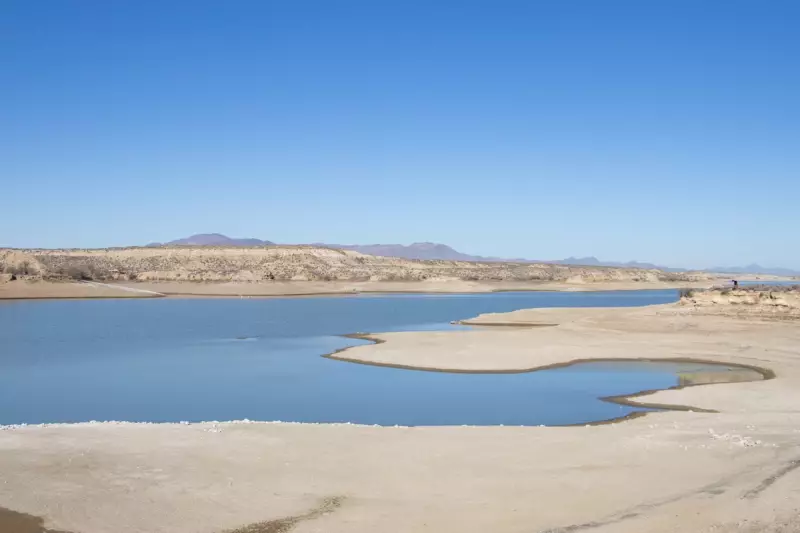
An alarming winter drought is gripping the United States, with more than two-thirds of the country facing unusual dryness or full-blown drought conditions during a season typically known for heavier precipitation. This widespread crisis, identified through a Washington Post analysis of recent U.S. Drought Monitor data, is raising significant concerns among scientists, local officials, and resource planners nationwide.
Geographic Spread and Immediate Impacts
The drought conditions touch every state except California, which is ironically experiencing a wet winter despite its usual susceptibility to dryness. States with the highest percentage of their area in severe drought include Georgia, Maine, North Carolina, Florida, New Mexico, and Virginia. The situation is particularly dire in Utah, where approximately 93 percent of the state is enduring moderate to extreme drought, accompanied by winter temperatures nearly 10 degrees above average.
Jon Meyer, Utah's assistant state climatologist, described the unprecedented conditions to The Washington Post, noting, "We had green grass and weeds growing in our city even into January, leading me to be more worried about mowing instead of shoveling snow. I've never seen anything like it." This anomaly highlights how the traditional winter landscape has been upended across many regions.

Threats to Water Resources and Winter Economies
The drought has triggered alarm bells, especially in the Mountain West, where communities depend heavily on snowfall for both winter tourism revenue and critical water supplies from spring snowmelt. Colorado is currently experiencing a snow drought, with snowpack levels at their lowest on record for this time of year following the warmest December on record in 2025.
Brad Udall, a water and climate research scientist at the Colorado Water Center at Colorado State University, told Colorado Public Radio, "It's as grim as it gets right now." The economic repercussions are severe for businesses reliant on winter conditions. Brad Riesenberg, who owns a backcountry snowmobiling business in Park City, Utah, told CNN that this mild winter has been one of his worst years for business in two decades, resulting in significant financial losses.
Underlying Causes and Long-Term Concerns
Researchers attribute the widespread drought to a combination of factors, including climate change, persistent La Niña conditions, and an ongoing marine heat wave in the northern Pacific Ocean. The lack of water is especially concerning in the Western U.S., where negotiations over the oversubscribed Colorado River remain deadlocked, exacerbating resource tensions.
A recently published 40-year study warns that the climate crisis will increase the frequency, severity, and geographic reach of droughts. Professor Francesca Pellicciotti from the Institute of Science and Technology Austria explained in a statement, "Each year since 1980, drought-stricken areas have spread by an additional fifty thousand square kilometers on average — that's roughly the area of Slovakia, or the U.S. states of Vermont and New Hampshire put together — causing enormous damage to ecosystems, agriculture, and energy production."
Broader Implications and Future Outlook
This winter drought poses immediate threats to local water supplies and elevates the risk of wildfires, creating a precarious situation as the country moves toward spring. The conditions underscore the urgent need for adaptive water management strategies and heightened preparedness in vulnerable regions. As scientists continue to monitor these developments, the crisis serves as a stark reminder of the escalating impacts of climate variability on both natural ecosystems and human economies across the United States.