
The Trump administration finalized a rule on Friday that repeals a key provision of the Endangered Species Act (ESA), removing habitat protections for imperiled wildlife and opening their critical habitats to logging, mining, and other development. The change redefines the term 'harm' to exclude habitat modification, overturning a 1995 Supreme Court ruling that upheld habitat protections for the northern spotted owl.
Habitat Destruction and Species Loss
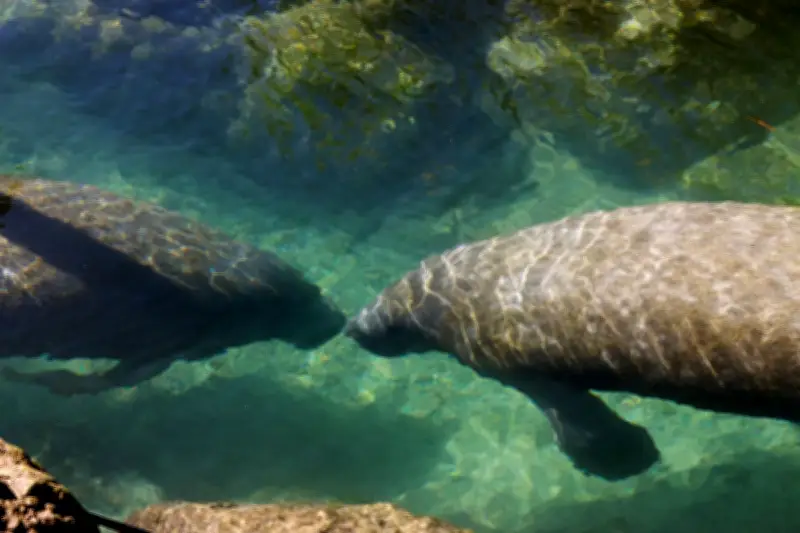
Habitat destruction is the leading cause of species extinction worldwide. The ESA has prevented 99% of listed species from going extinct, including the bald eagle, by safeguarding over 1,700 species and their habitats. Experts warn that the new rule could cause catastrophic damage to species already near the brink, such as wolverines, monarch butterflies, and Florida manatees.
Stephanie Kurose, deputy director of government affairs at the Center for Biological Diversity, called the proposal 'a death sentence' for many species when it was first released last year. Earthjustice attorney Kristen Boyles stated, 'For the first time ever, a presidential administration now claims that species protected by the Endangered Species Act shouldn’t be safe from habitat modification that destroys where they live, raise their young, or search for food.'
Deregulatory Push and Public Opposition
The rule change is part of a broader effort by President Donald Trump to dismantle environmental protections to boost energy extraction and industrial access. In March, Trump convened the 'God squad' to expand oil and gas operations in the Gulf of Mexico. Officials claim the change aligns with the original intent of the law, accusing federal agencies of using the ESA to 'obstruct lawful land use and burden American families and businesses,' according to Interior Secretary Doug Burgum.
Despite hundreds of thousands of public comments opposing the change and a 2023 poll showing 80% of registered voters support full ESA funding, the Departments of the Interior and Commerce finalized the rule, citing 'regulatory intrusion' on private property rights.
Extinction Crisis and Ecosystem Threats
The erosion of regulations comes amid a global extinction emergency. Roughly 1 million species are threatened with extinction, including 40% of amphibians and a third of reef-forming corals, marine mammals, and sharks, according to a 2019 IPBES assessment. Insects, which form the bedrock of biodiversity, are in rapid decline, with 80% of species yet to be identified.
Habitat loss can trigger a domino effect, threatening interconnected species and ecosystems. Advocates are preparing to challenge the rule in court. 'There is no support for the Trump Administration’s rule – no scientific support, no legal support, no public support,' Boyles said. 'We will see the Trump Administration in court.'




