Trump Administration Invokes National Security to End Protections for Critically Endangered Rice's Whale
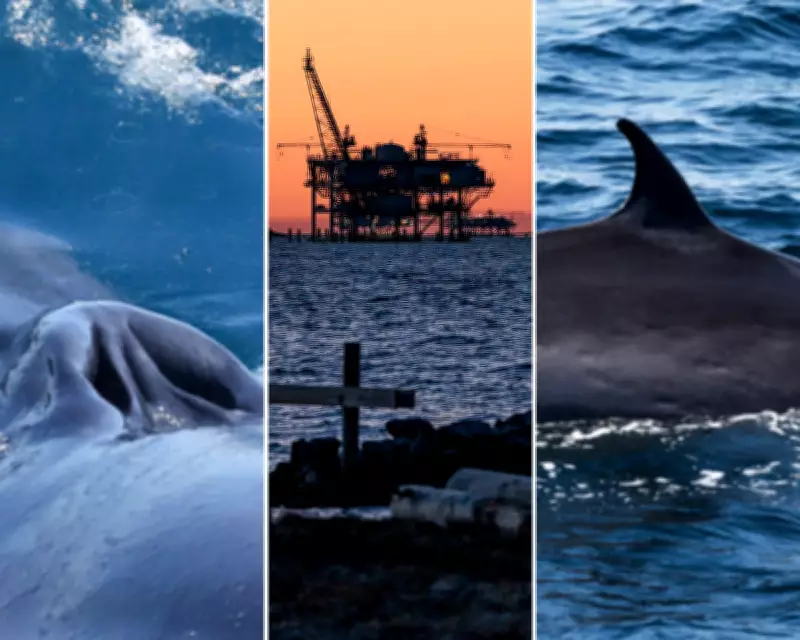
For millennia, long before modern humans walked the Earth, Rice's whales have thrived in the depths of the ocean, growing to the size of a bus and weighing as much as six elephants as they feasted on fat-rich fish. Today, these majestic baleen whales face an existential threat, with only about 50 individuals remaining, confined to a small patch of the Gulf of Mexico that has become a hotspot for fossil fuel drilling. In a controversial move, the Trump administration has made the extraordinary decision to scrap all protections for the Rice's whale, potentially leading to the first extinction of a whale species in North American waters in over three centuries.
Unprecedented Decision by the 'God Squad'
Last week, in a closed-door meeting at the Department of Interior that lasted barely 15 minutes, six Trump administration officials agreed to exempt the oil and gas industry from complying with endangered species laws in the Gulf of Mexico. This panel, known as the Endangered Species Committee or "God Squad" for its power to decide the fate of species, was convened for the first time since 1992. Secretary of Defense Pete Hegseth invoked "national security" as the rationale, marking the first such use of this justification since the Endangered Species Act was passed in 1973.
"When development in the gulf is chilled, we are prevented from producing the energy we need as a country," Hegseth stated at the meeting. "Recent hostile action by the Iranian terror regime highlights yet again why robust domestic oil production is a national security imperative." Interior Secretary Doug Burgum echoed this sentiment, asserting that "energy streams in the Gulf of America must not be disrupted or held hostage by ongoing litigation."

Threats to the Rice's Whale
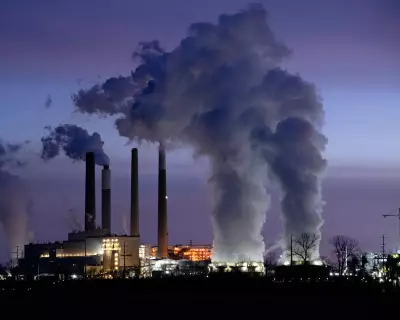
The Rice's whale, listed as endangered in the U.S. and critically endangered internationally, is the only whale species that spends almost all its time in U.S. waters. All major threats to its survival stem from the oil and gas industry, including deadly vessel strikes from busy ship traffic, noise pollution from seismic surveys and drilling that interferes with communication, and the catastrophic 2010 Deepwater Horizon oil spill, which killed about a fifth of the known population. With protections removed, safeguards such as slowing boats in whale habitat and monitoring during drilling operations will no longer be required.
Environmental law expert Pat Parenteau from Vermont Law School expressed shock at the decision: "'Unprecedented' is too mild a term for it – it's beyond belief. Donald Trump likes being first, and if this is upheld, he will be the first president to make the conscious decision to make a whale extinct. It will happen before our very eyes. What a black mark on our legacy that would be."
Industry Response and Legal Challenges
Despite not requesting the exemption, the oil and gas industry has welcomed the move. Andrea Woods, spokesperson for the American Petroleum Institute, which includes BP among its members, claimed, "Our industry has a long track record of protecting wildlife while developing offshore energy responsibly." She added, "Over the long term, American energy leadership depends on getting that balance right through reasonable, science-based protections while meeting growing energy demand."
However, a coalition of environmental groups has filed lawsuits to reverse the ruling, arguing it is illegal. Parenteau warned, "You can't just wave a national security wand with no process and decide to make something extinct. I don't think the courts will buy it. If somehow they do buy it, we may see national security used to justify anything, from timber sales to new datacenters for AI to more drilling." He criticized the administration as "fossil addicts" for prioritizing fossil fuels over conservation.

The Precarious State of the Rice's Whale
Named after late cetacean researcher Dale Rice, the Rice's whale was only recognized as a separate species in 2021, distinct from the Bryde's whale due to genetic and skull shape differences. Biologist Jeremy Kiszka from Florida International University described it as a "bougie eater," preferring fatty fish found at depths of several hundred meters. "There's a lot of elements that make this species really vulnerable," Kiszka said. "It is a species living on the edge. The more we're going to drill, the more we are going to industrialize the gulf, the more likely we are to lose a species that is solely or primarily found in U.S. waters. We can still save these animals, but the situation is dire."
While global whale populations have rebounded since the end of commercial whaling in the 1980s, many cetaceans remain threatened by climate change, pollution, and human activities. The Rice's whale is among the most at-risk, with Kiszka noting, "They can't go anywhere, they don't have anywhere else. You never know what you lose until they're lost. I don't want to think that these animals are going to be gone anytime soon, really. Because if you do that, you're already grieving."
Political Context and Future Implications
President Trump has previously blamed offshore wind turbines for whale deaths, despite scientific evidence pointing to other factors. Similarly, Health Secretary Robert F. Kennedy Jr. has claimed wind turbines harm whales, though he once advocated for whale conservation as an environmental lawyer. The National Marine Fisheries Service declined to comment on whether wind turbines are a greater threat than oil drilling, instead noting the committee's vote in favor of the national security exemption.
If the decision withstands legal challenges and the Rice's whale goes extinct, it would represent a conscious choice by the government to eradicate an entire species. Dan Snyder, director of the Environmental Enforcement Project, lamented, "And for what benefit? our children will ask. So that large oil and gas tanker ships can travel just a little bit faster." This move underscores the ongoing tension between energy production and conservation, with potentially devastating consequences for biodiversity in the Gulf of Mexico.