
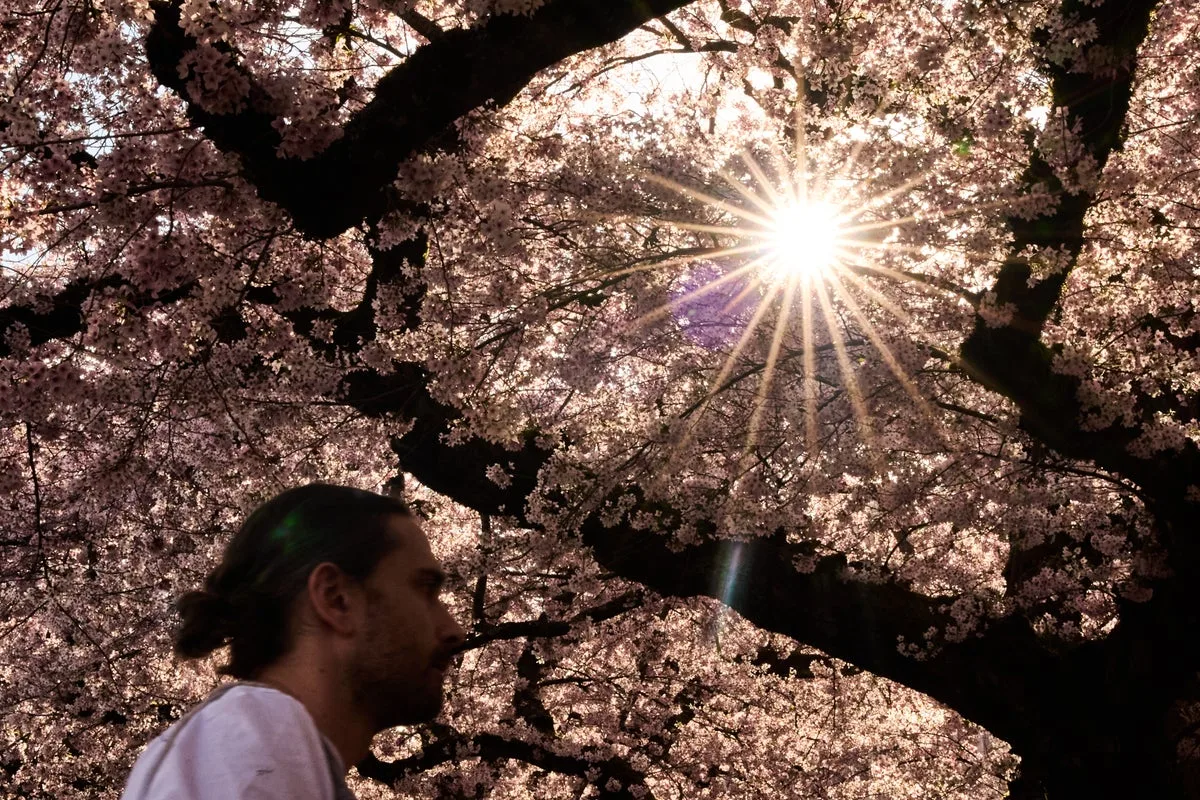
Trees are offsetting nearly half of the urban heating caused by pavement and buildings in cities worldwide, but their cooling effect is weakest in hotter, poorer cities that need it most, according to a new study published in Nature Communications.
On average, tree cover cools cities by 0.27°F (0.15°C) through shade and water vapour release. Without trees, urban areas would warm by an additional 0.56°F (0.31°C) due to the urban heat island effect, where dark surfaces absorb heat. The study analysed nearly 9,000 large cities, using temperature measurements from segments of about 150 city blocks each to isolate local cooling effects.
About 185 million people in 31 larger cities experience at least 0.5°F (0.3°C) of cooling from trees. However, study lead author Rob McDonald of the Nature Conservancy noted that poorer, hotter urban centres receive less relief. In 20 cities with over 3 million people, residents feel less than 0.1°F (0.05°C) of cooling. Four cities—Dakar, Senegal; Jeddah, Saudi Arabia; Kuwait City; and Amman, Jordan—have such minimal tree cover that over 15 million people get virtually no cooling.
Wealth disparities are stark: nearly 40% of cities in rich nations enjoy at least 0.45°F (0.25°C) of tree cooling, compared to under 9% in the poorest countries. The most cooling occurs in cities like Berlin, Atlanta, Moscow, Washington, Seattle, and Sydney, which have extensive tree cover. Atlanta, for example, has 64% tree canopy. Chris Greene of Dalhousie University attributed this to larger lot sizes, individual ownership, and political influence in wealthier areas.
McDonald emphasised that while cities can increase tree cover, limitations in water, land, and suitable species mean trees can reduce future urban heating by at most 20%. “Trees won’t save us from climate change,” he said. Ecologist Thomas Crowther of King Abdullah University of Science and Technology noted that even small cooling helps, but called for addressing inequities in urban tree distribution to benefit vulnerable communities.




