
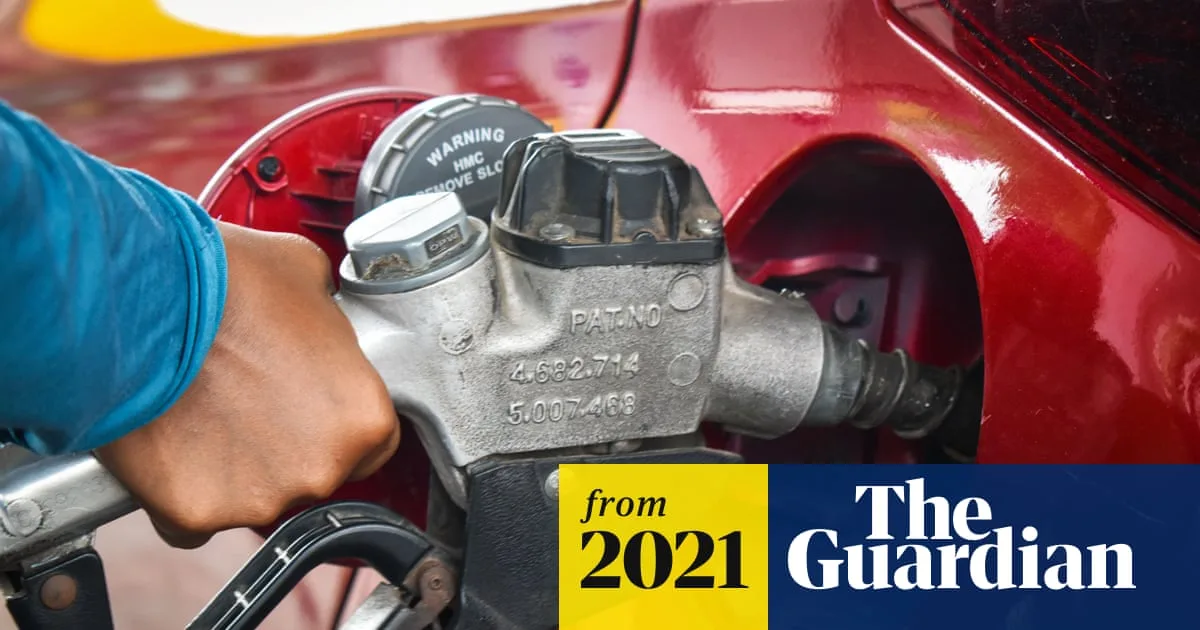
Men’s spending on goods causes 16% more climate-heating emissions than women’s, despite similar expenditure levels, a Swedish study has found. The research, published in the Journal for Industrial Ecology, analysed single men and women and identified the biggest difference as men’s spending on petrol and diesel for cars.
Food and holidays accounted for more than half of all emissions for both genders. The scientists found that switching to plant-based diets and train-based holidays could cut personal emissions by 40%. Lead researcher Annika Carlsson Kanyama of Ecoloop said: “We think it’s important to take the difference between men and women into account in policy making.”
The study noted that spending patterns were stereotypical: women spent more on home decoration, health and clothes, while men spent more on car fuel, eating out, alcohol and tobacco. Previous research showed that in one-car families, men used the car more often for work, while women relied more on public transport.
Holidays contributed about a third of emissions for both men and women, which Carlsson Kanyama said was “a lot more than I expected”. The study excluded fuel for work vehicles. The researchers emphasised that dietary and holiday changes do not require extra spending, making them accessible.
Earlier studies from 2010 and 2012 indicated men spent more on energy and ate more meat, both high-emission activities. Carlsson Kanyama expressed surprise that more research on gender differences in environmental impact had not been conducted. The EU’s green deal has faced criticism for failing to address the intersection of gender and environment.
Austria’s climate minister Leonore Gewessler stated: “The climate crisis affects men and women quite differently. It is crucial to take gender differences into account.” The European Environmental Bureau released a report arguing that the European Green Deal policies are “gender-blind” and risk widening inequalities.




