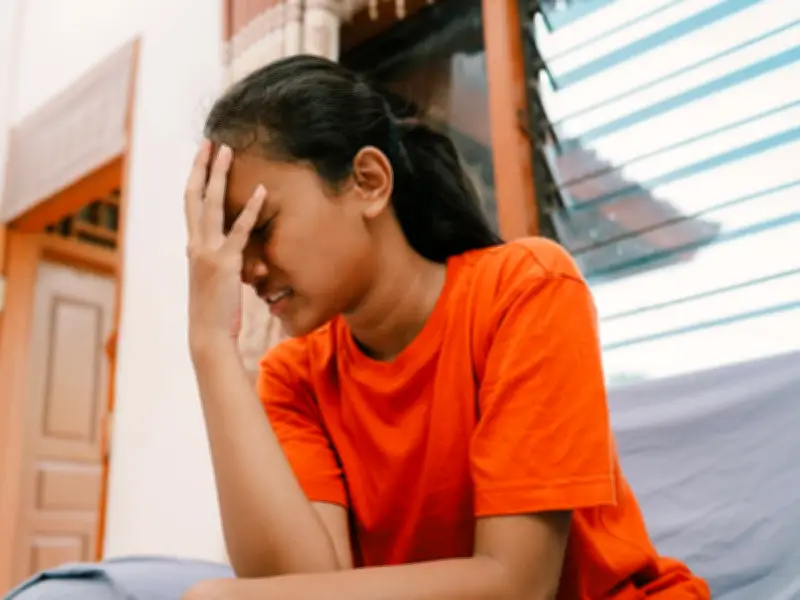
A carbon monoxide (CO) safeguarding specialist has warned people across the UK to protect themselves from the dangers of the 'silent killer', whose symptoms can resemble a hangover, cold or flu. Suzanne Callington, a safeguarding specialist at Cadent, the UK’s largest gas distribution network, issued the alert after data revealed nearly 27,000 CO incidents occurred last summer.
Summer Risks Often Overlooked
While carbon monoxide poisoning is commonly associated with winter heating, Callington stressed that summer also poses significant risks. Of the 27,000 incidents last year, many were caused by BBQs, pizza ovens and camping equipment that emitted CO when stored incorrectly. This includes bringing used BBQs indoors after use, or using portable gas stoves inside a zipped tent.
Symptoms and Dangers
Suzanne Callington explained: “Every day, our engineers are called out to respond to a CO incident and while the majority of the time we have arrived in time, on some occasions it is sadly too late. Carbon monoxide is called the silent killer because it cannot be seen, heard, smelt, touched or tasted. Without having a CO detector, like an alarm, it can be almost impossible to detect, unless you are aware of the symptoms.”
The symptoms of carbon monoxide poisoning include headaches, nausea, dizziness, breathlessness, collapsing and loss of consciousness. These can easily be mistaken for other common ailments, making detection even more difficult.
Holiday Let Warning
CO dangers are not limited to homes. Holiday lets, both in the UK and abroad, do not always require a CO alarm. Callington recommends checking what safety equipment is provided before arriving, and if in doubt, bringing a portable CO detector in your luggage.
Prevention and Action
Callington emphasised that every property should have a CO alarm in every room where there is a fuel-burning appliance, such as a fireplace or boiler. She added: “If using a BBQ, do not bring it indoors, even if it is cold to the touch.”
For those in vulnerable situations, Cadent runs programmes to provide access to CO detectors. If you suspect CO poisoning, leave the property immediately and seek urgent medical attention. The National Gas Emergency number is 0800 111 999, a free call.
The data was collected by the Carbon Monoxide Research & Analytics (CORA) platform, which gathers information from gas distribution networks and Fire and Rescue Services.