Storm Goretti Ravages Cornwall: St Michael's Mount Loses 80% of Trees
Storm Goretti destroys 80% of trees on St Michael's Mount

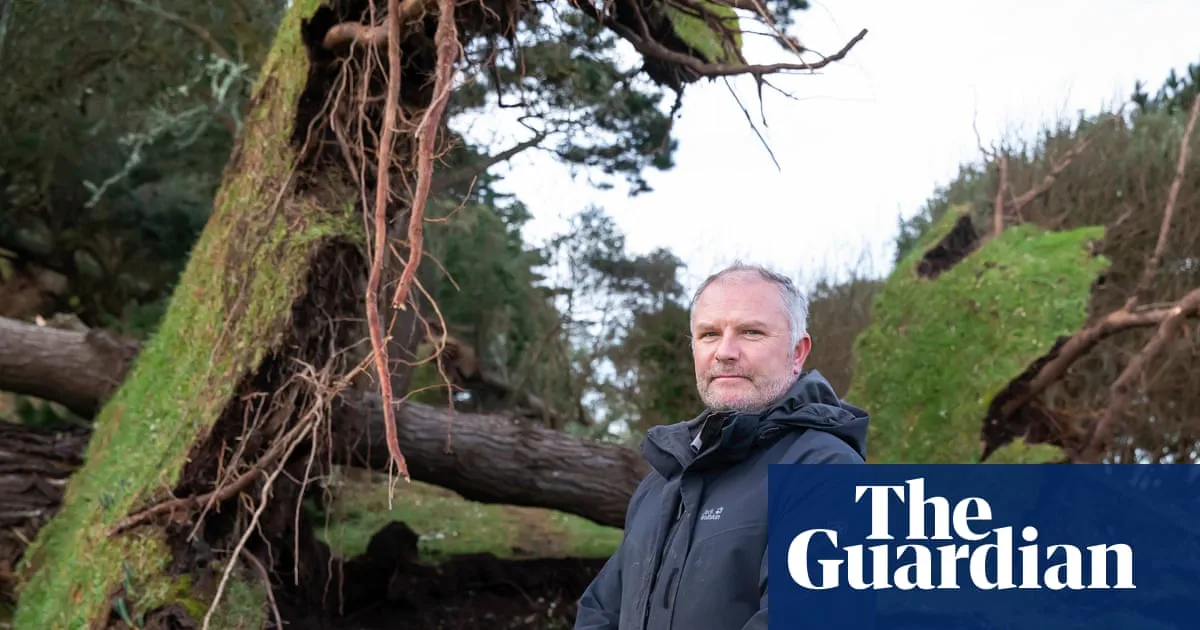
The tidal island of St Michael's Mount, a serene landmark off Cornwall's coast, has been transformed into a scene of stark devastation following the ferocious passage of Storm Goretti. Approximately 80% of the island's tree cover has been obliterated, with head gardener Darren Little describing the loss of decades of horticultural work in a matter of hours.

A Landscape Transformed Overnight

As dawn broke on the morning of January 9th, the full scale of the destruction became horrifyingly clear. 119 mature trees were felled by winds that peaked at a staggering 111.8mph, recorded by the island's own weather station. The casualties included towering holm oaks, hollies, sycamores, and Monterey pines that stood as tall as four-storey buildings.

Darren Little, who has lived and worked on the island for 25 years, said the familiar silhouette of the Mount had been fundamentally altered. "We're used to one or two trees falling in storms but nothing like this," he confessed, surveying the wreckage. The storm's unusual north-westerly direction and exceptional strength proved catastrophic for the island's arboreal population.

Shallow Roots and Salt Spray: A Perfect Storm

The island's unique geology exacerbated the damage. Trees on St Michael's Mount are rooted in shallow soil over granite, making them particularly vulnerable to being uprooted by extreme winds. Among the significant losses was a holm oak planted in 1984 to mark the birth of Prince Harry, which was torn from the ground.

A further concern is the long-term impact of salt water spray that saturated the island during the storm's peak. This may have compromised other trees that remain standing, leading to further losses in the coming months as they weaken or become unsafe.

Widespread Devastation Across West Cornwall

The destruction was not confined to the iconic island. Across the St Aubyn Estates' 5,000 acres of land, which includes the Mount, an estimated 500 large trees have been lost. Henry Mathews of the estate spoke of a "feeling of great sadness" at the immense loss of trees and habitats.

On the mainland, beloved local spots were ravaged. The Bog Plantation near Penzance, a pine belt known as a haven for wildlife, was razed. Last January, birdwatchers had flocked there to see a rare booted eagle. Friendship Woods, an important roost for starlings and rooks, also suffered significant damage, with fallen trees altering well-known vistas.

Ian Marsh, the National Trust's assistant director for the south-west, warned that the total number of trees lost on its properties could reach tens of thousands, representing a severe blow to both landscape and local ecology.

Looking Ahead: Replanting and Resilience

Despite the profound loss, there is a determined resolve to recover. Darren Little acknowledged that the climate crisis is leading to stronger storms, and this must inform future planting. "We'll have to bear that in mind when we rethink and redevelop," he stated.

This sentiment is echoed across the community. At Tremenheere Sculpture Gardens, which lost magnificent trees including a walk of mature beeches, staff are looking forward. Polly Bolitho remarked, "Even in this moment of loss, this garden always evolves... From storm to story, we look ahead to the next chapter."

The people of Cornwall now face a monumental task of clearing, replanting, and restoring their cherished landscapes, forever marked by the night Storm Goretti rewrote their history.




