Ocean Acidification Weakens Sharks' Teeth, Study Warns
Shark Teeth Weakened by Ocean Acidification

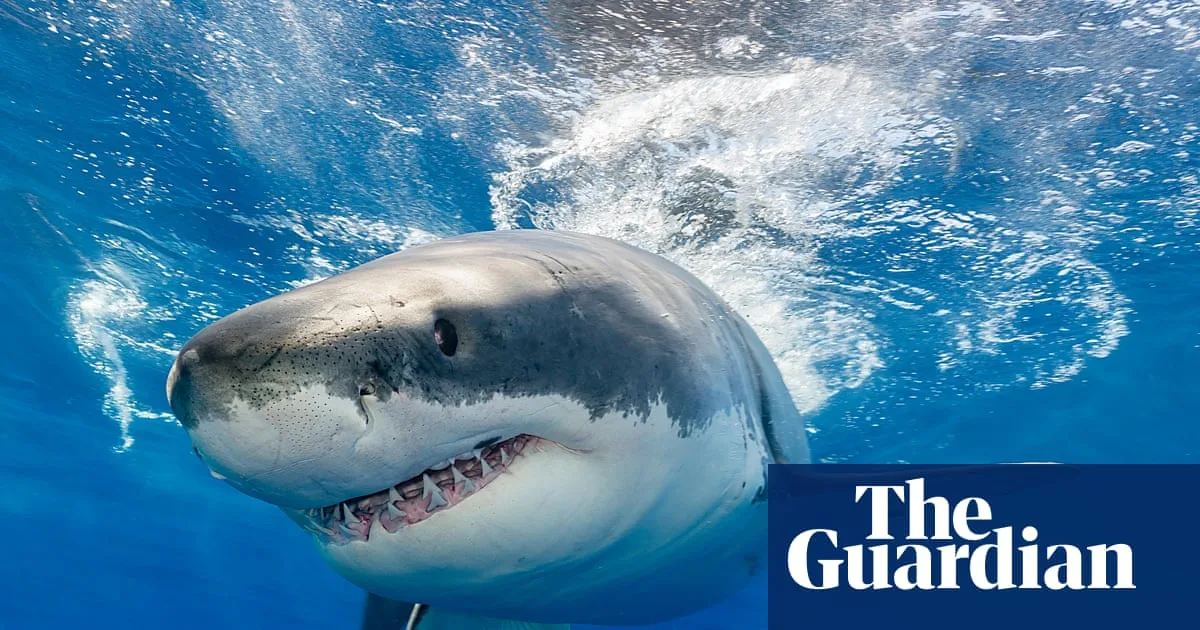
The iconic, razor-sharp teeth of sharks, essential for their survival as the ocean's top predators, are facing a new and insidious threat from human-induced changes to seawater chemistry. A groundbreaking study from German scientists has established a direct link between fossil fuel consumption, ocean acidification, and the structural weakening of these vital biological weapons.

The Corrosive Effect of a Changing Ocean

Published in the journal Frontiers in Marine Science, the research led by marine biologist Maximilian Baum of Heinrich Heine University Düsseldorf sounds a stark warning. The study concludes that as oceans absorb more carbon dioxide from the atmosphere—primarily from burning coal, oil, and gas—the resulting increase in acidity is corroding shark teeth, making them weaker and more prone to breakage.

"We found there is a corrosion effect on sharks' teeth," stated Baum. "Their whole ecological success in the ocean as the rulers of other populations could be in danger." The National Oceanic and Atmospheric Administration (NOAA) explains that acidification occurs as the seas absorb excess CO2. The German team's projections indicate the ocean could become nearly ten times more acidic by the year 2300 compared to current levels.

Experimental Evidence from Aquarium Teeth

To test their hypothesis, the researchers collected over 600 discarded teeth from blacktip reef sharks housed in an aquarium. This species, native to the Pacific and Indian Oceans, was used as a model. The scientists then exposed the teeth to water with two different pH levels: one matching today's ocean acidity and another simulating the projected conditions for 2300.

The results were clear and concerning. Teeth subjected to the more acidic water showed significant damage, including cracks, holes, root corrosion, and overall structural degradation. "The results show that ocean acidification will have significant effects on the morphological properties of teeth," the study authors wrote.

Baum emphasised that shark teeth are "highly developed weapons built for cutting flesh, not resisting ocean acid." Given that sharks rely on thousands of teeth throughout their lifetime to hunt and help regulate marine ecosystems, any compromise to their integrity is a serious concern.

A New Threat for an Ancient Survivor

This emerging hazard compounds the existing pressures on shark populations. More than a third of shark species are already threatened with extinction, according to the International Union for Conservation of Nature, due to overfishing, pollution, and climate change.

However, some scientists urge perspective. Nick Whitney, a senior scientist at the New England Aquarium's Anderson Cabot Center for Ocean Life who was not involved in the study, noted that shark teeth develop inside protective mouth tissue, which may temporarily shield them from chemical changes. He also pointed to sharks' remarkable 400-million-year history of adaptation.

Gavin Naylor, director of the Florida Program for Shark Research, concurred that while acidification is a legitimate future concern, overfishing remains the most immediate and critical threat to sharks today. He and others also highlighted that acidification poses a broader danger to marine life, particularly shellfish struggling to build shells and fish with potentially weakened scales.

Despite these nuances, lead author Maximilian Baum insists the risk cannot be ignored. For sharks already on the brink, ocean acidification could be the factor that tips them towards extinction. "The evolutionary success of sharks," Baum concluded, "is dependent on their perfectly developed teeth."




