
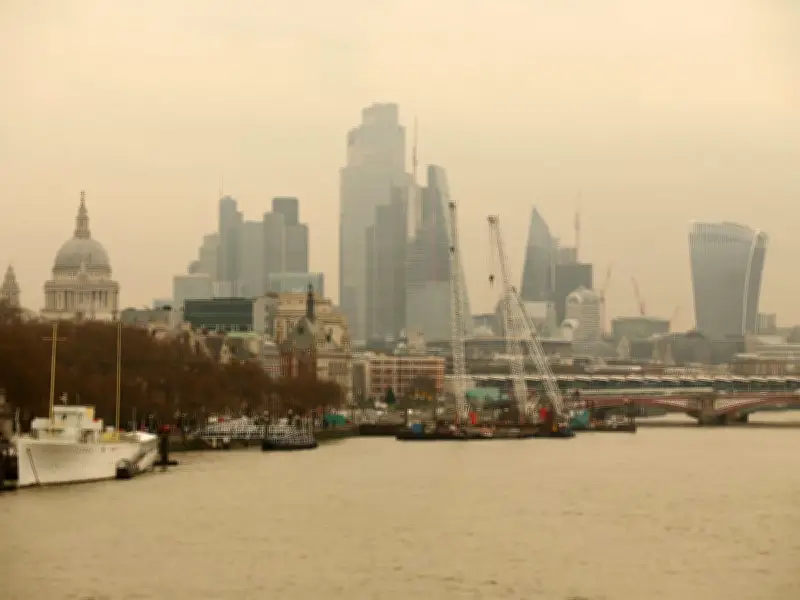
Saharan dust storms are increasingly battering Britain, with scientists reporting a surge of at least 50% in the amount of debris reaching the UK between 2012 and 2021. The gritty clouds, carried thousands of miles from North Africa, are worsening air pollution, triggering breathing problems in asthma sufferers, and causing flight chaos. While the phenomenon creates dramatic crimson sunsets and coats cars in red-brown dust, experts warn that the tiny airborne particles pose serious health risks and hinder efforts to meet air quality targets.
Health Impacts and Mortality Risks
Lead researcher Kaspar Daellenbach from the Paul Scherrer Institute in Switzerland highlighted the scale of the problem: “It doesn’t sound like much, right? On the other hand, this is affecting large populations, so many people are affected.” During major dust events in southern Europe, the study found that the particles were linked to 0.67% of daily deaths and 0.73% of hospital admissions for lung problems among people aged over 15. The researchers warned that “dust pollution will increasingly threaten public health and hinder efforts to meet WHO and European Union air quality targets.”
Climate Change Driving the Increase
Scientists believe that climate change is drying out parts of North Africa, allowing the Sahara to expand and making it easier for stronger southerly winds to sweep vast amounts of dust across Europe. The study, published in the journal Nature, examined dust levels at 103 sites across Europe between 2012 and 2021 and also analysed 270 years of evidence locked away in Alpine ice cores. While the Sahara has always blown dust across Europe, where it can fertilise oceans and ecosystems, the amount now reaching northern Europe is increasing.
Mitigation and Long-Term Solutions
Experts advise that people can reduce their exposure by checking air quality forecasts and staying indoors during the worst dust episodes. However, they added that the long-term answer lies in tackling climate change. The findings underscore the growing impact of desert dust on public health and infrastructure, with implications for air quality management and climate policy.




