Rural Britain's Response to Escalating Extreme Weather Events
Across the United Kingdom, rural communities are actively adapting to the growing frequency and severity of extreme weather conditions. From the rolling hills of Yorkshire to the coastal villages of Cornwall, residents are implementing practical measures to mitigate the impacts of floods, storms, heatwaves, and droughts. This shift reflects a broader recognition of climate change's tangible effects on daily life in the countryside.
Innovative Adaptation Strategies in Action
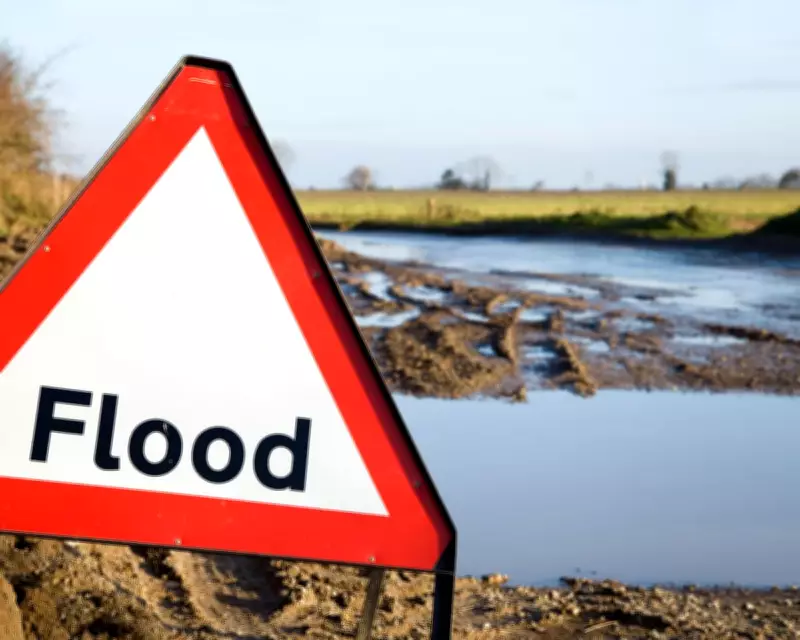
Farmers, small business owners, and local councils are collaborating to develop resilience plans. For instance, in flood-prone areas, communities are installing sustainable drainage systems and elevating critical infrastructure. In regions facing water scarcity, rainwater harvesting and efficient irrigation techniques are becoming commonplace. These efforts are often grassroots-led, with residents sharing knowledge and resources to build collective strength against environmental threats.
The Role of Technology and Community Networks
Technology plays a pivotal role in this adaptation process. Weather monitoring apps, early warning systems, and social media groups enable real-time communication during emergencies. Additionally, community networks foster support mechanisms, such as volunteer flood wardens and heatwave assistance programs for vulnerable populations. This interconnected approach helps rural areas respond swiftly and effectively to unpredictable weather patterns.

Challenges and Future Outlook
Despite progress, challenges remain, including limited funding, aging infrastructure, and the need for more robust policy support. Experts emphasize that long-term sustainability requires integrating climate adaptation into rural development plans. As extreme weather events continue to test Britain's countryside, the resilience and innovation of its communities will be crucial in shaping a more secure future.