Ultra-Marathon Runner Dies on Cape Wrath Trail, Sparking Safety Warnings
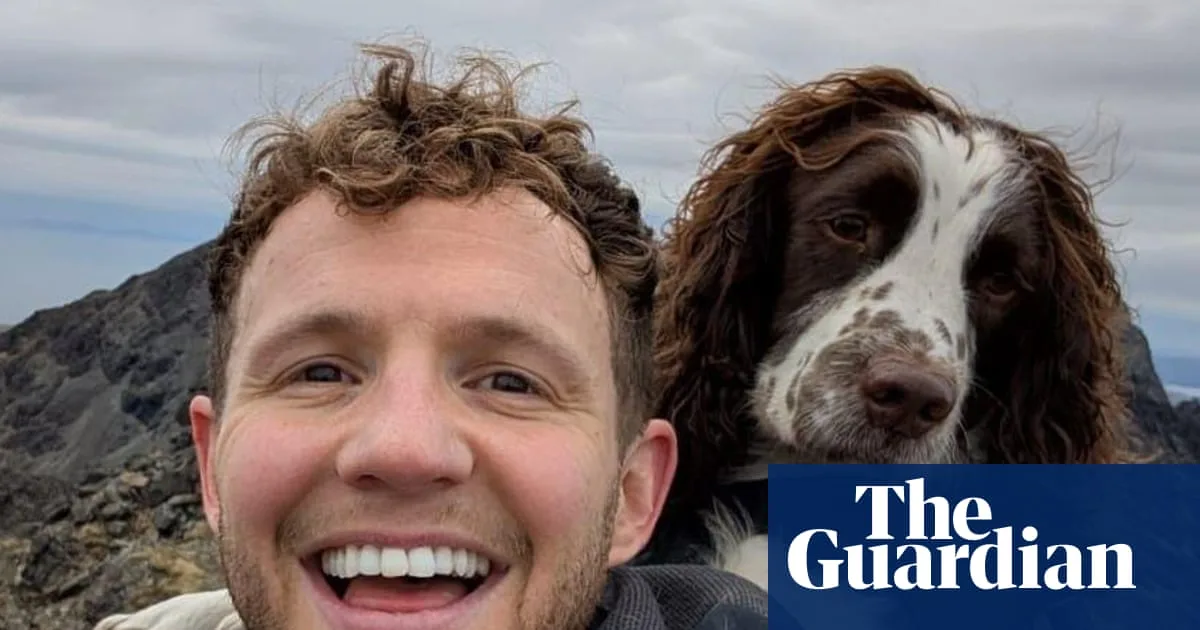
Adventurers are being urged to carefully consider the severe risks of a challenging trail in the Scottish Highlands after an ultra-marathon runner died while attempting to set a world record. David Parrish, 35, was discovered in the remote Kintail mountains at approximately 10.25pm on Saturday, having embarked on a record-breaking attempt to complete the 234-mile Cape Wrath Trail.
Tragic Attempt for a Worthy Cause
The champion runner had dedicated his ambitious endeavour to fundraising for Scottish Mountain Rescue, honouring his late friend, Luke Ireland, who died from hypothermia while running near Glen Clova in November 2014. However, his tragic death has now highlighted the grave dangers associated with one of the United Kingdom's most hazardous routes.
Experts Issue Stark Safety Advice
Tourists and hikers heading to the mountains are now being advised by experts to exercise extreme caution on this treacherous path. Craig Delahaye, Associate Director of Legal Operations at National Accident Helpline, emphasised the urgency of the situation in a statement to the Daily Mail.
'The recent tragic death of a runner on Scotland’s isolated Cape Wrath Trail highlights the dangers of remote, windswept adventure holidays, and raises questions as to whether the cape’s dangers are being made properly known to visitors,' he said.
Delahaye pointed out that with increasing numbers of people opting for adventurous staycations in the UK due to overseas unrest and the cost of living, a reality check on safety is now imperative.
The Perilous Nature of the Cape Wrath Trail
The Cape Wrath Trail is widely regarded as one of the most gruelling challenges in the UK, typically taking most walkers around 20 days to complete. While it offers breathtaking views of the Scottish Highlands' dramatic peaks, remote sea lochs, and stunning waterfalls, it is notoriously brutal.
The route cuts through the rugged landscapes of Lochaber, Knoydart, Applecross, and Torridon, with much of the trail being boggy and pathless. One of the primary reasons it is so challenging is that it is entirely unmarked, requiring strong map and compass skills to navigate.
'Walkers can quickly become lost – requiring strong map and compass skills to stay on track,' Delahaye explained. 'The terrain is also very challenging with sheer cliffs and hidden bogs. The ability to both navigate and avoid these hazards is not something which the average day tripper possesses, and yet there is little warning to put people off.'
Unique Hazards and Isolation
River crossings present another unique aspect of the trail. Hikers may be required to cross unbridged rivers with rapid torrents, which can become especially dangerous after heavy rain.
'There are no bridges over the route’s rivers and so hikers must wade, or in some cases even swim, across,' Delahaye noted. 'This poses extreme danger and risk of drowning, especially as the currents can be very strong.'
The trail's isolation further compounds its perilousness. With no major towns or settlements for tens of miles, rescue operations become complex and dangerous for those who become trapped or lost.
'If someone does fall ill, it can take many hours for emergency services to reach them, if they can find them at all,' Delahaye added.
A History of Incidents and Disappearances
Tragically, many have suffered accidents, vanished, or lost their lives while navigating the trail. In January 2025, police launched a desperate appeal to find a 33-year-old hillwalker who went missing while setting off on the Cape Wrath Trail. Rasa Kilikeviciute was later found safe and well on January 30.
Later that year, in September, a second person reported missing was found eight days after he was last seen on the challenging trail. Ian Currie, 76, from Edinburgh, was believed to have strayed from his planned route, prompting a frantic search involving specialist officers and rescue teams.
In June 2025, a body was found in the search for a hiker who disappeared along the trail. Bernard Trottet, 65, had last been seen in Corryhully Bothy in Glenfinnan on Tuesday, May 27. Following a multi-day search, police confirmed a body was found in the water in the Kinloch Hourn area.
Calls for Improved Safety Measures
To prevent future tragedies, Delahaye believes that relevant tourist boards should make it clear to visitors that the route is not suitable for the inexperienced.
'They should also mandate that participants have appropriate equipment such as waterproofs, food, and a satellite phone,' he said.
He also highlighted the role of social media, noting that while countless videos promote the joys of wilderness adventures, they rarely mention the dangers or encourage adherence to safety guidelines.
'One particular genre, the "solo" adventure, is perhaps the most pernicious. When venturing out into the back country, it is essential to bring a partner. You are far more likely to survive an incident if you are with a friend who can call for help,' Delahaye advised.
He concluded by emphasising the responsibility of walkers themselves: 'This is not an appropriate hike to set out upon as a complete beginner and should not be undertaken lightly on an afternoon. Only those with strong experience and confidence in harsh conditions should undertake the walk. If you would not do it at home, it is likely unwise to tackle it whilst on holiday.'






