
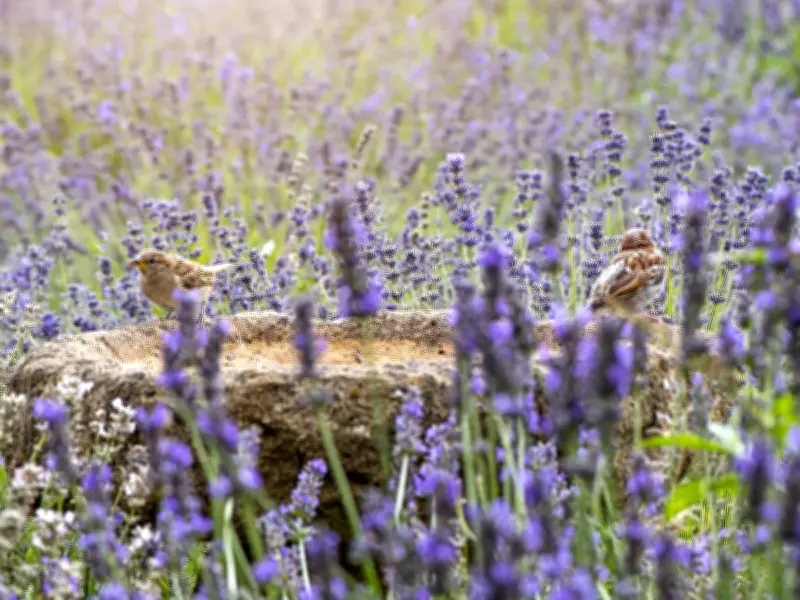
The Royal Society for the Protection of Birds (RSPB) has issued a call for gardeners to perform a simple daily task throughout the summer: topping up bird baths with fresh tap water. This routine helps robins and other garden birds cope with fluctuating temperatures and maintain their health.
Why Bird Baths Matter
Bird baths provide essential water for drinking and bathing, especially during hot, dry summer spells or freezing winter conditions when natural water sources may be scarce. The RSPB notes that a bird bath can be both a vital resource and an attractive garden feature.
Adrian Thomas, RSPB wildlife gardening expert, emphasised: "Our gardens can provide the most for birds by being designed, planted and maintained to provide a healthy menu and happy home all year round."
Daily and Weekly Maintenance
In addition to daily refills, the RSPB advises cleaning bird baths thoroughly once a week to reduce disease transmission among birds. Thomas recommends using a non-toxic disinfectant, followed by a complete rinse to remove any chemical residue.
"Clean them thoroughly once a week to reduce spread of disease between birds," Thomas said.
Other Garden Tips for Bird Welfare
The RSPB also suggests delaying hedge cutting until late August to protect nesting birds. For berrying hedges, cutting one side each year ensures a continuous berry supply. On lawns, varying the mowing height creates a diverse habitat: a mini jungle for beetles and seed-eating birds like sparrows and goldfinches.
The charity advises: "Mowing your lawn less saves you time and makes a big difference to the wildlife in your garden. Create a mini jungle for beetles and other small creatures to wander and where sparrows and goldfinches can come to feed on the seeds."
Letting grass grow allows it to "set feed," promotes wildflower blooming for nectar, and forms a sheltered microclimate. The RSPB also warns against using strimmers, which can injure hedgehogs, frogs, and insect larvae. Resisting mowing until late summer mimics traditional hay meadows.




