
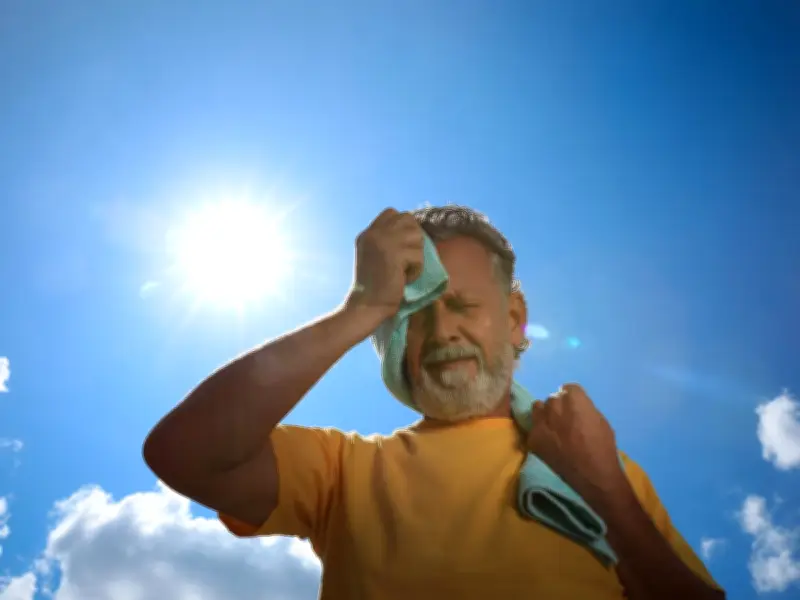
A red extreme heat alert has been issued for Wales this week, carrying a 'risk to life' warning as temperatures are forecast to reach up to 40°C. The Met Office has cautioned that the heat will be accompanied by high humidity, exacerbating discomfort and health impacts, with very warm and humid nights reducing the ability for people to recover overnight.
Public Health Wales Issues Urgent Call
Experts at Public Health Wales (PHW) are making an 'urgent call' for people across Wales to help themselves and others stay safe during the hot weather. Heat-related illness can affect anyone, but older people, babies, and very young children are at greater risk as they can deteriorate quickly in high temperatures.
PHW is reminding people of the importance of staying as cool as possible by following these steps:
- Try to stay in the shade
- Drink plenty of water throughout the day
- Keep buildings cool by closing curtains, blinds, and windows during the day, opening them again in the evening
- Use a sunscreen of SPF 30 or above with at least 4-star UVA protection
Keeping Babies and Toddlers Safe
The public body has also given advice on how to keep babies and toddlers cool, as they cannot regulate their own body temperature well. It suggests parents avoid covering prams or buggies with blankets or cloths, as this can trap heat. Use lightweight bedding and keep rooms as cool as possible.
Recognizing Heat Exhaustion and Heatstroke
It is crucial to know the signs of heat exhaustion, as symptoms can worsen and become heatstroke, a medical emergency. If you or someone else feels unwell during hot weather, move to a cool place, rest, and drink water.
The signs of heat exhaustion include:
- Tiredness
- Dizziness
- Headache
- Feeling sick or being sick
- Excessive sweating and skin becoming pale and clammy, or heat rash (note: skin colour changes can be harder to see on brown and black skin)
- Cramps in the arms, legs, and stomach
- Fast breathing or heartbeat
- A high temperature
- Being very thirsty
- Weakness
If someone has heat exhaustion, follow these four NHS Wales steps:
- Move them to a cool place.
- Remove all unnecessary clothing like a jacket or socks.
- Get them to drink a sports or rehydration drink, or cool water.
- Cool their skin – spray or sponge them with cool water and fan them. Cold packs, wrapped in a cloth and put under the armpits or on the neck, are also effective.
The NHS guidelines state that if you remain unwell after 30 minutes, you should call 999. Call immediately if you have any symptoms of heatstroke, including:
- A very high temperature
- Hot skin that is not sweating and might look red (harder to see on brown and black skin)
- A fast heartbeat
- Fast breathing or shortness of breath
- Confusion and lack of coordination
- A seizure or fit
- Loss of consciousness
Community Support and Open Water Safety
Professor Sarah Jones, consultant in environmental public health for Public Health Wales, said: 'We need to adapt the way that we live during spells of extreme heat to make sure we keep everyone well. Taking just a few minutes to check in on family, friends and neighbours could be lifesaving. A knock at the door, a phone call or a simple text message can make a critical difference to someone who is struggling in the heat and may not be able to ask for help themselves.'
It may be tempting to cool off in lakes or rivers, but cold-water shock is a real danger when jumping into open water. It is advised to enter water slowly to reduce the risk of cold-water shock.
What to Do If You Feel Unwell
According to PHW, if you feel unwell in the heat:
- Tell someone
- Move to a cooler area
- Sip cold water and avoid sugary, alcoholic, hot, or caffeinated drinks
- Call NHS 111 for advice or 999 in an emergency




