
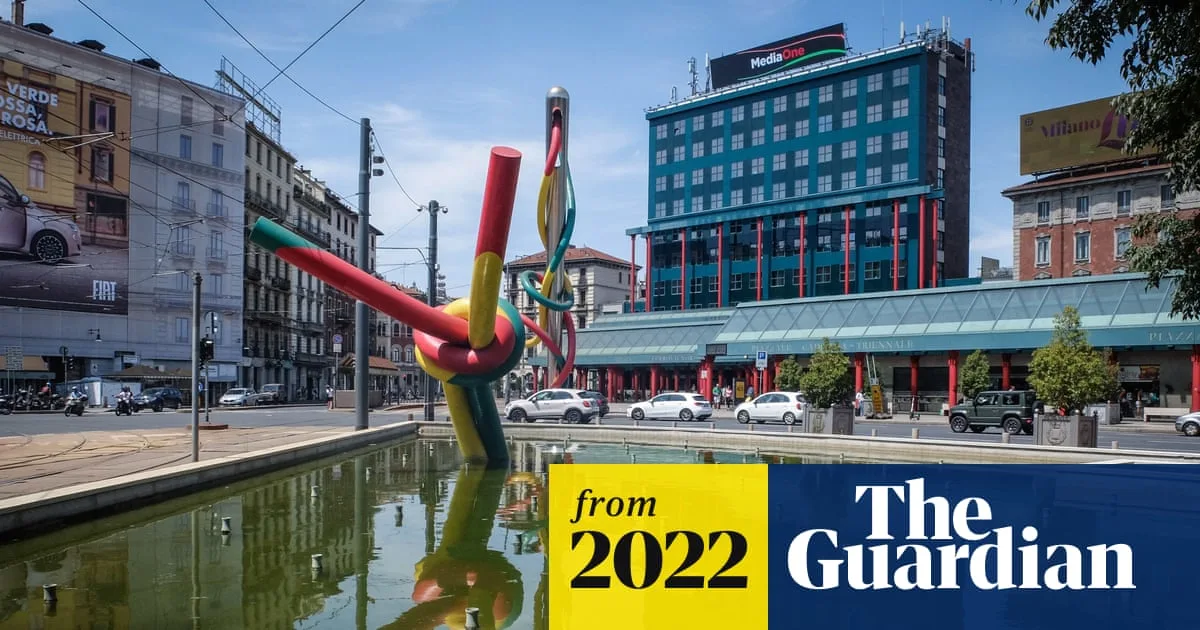
Authorities in Milan have begun shutting off public fountains as Italy grapples with one of its worst droughts in decades. The measure targets about half of the city's 100 decorative fountains, with the remainder set to be switched off in the coming days. Fountains housing fish and plants, as well as drinking fountains, are exempt.
The move follows the declaration of a state of emergency in the wider Lombardy region. Residents in the business and fashion hub have been urged to reduce water use at home, and both inhabitants and business owners have been told not to set air conditioning units below 26°C to conserve energy. Parts of the city experienced power cuts last week, believed to have been caused by a surge in air conditioner use amid high temperatures.
“We must take action and we believe it is right to do our part,” said Milan's mayor, Beppe Sala. Italy is enduring an intense heatwave, with temperatures forecast to exceed 40°C in some areas by the end of the week. The drought has hit northern regions particularly hard, with the Po River, Italy's longest waterway, suffering severely.
Fabrizio Curcio, chief of Italy’s civil protection department, said the Po was up to 80% lower than usual due to rainfall being 40-50% below average and snowfall being down by 70%. The drought has also spread to the Arno River in Tuscany and the Tiber and Aniene in Lazio, and is affecting several lakes, including those in the south.
Curcio warned that a state of emergency could be announced in other regions as the government establishes anti-drought measures, which may include daytime water rationing. Nightly restrictions are already in place in several northern towns, and many rely on water supplies brought in by truck. Attilio Fontana, president of Lombardy, described the drought as the worst the region had ever experienced. The agricultural impact in the Po valley is estimated at over €3 billion, according to the farmers' association Coldiretti.




