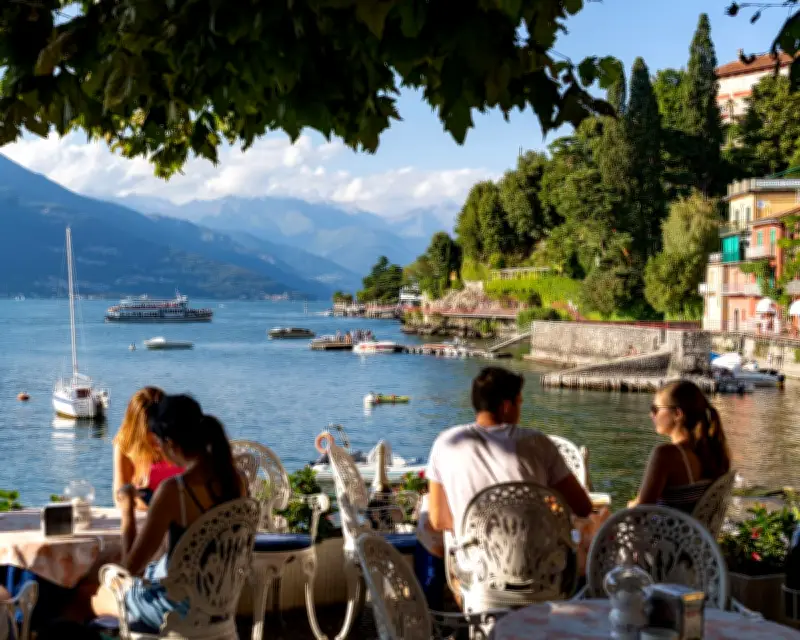
Varenna, a picturesque fishing village on Lake Como, has introduced fines of up to €200 (£170) for tourists wandering around shirtless or in swimwear, becoming the latest Italian destination to crack down on uncouth visitor behavior. The new rules, aimed at preserving the village's appearance and ensuring peace for its roughly 650 year-round residents, also limit tour groups to 25 people and ban guides from using loudspeakers.
Dress Code and Fines
Under the regulations, walking through Varenna shirtless or in swimwear is strictly prohibited—these garments are reserved for lakeside beaches or boat trips on Lake Como. Offenders face fines ranging from €50 to €200. The rules have been in place for several days and have garnered widespread support from locals, particularly the dress code.
“On the beach, you can do what you want, but when you’re walking around and go into shops, restaurants, churches, or in the square, you must dress decently,” a shop owner told Mediaset’s TGCom24. Another shop owner added: “It was time; it’s a sound measure. The important thing is to ensure it’s enforced.”
Tour Group Restrictions
In addition to the dress code, tour groups are now capped at 25 people and must not obstruct Varenna’s narrow cobblestoned streets. The use of loudspeakers by guides is banned, a measure intended to reduce noise pollution and maintain the village’s tranquil atmosphere.
“Varenna is a wonderful village, and we are proud to welcome hundreds of thousands of visitors from all over the world every year,” said Mauro Manzoni, Varenna’s mayor. “However, our residents’ quality of life cannot be sacrificed on the altar of mass tourism.”
Broader Context of Overtourism Measures
Varenna’s initiative is part of a broader trend across Italy to manage overtourism. In 2022, Sorrento imposed hefty fines for what its then mayor described as “widespread indecorous behaviour,” including walking around in swimming gear and bare-chested. In Portofino, a Ligurian coastal town, selfies were banned in 2023, and certain areas were designated as “no-waiting zones” to discourage tourists from lingering too long. These measures reflect growing efforts by Italian destinations to balance tourism revenue with local quality of life.