
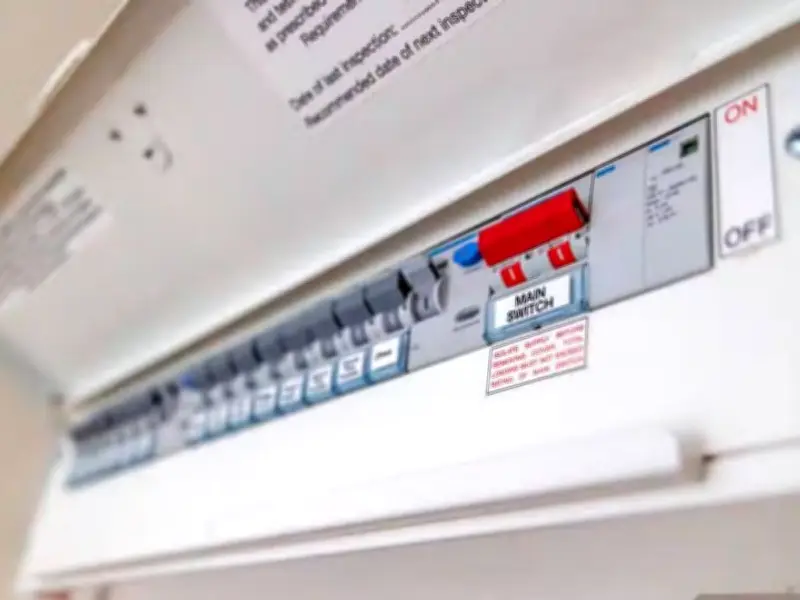
Experts are urging homeowners and tenants not to ignore a persistent fishy odour, as it is often the first warning sign of an impending electrical fire. According to James Harrison, Director of Fusion Electrical, many modern electrical fixtures—including wall switches, outlets, and fuse boards—are constructed using a durable plastic called Bakelite. When a malfunction occurs within the wiring, the plastic begins to melt, releasing a highly distinctive, fish-like chemical odour.
What Causes the Fishy Smell?
The primary cause of this overheating is arcing, which happens when electricity jumps across a gap caused by loose, damaged, or poorly installed wiring. As the electricity arcs, it generates intense heat that degrades the Bakelite casing. While this can happen anywhere in your electrical system, it is frequently found in heavily taxed wall outlets, fuse boxes, and high-draw fixtures like bathroom shower pull cords.
Harrison warns that the fishy smell is often the only warning sign you will get. Because the damage is happening behind walls or inside plastic casings, the system is actively burning well before smoke or flames become visible. Scorch marks, sparks, or warm outlet covers may occasionally appear, but the odour is the most reliable early indicator.
What to Do If You Smell It
If you notice a persistent, fishy odour with no obvious explanation—like leftover food or a full bin—take immediate action:
- Cut the power: Locate your main consumer unit (fuse box) and shut off the mains power to the entire property right away.
- Call a professional: Contact a certified, registered electrician to inspect the system and locate the faulty component.
How to Prevent Electrical Overheating
To protect your property from hidden electrical faults, experts recommend homeowners and renters alike have an Electrical Installation Condition Report (EICR) completed every five years. This comprehensive check evaluates the safety of your circuits and outlets, catching loose connections before they can arc.
Additionally, avoid overloading outlets. While low-energy devices like computers or televisions are safe on multi-plug extension leads, high-draw appliances such as kettles, washing machines, and tumble dryers must always be plugged directly into their own dedicated wall sockets.




