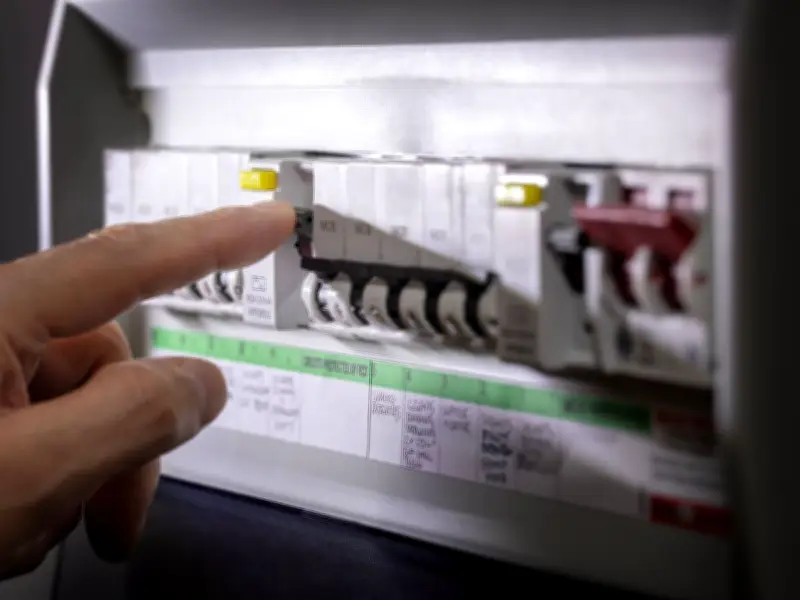
UK households are being warned that a fishy smell in the home could signal a severe electrical defect requiring immediate action. James Harrison, Director at Fusion Electrical, explains that electrical components made of bakelite plastic release a distinctive fishy odour when they overheat due to arcing from loose or defective connections.
The Cause of the Fishy Odour
"Electrical components like sockets and switches are often made from a hard plastic called bakelite," says Harrison. "When this material overheats due to an electrical fault, it starts to break down and gives off a very distinctive fishy smell." Such overheating typically stems from arcing—a minute yet hazardous electrical discharge resulting from a loose or defective connection. "If there's a loose connection in a fuse board or socket, the electricity jumps across the gap—creating heat through arcing," he explains. "Over time, that heat can melt the plastic, and that's when you get the fishy odour."
Other Warning Signs
Beyond the odour, additional red flags of electrical overheating may include discoloured sockets, buzzing sounds, or warm switch plates. However, Harrison cautions that the odour may be the sole indication of trouble. "That fishy smell means something in your electrical system is burning," he said. "If ignored, it could start an electrical fire—and that risk can be immediate."
What to Do If You Smell It
Should you detect a fishy odour without an obvious source, particularly around a socket or switch, don't dismiss it. "Turn off your mains power straight away and call a qualified electrician," says Harrison. "This is not something to wait on or second-guess."
Prevention Measures
To circumvent problems before they escalate into hazards, Harrison advises arranging an Electrical Installation Condition Report (EICR) every five years, regardless of whether you own or rent your property. "An EICR checks the condition of all sockets and circuits—it's the best way to catch faults early," he explains. An additional straightforward preventative measure involves steering clear of socket overloading. "Appliances like TVs and computers are fine, but large items like washing machines, tumble dryers or kettles should never be plugged into extension leads or overloaded sockets," warns Harrison. "They draw a lot of power and can easily overheat the system if not used correctly."