
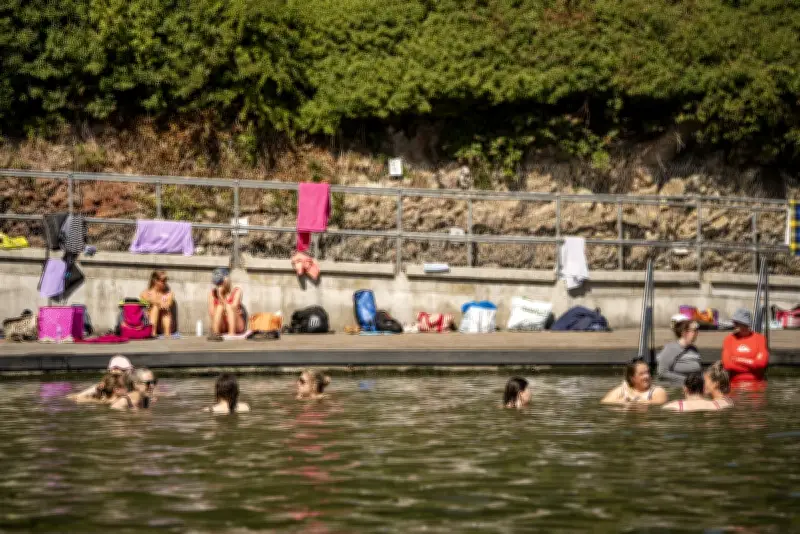
Fire chiefs are urging extreme caution in outdoor spaces this week as a "dangerous" heatwave increases the risk of wildfires and water-related deaths. Extreme heat, forecast from Monday to Thursday, has prompted a rare red heat health alert and weather warning from officials.
Record Temperatures Expected
The Met Office predicts temperatures could exceed 37C in the shade and may rise to 38C to 40C in parts of England and Wales, as human-driven climate change intensifies the impact of a "heat dome" settling over western Europe.
As people flock outdoors or to coastal areas, the National Fire Chiefs Council (NFCC) warns of dangers associated with hot conditions. The NFCC is urging parents and carers to discuss the dangers of rivers, lakes, reservoirs, canals, and quarries with children, reminding people that water temperature can remain dangerously cold despite warm air temperatures.
Drowning Risks Highlighted
Nineteen children and adults lost their lives in accidental drowning incidents over the course of a week during last month's heatwave. Recent research from Bournemouth University also found that three times as many accidental drowning fatalities occur on days when air temperatures reach 25C or more, compared to the seasonal average.
Phil Garrigan, NFCC chairman, said: "We have already seen the consequences that periods of extreme heat can have, with a number of lives tragically lost in water-related incidents during recent hot weather. If you are planning to spend time near water, take a moment to think about the risks and make sure you know how to stay safe."
Wildfire Risks Escalate
The fire chiefs also warned of the spiking risk of outdoor fires and wildfires during hot weather, with the latter often caused by everyday activities such as the use of disposable barbecues or carelessly discarded cigarettes. Between January 1 and June 18 this year, there have already been 306 wildfires recorded in England and Wales, they added.
Although this is lower than the 565 incidents recorded during the same period last year, it is already higher than the 277 recorded at the same point in 2022, which went on to become a record-breaking wildfire year and marked the first time UK temperatures exceeded 40C.
"Many people do not realise how easily a wildfire can start or how quickly it can spread," Mr Garrigan said. "What begins as a small fire can rapidly become a major incident requiring a significant emergency response, particularly when conditions are hot and dry. The weather may be drawing people outdoors, but the risks are real. We want people to enjoy the warmer temperatures, but to do so safely and without putting themselves, their families or their communities in danger."
Safety Advice Issued
The council said people should follow water safety advice, which includes swimming in supervised locations, not jumping into water to cool off, not entering water if drinking alcohol, and never entering the water to attempt a rescue but to call 999 immediately. In terms of wildfires, the NFCC said people should avoid using disposable barbecues in open countryside, parks, and moorland areas, never discard cigarettes, matches, or glass bottles into vegetation, and report any signs of fire immediately by calling 999.
Red Weather Warning in Effect
On Monday, the Met Office issued a rare red weather warning for some areas of England and Wales, covering Wednesday and Thursday. The alert means "dangerous weather" is expected, causing widespread health impacts, travel disruptions, and additional strain on public services and national infrastructure. The Met Office also warned that significantly more people will likely visit coastal areas, lakes, and rivers, leading to an increased risk of water safety incidents.
Meanwhile, the UK Health Security Agency (UKHSA) issued a red health alert for six regions during the same period, which indicates "a risk to life for even the healthy population" as the very warm days and humid nights make it hard for people to recover from heat stress. Scientists said the cause of the heatwave is similar to the "heat dome" seen last month, which involves a high-pressure weather system stalling over a region and trapping heat. They also warn that human-driven climate change has increased the intensity and likelihood of this unprecedented heatwave.




