Millions of people around the world will pause on Wednesday, at least for a moment, to mark Earth Day. The annual event, conceived to ignite activism for the preservation of a planet now home to some eight billion humans and countless other organisms, has grown into a global movement since its inception in 1970.
The Origins of Earth Day
The roots of Earth Day lie in the escalating environmental concerns of the 1960s. Rachel Carson’s seminal 1962 work, Silent Spring, which exposed the devastating effects of the pesticide DDT on the food chain, became a bestseller and significantly heightened public awareness of nature’s delicate balance. However, it was US Senator Gaylord Nelson, a Democrat from Wisconsin, who conceived the idea that would become Earth Day. Deeply concerned about the environment, Nelson was particularly moved by a massive offshore oil spill that deluged the Southern California coast in 1969. After witnessing the devastation firsthand, he proposed a national "teach-in" on environmental issues, drawing inspiration from similar events held on college campuses to protest the Vietnam War. Nelson, alongside activist Denis Hayes, then worked to broaden this concept beyond universities, orchestrating events across the US and coining the name Earth Day.
The First Earth Day and Its Impact
The inaugural Earth Day, held on 22 April 1970, was strategically scheduled between spring break and final exams to maximise student participation, according to EarthDay.org, where Hayes remains board chair emeritus. While not a federal holiday, Earth Day serves as a focal point for numerous groups to organise volunteer initiatives, such as natural area clean-ups. A comprehensive list of global events, and the option to register new ones, is available via EarthDay.org.

The event has undeniably made a significant impact. The overwhelming public response to the first Earth Day is widely credited with pressuring the US Congress to address pollution more robustly, leading to landmark legislation including the Clean Air Act and Clean Water Act. More broadly, it is recognised as the genesis of the modern environmental movement.
Earth Day Goes Global
In subsequent years, Earth Day evolved into a truly global phenomenon, now claiming to have spurred action in more than 192 countries. Since 2000, Earth Day has increasingly focused on climate change, an issue that has grown ever more urgent. This year’s Earth Day campaign is centred around the slogan "Our Power, Our Planet," encouraging collective action against environmental degradation.
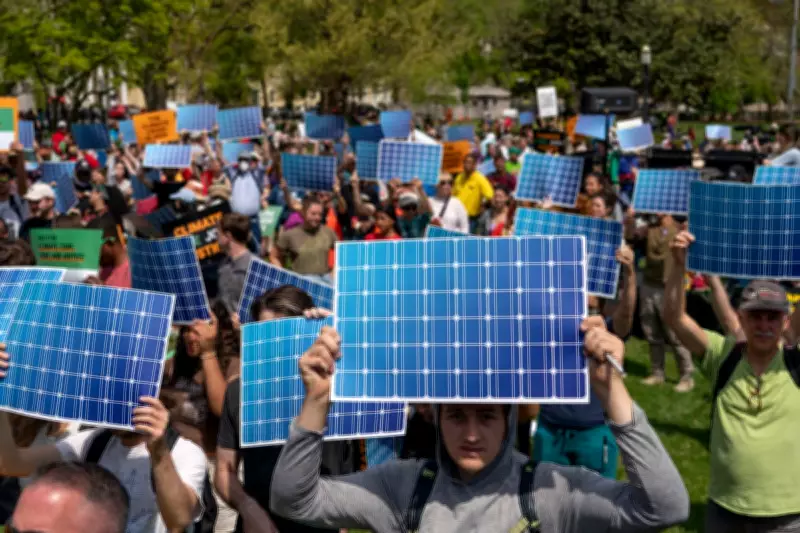
Climate activists continue to hold rallies, such as a protest against fossil fuels on Earth Day at Freedom Plaza in 2023, as captured by the Associated Press. The movement remains as vital as ever, with millions participating in events worldwide to advocate for a healthier planet.