
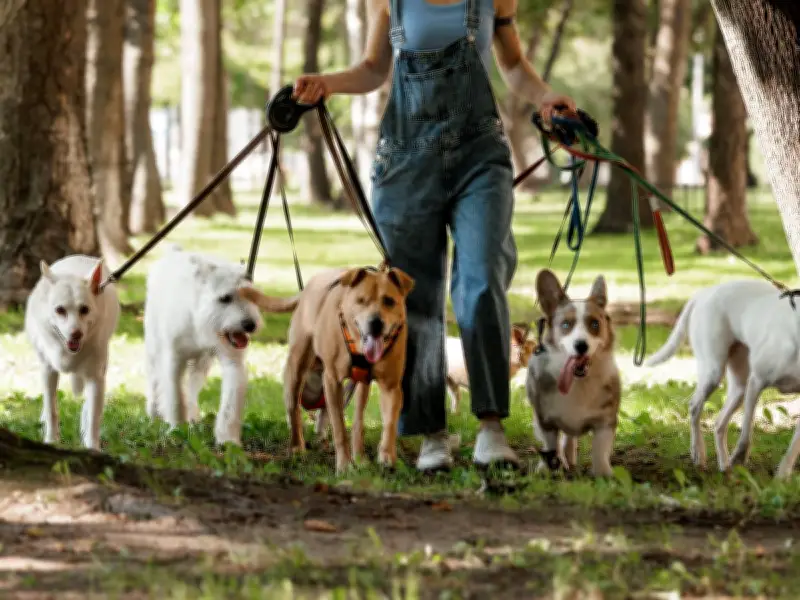
A veterinary expert has issued a warning that certain dog breeds are particularly at risk during the ongoing UK heatwave, as temperatures continue to climb. Phil Younger, Veterinary Operations Director at Pharmacy2U Pet Health, highlighted that active breeds such as Border Collies and Spaniels, as well as flat-faced breeds including Pugs, Bulldogs, and Shih Tzus, are most susceptible to overheating.
Why Dogs Struggle in the Heat
Unlike humans, dogs cannot sweat to regulate their body temperature. They rely on panting and sweating through their paws, but high humidity reduces the effectiveness of panting. This significantly increases the risk of heatstroke, especially during prolonged hot spells. The UK is experiencing temperatures in the high twenties, with London reaching 29C for the foreseeable future.
Phil Younger stated: “With the UK preparing for another hot spell and humid conditions, owners need to recognise the warning signs of overheating, including excessive panting, heavy drooling, lethargy, vomiting, collapsing or confusion.”
Breeds Most at Risk
Active breeds like Border Collies and Spaniels require extra care because their high energy levels may lead to overexertion in hot weather. Flat-faced breeds (brachycephalic) such as Pugs and Bulldogs have anatomical features that impede efficient panting, making them more prone to heat stress. Additionally, puppies, older dogs, overweight dogs, and those with underlying health conditions are also vulnerable.
“Factors such as breed, age, coat type, health status and activity level all influence a dog's ability to cope with hot weather,” Younger added.
Four Tips to Keep Dogs Safe
Phil Younger provided four essential tips to help dog owners protect their pets during the heatwave:
1. Ensure Access to Fresh Water
“Always ensure your dog has access to cool, fresh water. Staying hydrated is essential for helping them regulate their body temperature and reducing the risk of overheating,” Younger said. He recommends adding ice cubes to water bowls, placing multiple bowls around the home, and supervising drinking to prevent choking.
2. Time Outdoor Activities Carefully
Avoid walks and outdoor play during the hottest parts of the day. Early mornings and late evenings are safest. Carry a travel water bowl when out. “Never leave your dog in a parked car, even for a few minutes. Temperatures inside a vehicle can rise to dangerous levels very quickly,” Younger warned.
3. Create a Cool Indoor Environment
Keep the home well-ventilated with fans or air conditioning. Provide cooling mats and offer frozen treats made from water or low-sodium broth. Ensure outdoor areas have shaded spots.
4. Use Sun Protection
Dogs with short or thin coats are vulnerable to sunburn. Apply pet-safe sunscreen to sensitive areas like the nose, ears, and belly. Check for redness or irritation after sun exposure.
If a dog shows signs of heat stress, such as excessive panting, drooling, or collapse, contact a vet immediately.




