
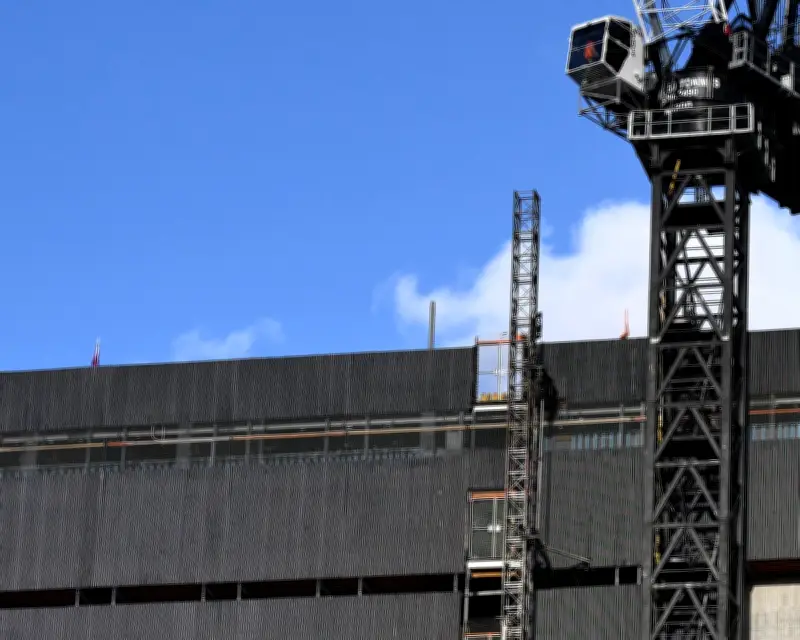
Datacentres are surging across Australia and worldwide, driven by the artificial intelligence boom. Economist Nicki Hutley warns that the economic, environmental, and social consequences of this investment explosion are profound, yet governments are taking a laissez-faire approach.
Massive Global Investment in Datacentres
Worldwide, there are over 10,000 active datacentres, with projections indicating a 3.5-fold increase at an estimated cost of US$7tn—equivalent to more than 5% of annual global GDP. The United States hosts the majority, but Australia is emerging as a key player, with 286 active or planned centres. Global AI leaders like Anthropic are eyeing Australia as a potential training ground for their models.
Environmental and Energy Concerns
Datacentres consume vast amounts of energy and water. In Australia, consumption of both is expected to triple by 2030. This strains electricity grids and could slow the transition to net zero emissions, especially as fossil fuels still supply about half of Australia's energy demand. Queensland has indicated it is willing to continue using fossil fuels for datacentres, resisting federal government expectations. The waste heat generated by datacentres is also problematic, particularly in Australia's warming climate.
Economic Impact and Job Creation
While the datacentre boom has boosted business investment, most equipment is imported, meaning the direct effect on Australia's economic output is close to zero. Beyond construction, datacentres create far fewer jobs than sectors like manufacturing. The promised benefits are tied to the AI they enable, particularly productivity gains, but Australia's poor track record in commercialising ideas suggests capturing these benefits will be challenging.
Regulatory and Policy Gaps
Governments are largely adopting a hands-off approach, possibly due to fear of missing out on alleged benefits or upsetting tech billionaires. Hutley argues that datacentres should be subject to cost-benefit analysis like other infrastructure projects. The Australian Prudential Regulation Authority has warned banks about accelerating cybersecurity risks from AI, ironically recommending AI tools to counter the threat.
AI's Potential Benefits
AI offers significant advantages, such as relieving congestion in Shanghai, improving medical imaging diagnosis, and optimising energy grids. However, these benefits must be weighed against the costs. Hutley emphasises that the collective impact of datacentre emissions and resource use cannot be ignored.
According to Nicki Hutley, the government must ensure that technology works for the Australian people, not the other way around. She concludes that so far, this has not been achieved.




