
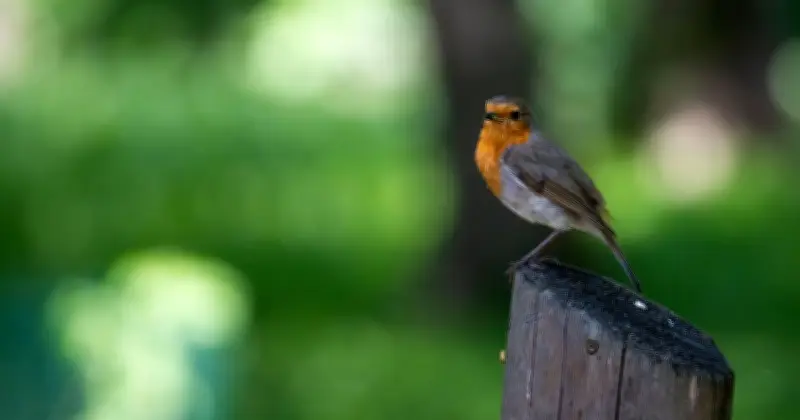
The Royal Society for the Protection of Birds (RSPB) is urging gardeners to refill bird baths with fresh tap water every day this summer to protect robins and other birds from heat and dehydration. Gardens across the UK serve as vital sanctuaries for wildlife, providing shelter, food, and water. As temperatures rise, birds face increased challenges in finding clean water sources, making daily bird bath maintenance a simple yet crucial task.
Why Bird Baths Matter
RSPB wildlife gardening expert Adrian Thomas emphasised the importance of water for birds. “Our gardens can provide the most for birds by being designed, planted and maintained to provide a healthy menu and happy home all year round,” he said. Bird baths offer drinking and bathing opportunities essential for feather maintenance and temperature regulation. The RSPB states: “A bird bath can be a vital source of water for drinking and bathing for birds, in both hot and cold weather - and an attractive addition to your garden.”
Daily Refill and Weekly Cleaning
Gardeners should refill bird baths daily with fresh tap water to ensure cleanliness and availability. Thomas also stressed regular cleaning: “Clean them thoroughly once a week to reduce spread of disease between birds.” The RSPB recommends using a non-toxic disinfectant and rinsing thoroughly to remove any chemical residue. This practice helps prevent the transmission of avian diseases such as salmonellosis or avian pox.
Additional Tips for Bird-Friendly Gardens
Beyond water, gardeners can support birds by delaying hedge cutting until late August, after the nesting season. Thomas advised: “Delay hedge cutting until late August when nesting season is safely out of the way. With berrying hedges, try cutting one side this year and the other side next year to ensure there are always berries on offer to birds.” For lawns, he added that “variety in lawn length is the spice of life for birds.” The RSPB explains that mowing less frequently creates a mini jungle for beetles and other small creatures, providing food for sparrows and goldfinches. Longer grass also encourages grasses to set seed, wildflowers to bloom and offer nectar, and creates a sheltered microclimate. The charity warns against using strimmers, which can injure hedgehogs, frogs, and insect larvae. If possible, delaying mowing until late summer mimics traditional hay meadows.
Benefits for Other Wildlife
Gardens are not just for birds but also host essential pollinators like bumblebees, honeybees, wasps, drone flies, ladybirds, and beetles, as well as hedgehogs seeking shelter. Maintaining a bird-friendly garden supports the broader ecosystem, making daily bird bath refills a small but impactful action for wildlife conservation.




