Passengers embarking on an Antarctic adventure with Aurora Expeditions can now play a direct role in vital climate research. The expedition cruise line has launched a pioneering citizen science project that teaches guests how to monitor the region's rapidly changing polar ice caps.
Harnessing Thermal Technology for Science
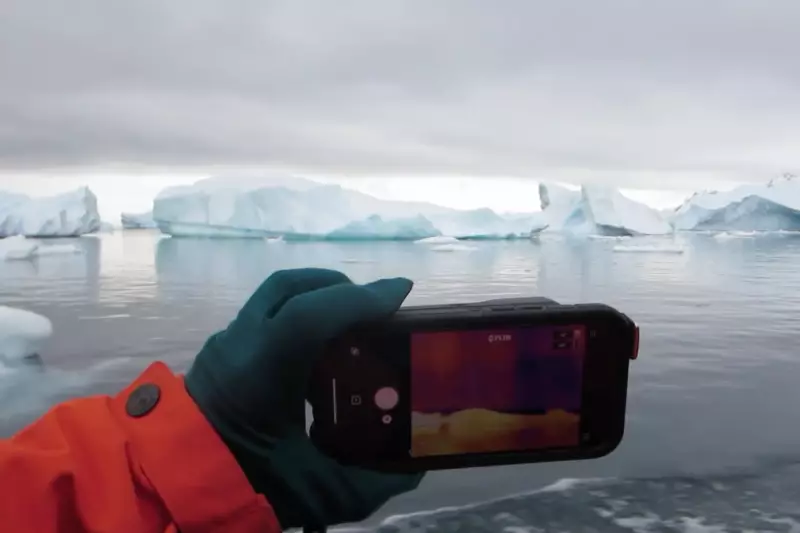
The initiative is a collaboration with physicist and educator Joe Muise, who leads the Thermal Imaging of Polar Ice project. Instead of standard cameras, the project employs specialised thermal imaging equipment. These devices detect surface temperature differences, allowing ice formations and glaciers to be viewed through heat signatures rather than visible light.
Guides aboard Aurora Expeditions' three ships will instruct passengers on how to use these thermal cameras to capture images of the polar landscape. The collected data, which shows how ice behaves and changes over time, is then uploaded to the project's dedicated website for analysis.

Inspired by Expedition Travel
Muise conceived the idea during a Lindblad Expeditions trip to Antarctica in 2023. He recognised the untapped potential of using expedition vessels as platforms for large-scale data collection in remote regions.
"Using expedition cruises for data collection takes advantage of the fact that people are already traveling to these regions," Muise told The Independent. "It allows science to happen in a way that would otherwise be difficult to execute."
He emphasised that the project helps cruise lines demonstrate a tangible contribution to research while raising awareness and engaging the public in conservation efforts.
A Commitment to Science-Led Exploration
For Aurora Expeditions, this partnership is a core part of its ethos. Michael Heath, the company's chief executive, stated the initiative reflects their commitment to science-led exploration.
"At Aurora, we believe exploration comes with a responsibility to learn, share knowledge and contribute where we can," Heath said. He described the project as a way to bring greater awareness to environmental change while offering travellers a chance to engage meaningfully with science.
Initially, the thermal imaging data will be used for educational purposes, including in Muise's own classes. However, once a sufficiently large dataset is assembled, the analysis will be shared with government bodies and relevant environmental organisations to inform wider climate policy and understanding.