Coffee-Growing Nations Grapple with Rising Temperatures That Threaten Bean Cultivation
A recent analysis has uncovered a dire trend: the countries responsible for the majority of the world's coffee supply are becoming increasingly too hot to cultivate beans effectively due to climate breakdown. This development poses a significant risk to global coffee production and the livelihoods of millions of farmers.
Alarming Heat Increases in Key Coffee Regions
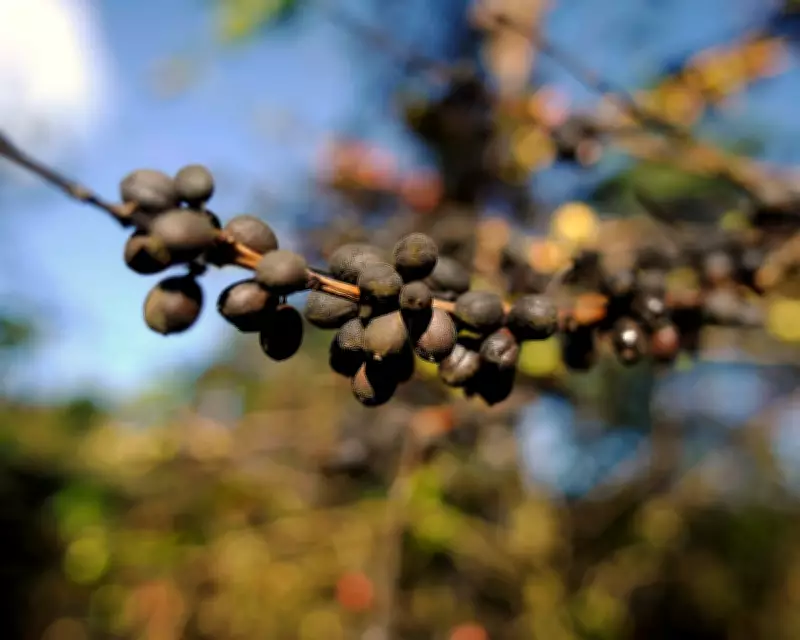
According to findings from Climate Central, a research organisation focused on the climate crisis, the top five coffee-growing nations, which collectively account for 75% of global supply, have experienced an average of 57 additional days of coffee-harming heat each year. This surge is directly linked to human-induced climate change, with temperatures above 30 degrees Celsius proving particularly detrimental to coffee plants, especially the prized arabica variety.
The worst-affected country is El Salvador, which recorded 99 extra days of harmful heat. Brazil, the world's largest coffee producer contributing 37% of global output, faced 70 additional days above 30C. Ethiopia, the birthplace of coffee and a key producer with 6.4% of global production, endured 34 extra days of extreme heat.

Impact on Farmers and Global Supply Chains
In Ethiopia, more than four million households depend on coffee as their primary income source, with the crop generating nearly one-third of the country's export earnings. Dejene Dadi, general manager of the Oromia Coffee Farmers Cooperatives Union, highlighted the immediate challenges: "Coffee farmers in Ethiopia are already seeing the impact of extreme heat. Ethiopian arabica is particularly sensitive to direct sunlight. Without sufficient shade, coffee trees produce fewer beans and become more vulnerable to disease."
The industry is under immense strain, with about two billion cups of coffee consumed daily worldwide. Prices for arabica and robusta beans have nearly doubled from 2023 to 2025, reaching an all-time high in February 2025, according to the World Bank. This price surge reflects the growing scarcity and production difficulties.
Adaptation Efforts and Financial Shortfalls
Efforts to mitigate the effects are underway but face significant hurdles. The Oromia cooperative has distributed energy-efficient cookstoves to members to reduce deforestation in wooded areas that provide natural shade for coffee plants. However, campaigners point to a critical lack of climate finance for meaningful adaptation.
A study from last year revealed that smallholder farmers, who produce 60% to 80% of the world's coffee, received only 0.36% of the necessary funds to adapt to climate impacts in 2021. Dadi emphasised the urgency: "To safeguard coffee supplies, governments need to act on climate change." Without increased support, the ability of farmers to sustain production is severely limited.
Broader Implications for the Coffee Industry
Coffee beans are primarily grown in the "bean belt" between the Tropic of Cancer and the Tropic of Capricorn, requiring specific temperature and rainfall conditions to thrive. As climate change disrupts these conditions, the future of coffee cultivation hangs in the balance. The analysis by Climate Central compared heat days in coffee-growing regions from 2021 to 2025 against a scenario without carbon pollution, underscoring the human contribution to this crisis.
This situation not only threatens economic stability in producing countries but also risks making coffee a luxury item for consumers worldwide. The need for immediate and coordinated action on climate change is more pressing than ever to protect this vital global commodity.