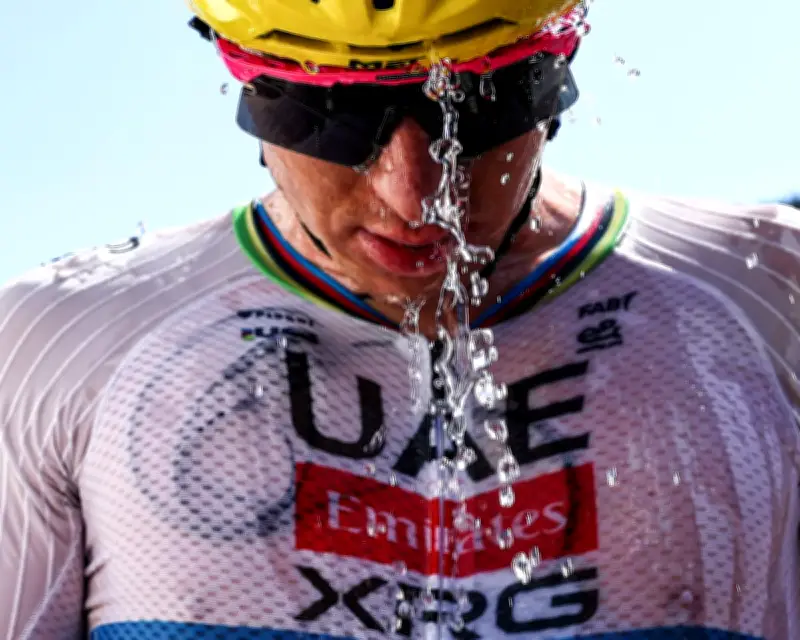
The Tour de France and extreme heat are becoming increasingly dangerous, with riders facing temperatures that push human endurance. In the 2026 Tour, teams are using up to 100 kilograms of ice per day to keep riders cool, a stark contrast to the 1976 Tour when riders like Raymond Poulidor limited themselves to two litres of water, believing too much led to depression.
Historical Heatwaves and Changing Wisdom
In the 1976 Tour, described by journalist Geoffrey Nicholson, temperatures reached 25°C in the Vendée and 29°C in Caen. Now, riders compare conditions to "riding into a hair dryer" with 40°C heat. In the 1960s, Tom Simpson died on Mont Ventoux in heat that burst a thermometer, while riders were restricted to four bottles a day. Simpson's death prompted rule changes allowing more hydration.
Earlier practices included eating salted codfish to prepare for dehydration and stuffing cabbage leaves under hats to cool necks. These methods have been replaced by science-based approaches.
Modern Cooling Techniques
Since 2004, teams have used ice baths for hands to lower core temperature. In 2010, Team Sky began testing individual mineral needs for optimal hydration. Today, teams use custom ice lollies with personalised salt levels. A single team may consume 80 to 100 kilograms of ice daily.
Despite these advances, the human body has limits. Global heating may force organisers to reconsider the Tour's July schedule and late-afternoon finishes. Spectator safety is also a concern; amateur races in France have been cancelled or amended due to heatwaves.
Future Adaptations
Stage finishes without spectators, as seen at Les Angles, reduce tourist spending. Organisers are also monitoring extreme rainfall in the Alps, where mudslides have occurred. The days of salted cod and cabbage leaves are over, and more torrid times await.