The Ghost Village That Refused to Die
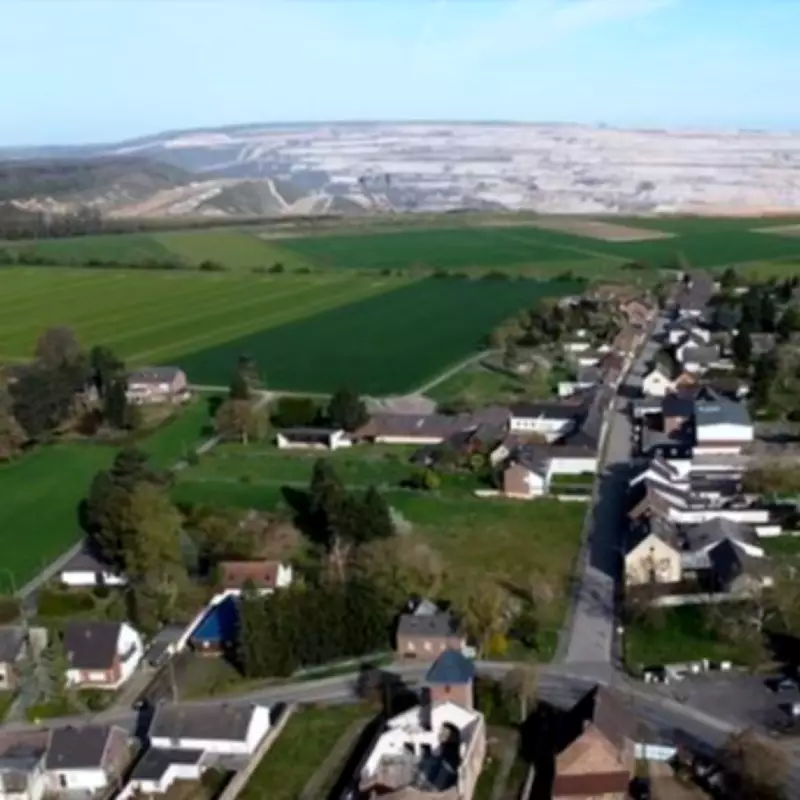
In a remarkable twist of fate, a German village that was completely evacuated over a decade ago to make way for a massive open-cast coal mine still stands today, with a handful of residents defying its abandoned status. The village of Morschenich-Alt, also known as Old Morschenich, was once home to approximately 500 people who were relocated to a new town two miles away by 2015.
A Mine That Never Materialised
The original demolition plans, initiated in 2013, were intended to clear the ancient settlement for coal extraction. However, these ambitious mining proposals were ultimately scrapped. Instead, the nearby Hambach open-pit lignite mine, an enormous 44-square-kilometre excavation reaching depths of 300 metres, has itself been abandoned.
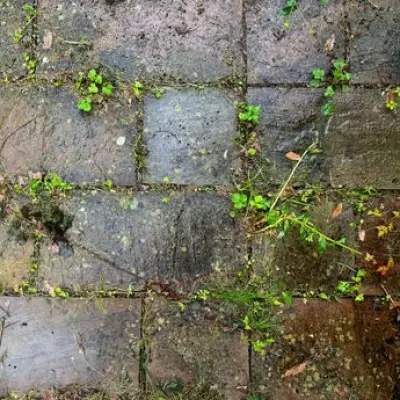
This dramatic reversal has left the village in a state of eerie limbo, with nature aggressively reclaiming the streets and buildings that have stood for at least a millennium.

The Urban Explorer's Unexpected Discovery
Urban explorer Colin, who documents his adventures on his popular Bearded Explorer YouTube channel, recently toured the desolate location. He described the atmosphere as profoundly unsettling, with overgrown weeds bursting through pathways and trees threatening to engulf the deserted houses entirely.
"It's very eerie," Colin remarked. "It'll be interesting to see what they actually do with this place, but I guess only time will tell."
The village's church has been completely gutted by fire, leaving only fragments of its beautiful interior walls. Most shops and homes have been sealed, some with doorways entirely bricked up, making it impossible to peer inside. Colin noted the palpable sense of haste in the evacuation, suggesting many former residents likely regretted leaving.
'Mind-Blowing' Encounter with Current Residents
Despite the pervasive emptiness, which made Colin feel like "one of the last survivors" in a post-apocalyptic world, he made a startling discovery. Through a chance encounter and the aid of a translation app, he met one of the village's few current inhabitants.
The resident revealed that only eight families now live in Morschenich-Alt, a fact Colin described as "mind-blowing." These families are not the original German villagers but have relocated from countries including Turkey, Afghanistan, and Egypt.
Colin explained, "He told us there are only eight families living in here now... five along this road and two along the other half."
An Uncertain Future and Grand Proposals
The village's future remains shrouded in uncertainty. There are discussions about renaming it Bürgewald, meaning "place of the future," and transforming it into a model sustainable community. However, these plans are currently on hold.
Meanwhile, an even more ambitious proposal is being considered for the defunct Hambach mine. Authorities are exploring the possibility of flooding the vast 19-square-mile pit to create an enormous inland lake. This radical idea raises significant logistical questions, primarily about the source of the immense volume of water required.
Colin summarised the complex situation: "While Morschenich became a ghost town, the decision to halt the mining expansion has allowed the village to avoid total destruction. There may be new hope on the horizon, but what would happen to the mine? Only time will tell what the future truly holds for this place."
The story of Morschenich-Alt is a poignant tale of disrupted lives, environmental reclamation, and unexpected resilience. It stands as a powerful symbol of how grand industrial plans can falter, leaving behind communities suspended between a forgotten past and an unwritten future.