British Wine Industry Booms as Climate and Expertise Drive Growth
The rolling hills of rural Dorset are now home to rows of vines, currently bare against a spring sky but soon to be laden with chardonnay, pinot noir, and pinot meunier grapes. At the Langham estate near Dorchester, these grapes will produce award-winning English sparkling wine, a testament to the UK's burgeoning viticulture sector. Owner Justin Langham explains that diversifying into wine-making has proven lucrative, with output per acre far exceeding traditional crops like wheat.
Climate Change: A Double-Edged Sword
Growing grapes commercially in Britain has been enabled by shifting climate patterns and innovative growing methods. Langham notes that such ventures would have been impossible decades ago. However, the climate crisis also brings challenges, such as unreliable, rainy summers like that of 2024, which can lead to mould, disease, and significant vintage variations. Despite this, vineyards now stretch from south-west England to Wales and as far north as Yorkshire and Scotland.
According to the latest figures, over 1,100 vineyards are registered in Britain, most of which are commercial operations. While the UK remains a minor global producer compared to countries like Uzbekistan and Tunisia, it is the world's fastest-growing wine region. Knight Frank reports that the area of planted vineyards has quadrupled since the turn of the century.

Expansion and Production Surges
The Langham estate has nearly tripled in size since 2009, now covering about 34 hectares of a 1,000-hectare site. This growth mirrors a national trend, with the company investing £2 million in a new winery to accommodate increased production. Across the UK, wine output has surged, yet yields remain unpredictable, making it difficult to produce a standardised product year after year.
In 2025, a hot, dry summer helped English and Welsh producers achieve their second-largest harvest, equivalent to 16.5 million bottles. This marks a dramatic increase from the 5.3 million bottles produced in 2017, according to WineGB. However, it fell short of the 2023 bumper harvest of 21.6 million bottles, as some vines recovered from the cold, wet conditions of 2024.
Economic and Regional Impacts
Changing weather patterns are also affecting traditional wine-making regions like Spain, Italy, and southern California, where harvests are expected to decline. If climate change shifts winemaking farther north, UK producers may struggle to match the volumes of established regions. Consequently, British wine often commands higher prices than European alternatives due to lower production levels.
Forecasts suggest continued growth, with annual production projected to reach 25-29 million bottles by 2032 and retail value potentially hitting £1 billion by 2040. South-east England, particularly Kent, Sussex, Essex, and Hampshire, dominates the industry, accounting for over half of UK vineyards and around two-thirds of domestic wine production.
Expertise and Education Fueling Success
Nicola Bates, chief executive of WineGB, attributes the industry's success to accumulated expertise. Many professionals have gained experience in global wine hubs like New Zealand and Australia, now applying their knowledge in the UK. This has led to more productive vineyards and a growing workforce.
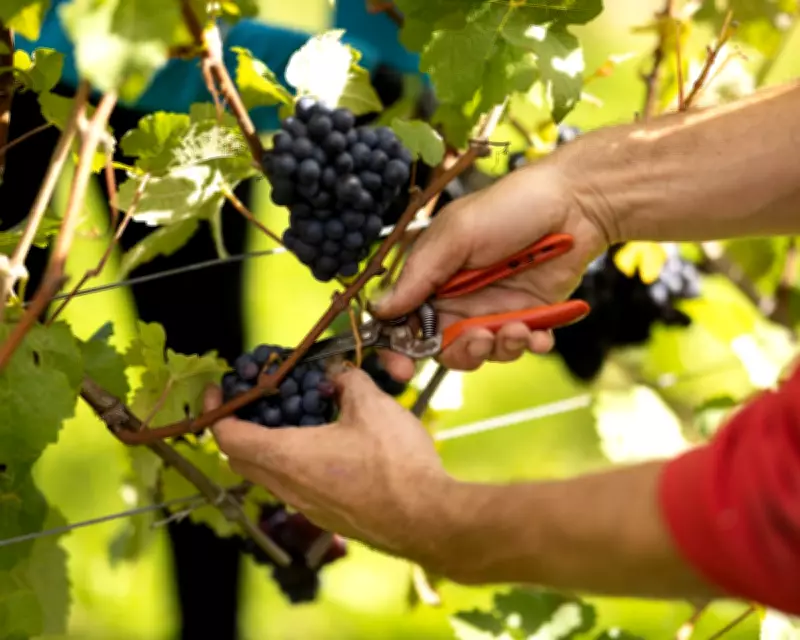
Approximately 10,000 people are employed in the UK wine industry, with 3,500 in full-time roles and the rest in seasonal work like harvesting and pruning. This represents a significant increase from 2,200 full-time employees just two years ago. Bates highlights that wine employs more people per hectare than any other agricultural sector, with 90% of operators planning to hire more staff in the next three years.
Training the Next Generation
Plumpton College in East Sussex serves as the UK's premier training centre for winemaking, offering courses from certificates to bachelor's degrees. The college operates its own vineyard and commercial winery, producing about 40,000 bottles annually. Sam Linter, director of wine at Plumpton, emphasises that careers in wine blend science, sustainability, business, travel, and creativity, with roles ranging from winemakers to sommeliers.

Students like Kym Downes, a first-year viticulture and oenology undergraduate, are drawn to the diverse opportunities. Inspired by a winemaker's passion, Downes appreciates the hands-on nature of the course, which includes harvesting, vineyard maintenance, and pruning. Similarly, Nick Steel, a former GP, is pursuing a foundation degree to launch an urban winery, aiming to produce a commercially viable product.
Many believe that the practical skills required in wine-making will protect jobs from automation and artificial intelligence, ensuring a resilient future for the industry. As the UK wine sector matures, it continues to overcome challenges through innovation, education, and a deepening pool of talent.