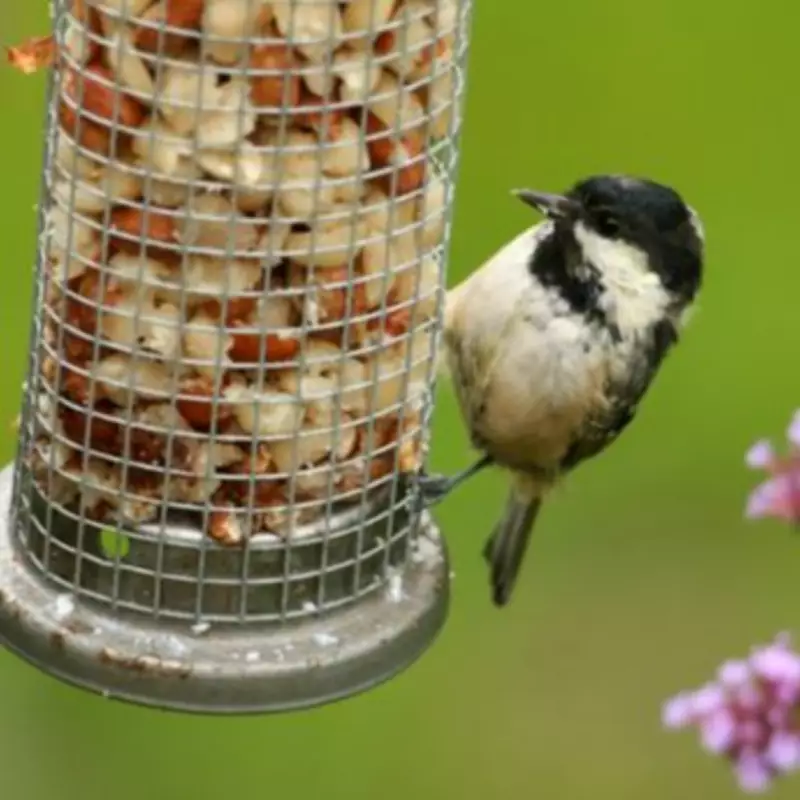
Gardeners across the nation are being urged to complete three straightforward yet vital tasks this April to help protect and safeguard the bird species that frequent their outdoor spaces. This call to action follows new guidance issued by the Royal Society for the Protection of Birds (RSPB) on how to feed birds safely, aiming to combat the spread of diseases that have led to concerning population declines.
RSPB Guidance Highlights Disease Threats
The RSPB has highlighted a significant drop in certain bird species, primarily due to a disease known as trichomonosis. This illness is most frequently transmitted when birds congregate at feeders, leading to devastating effects. For instance, the population of greenfinches has plummeted by more than 65% over the past three decades. In response, the RSPB emphasizes that simple adjustments in garden maintenance can play a crucial role in saving these beloved garden birds.
Three Essential April Tasks for Gardeners
In a recent TikTok clip, gardener Gee outlined three key actions that every household with outdoor space should undertake this April to ensure garden birds can feed safely throughout the year. These tips not only help shield birds from illness but also support other elements of the ecosystem, including bees, butterflies, and various insects.

- Clean Bird Baths Weekly
While the RSPB guidance largely focuses on new feeding rules, bird baths also require attention. Gee advises draining and thoroughly cleaning your bird bath once a week, using a scourer sponge and washing-up liquid, ensuring all soap residue is removed before refilling with fresh water. This aligns with RSPB recommendations that stress good hygiene is essential to prevent disease spread among bird populations.
- Feed Seasonally
Gee also highlighted RSPB guidance on seasonal feeding. Between 1st May and 31st October, avoid placing seeds or peanuts in bird feeders, opting instead for mealworms, fatballs, or suet. This reduces disease transmission risk during months when natural food sources are abundant. From November through April, you can resume offering a full variety of foods, including seeds and peanuts.
- Plant Wildflowers
The simplest step for any gardener, even without feeders or baths, is to plant wildflowers. These blooms flourish naturally and can be easily grown from mixed seed packets scattered in flowerbeds. Wildflowers produce seeds and attract insects, providing natural nourishment for birds and bringing added benefits like attracting bees and butterflies. Planting sunflowers and allowing heads to go to seed is another excellent option, offering abundant food for visiting birds.
Comprehensive RSPB Advice on Bird Feeding
The RSPB has published detailed advice on safely feeding and caring for garden birds, with key highlights including:
- Clean bird feeders and baths at least once a week, and sweep away old food or droppings to maintain cleanliness.
- Place feeders in different spots weekly to prevent build-up of contaminated debris, and keep multiple feeders separated to avoid overcrowding.
- Avoid positioning feeders under trees to reduce contamination from droppings.
- Steer clear of flat feeders like bird tables or window feeders, as they pose higher disease risks due to contaminated food collection on flat surfaces.
- Change water in bird baths daily, using tap water, and only offer water if you can commit to daily changes.
By following these guidelines and completing the three April tasks, gardeners can make a meaningful contribution to wildlife conservation, helping to reverse the decline of vulnerable bird species and fostering a healthier ecosystem in their own backyards.