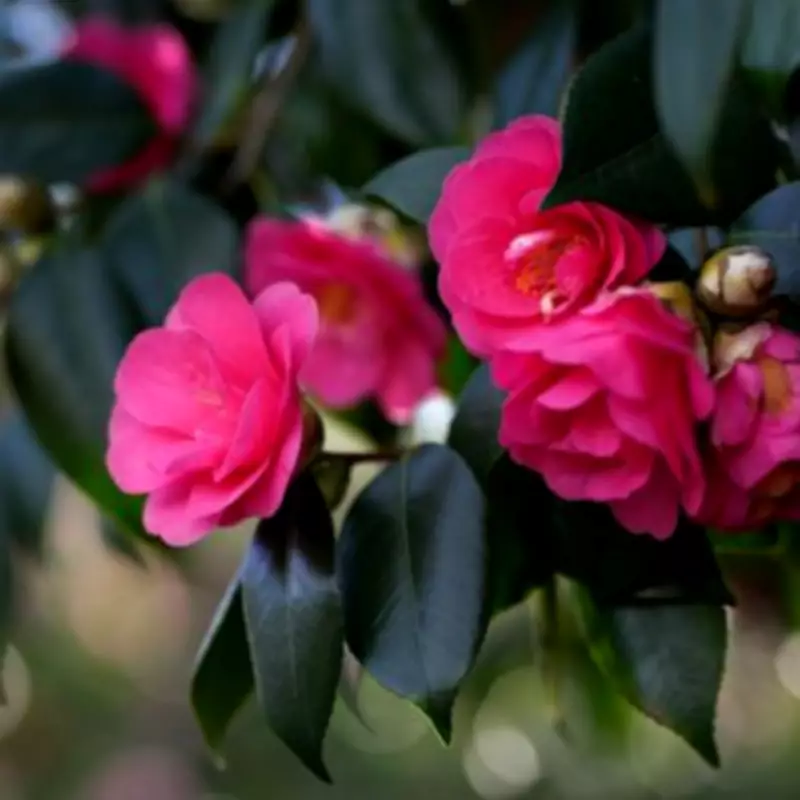
Spring presents the ideal opportunity for gardeners to set the stage for a more impressive camellia display next year. While many plants may allow for a period of rest, camellias require specific attention during this season to thrive and produce abundant blooms in the future.
Timing is Everything for Camellia Care
According to gardening expert and TikTok creator Ish, the period immediately after camellias stop flowering is the most critical for maintenance. Unlike many other garden plants that benefit from pruning in late summer or winter, camellias develop their buds for the next year's flowers throughout the year.
"If you chop this all back at the end of summer, chances are you're going to ruin the display next year, and no one wants that," Ish cautioned. This makes spring the optimal time for the necessary care tasks.

The Three Essential Spring Jobs
1. Strategic Pruning
Wait until the stems become less full before pruning. Focus on removing any overlapping stems that rub together, as this friction can damage the bark and create entry points for diseases and infections that could compromise the plant's health and flowering potential.
2. Soil Acidity Management
Camellias flourish in acidic soil with a pH level between six and 6.5. Planting them in alkaline soil often results in excessive leaf growth at the expense of flowers. To maintain proper acidity, Ish recommends using ericaceous compost or applying pine bark chips as a top layer to the soil.
3. Consistent Watering
Even after flowering concludes, camellias require regular watering. "A lot of people think because it's done it doesn't need a good watering. Keep it well-watered like you would the rest of your plants," Ish advised. Proper hydration supports the development of next year's buds.
Understanding Camellia Growth Cycles
Camellias typically bloom between October and April, meaning they are concluding their current flowering period as spring arrives. This timing makes spring maintenance particularly important for ensuring a successful bloom cycle the following year.
Gardeners should note that camellias naturally drop their spent flowers, eliminating the need for deadheading. The plant's energy instead focuses on developing new buds for future displays.
By implementing these three spring tasks—pruning overlapping stems, maintaining acidic soil conditions, and providing consistent watering—gardeners can look forward to more vigorous growth and a more spectacular floral show next year. "Not too difficult, ey?" Ish concluded, emphasizing that with proper timing and technique, achieving better camellia blooms is well within reach.