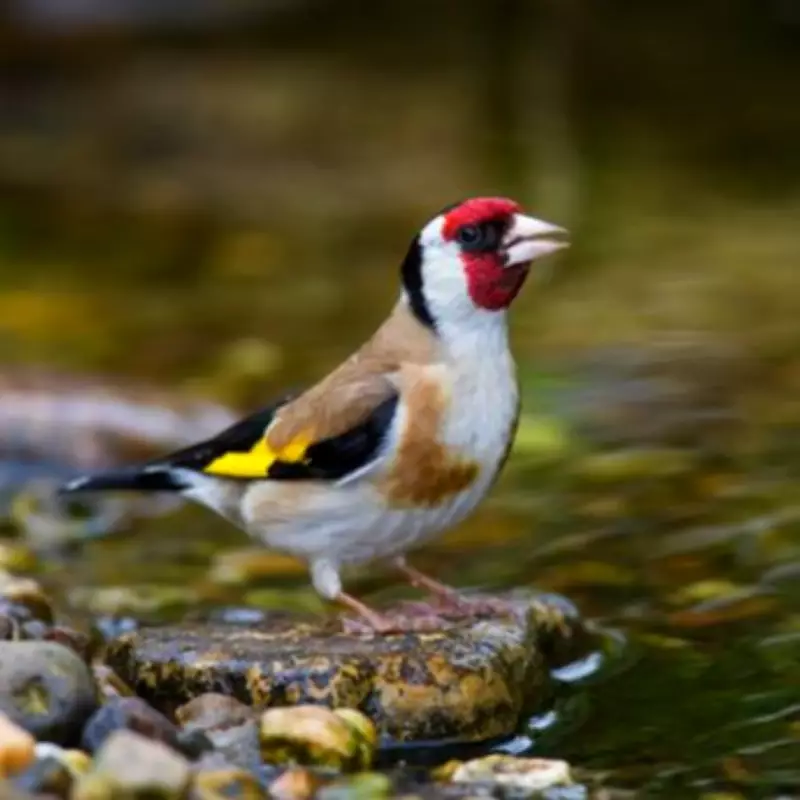
Goldfinches and sparrows are likely to flock to your garden if you cultivate a specific "cheerful" flower that is remarkably easy to grow across the United Kingdom. As spring unfolds, observing vibrant birds darting through a meticulously maintained garden is a delightful experience, and there are straightforward measures to enhance the probability of such sightings.
Essential Steps for a Bird-Friendly Garden
Establishing a bird feeder and providing fresh water are fundamental actions, but incorporating a nest box and selecting plants that appeal to birds can significantly amplify your garden's allure. One particular annual plant is celebrated as a "favourite food source" for various avian species.
Sunflowers: A Prime Attraction for Birds
Sunflower seeds are adored by a colourful assortment of birdlife, including blackbirds, dunnocks, goldfinches, great spotted woodpeckers, great tits, greenfinches, sparrows, and even robins. According to BBC Gardeners' World Magazine, it is crucial to choose "single-flowered varieties with large centres" and to leave the plants standing after flowering concludes, as they will function as "natural birdfeeders."

In a recent article on the subject, the magazine elaborated: "Select single-flowered varieties with large centres and leave plants standing after the flowers are over - the seedheads will act as natural birdfeeders into early winter."
Optimal Cultivation Techniques for Sunflowers
Sunflowers can be sown indoors or directly into the ground at the desired location, but initiating indoor sowing now grants them a developmental advantage. Cultivate them in a cool, frost-free environment and transplant them outdoors once the threat of frost has subsided.
As the plants increase in height, support them by staking with bamboo canes. For outdoor sowing, delay until frosts have ceased and sow two seeds per hole, subsequently removing the weaker seedling.
Additional Plants to Entice Birds
Beyond sunflowers, the publication suggested other plant types to attract birds to outdoor spaces, such as guelder rose, ivy, honeysuckle, roses, and crab apples. These plants contribute to creating a diverse and inviting habitat for various bird species.
Related Advice for Attracting Owls
In related developments, wildlife experts at Green Feathers recently shared a valuable tip to improve the likelihood of attracting owls to gardens: simply deactivate any outdoor lights during the evening hours.
They explained: "To make your garden more owl-friendly, you need to reduce light pollution at night. Keep lights turned off if possible or invest in motion-activated lighting instead. This will maintain home security by illuminating shadowy areas if an intruder approaches, without disturbing the owls in the vicinity."
They further noted: "According to The Barn Owl Trust, 95% of wild barn owls contain rat poison in their systems, posing a significant problem for this species. If you aim to attract owls to your garden to manage a rat issue, ensure your garden is free of rat poison and traps - rely on the owls to address the problem for you."