Simple Watering Schedule in Spring Can Protect Your Garden from Slugs
Stop Slugs in Spring with One Simple Watering Step

Slugs become particularly rampant in spring as temperatures rise, posing a significant threat to gardens. However, a straightforward and chemical-free method involving a specific watering schedule can effectively protect your plants from these destructive pests.

The Problem with Slugs in Spring Gardens

Every gardener faces the frustration of slugs interfering with their hard work and stunting plant growth. These slimy creatures have a voracious appetite, capable of devouring foliage overnight and creating unsightly holes in leaves, stems, flowers, and vegetables like potatoes. They often leave behind distinctive silvery slime trails as evidence of their presence.

Spring is a critical period for new plant growth, which unfortunately provides fresh food supplies for slugs. While some slug species can be beneficial by consuming dead and decaying plants, the majority of the over 40 types found in the UK are destructive to healthy vegetation.

Wide Pickt banner — collaborative shopping lists app for Telegram, phone mockup with grocery list

The Simple Watering Solution

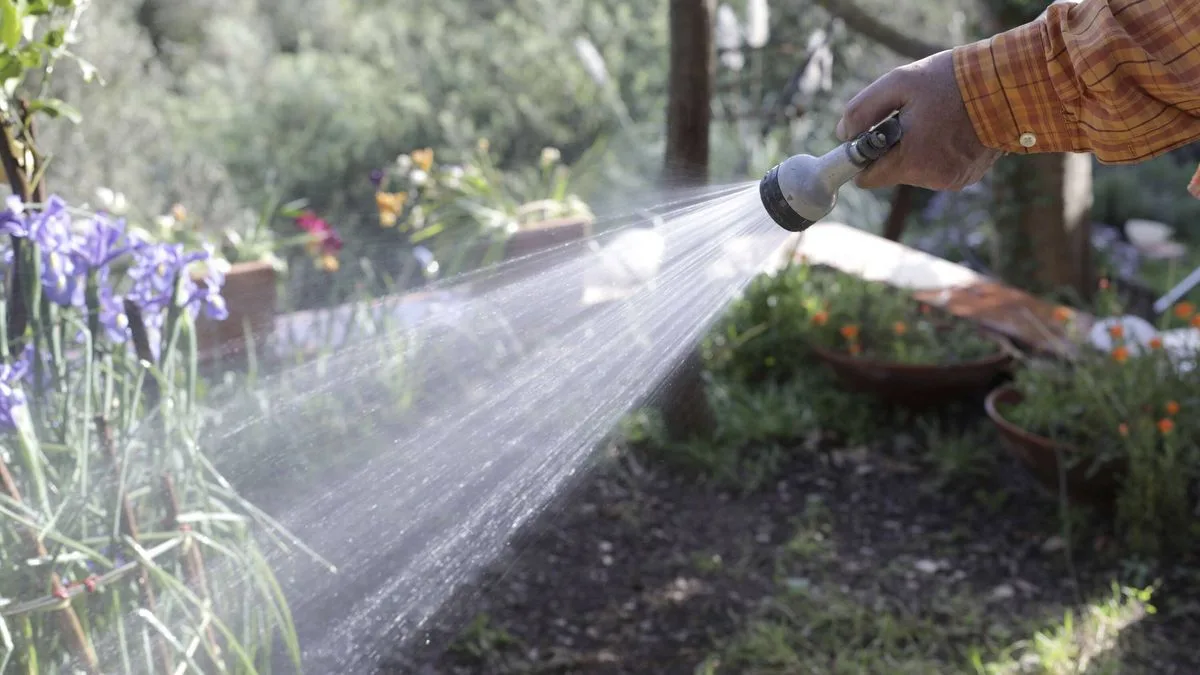
According to gardening experts from Gardeners' World, the timing of watering your plants can make a substantial difference in slug prevention. Watering plants first thing in the morning allows the soil to dry by evening, creating an environment that naturally repels slugs.

Why This Method Works

Slugs are most active during nighttime hours when conditions are cooler and damper. Moist soil in the evening essentially creates a highway for slugs to travel between plants. By watering early in the day, you make your flowerbeds and vegetable patches less attractive and more difficult for slugs to navigate.

For enhanced protection, gardeners can use biological controls containing microscopic nematodes when watering. These natural predators infect slugs with bacteria that ultimately kill them without resorting to harsh chemicals. When applied to warm, moist soil from spring onward, this treatment can remain effective for up to six weeks.

Additional Slug Deterrent Methods

Beyond strategic watering, several other approaches can help manage slug populations in your garden:

  • Manual Removal: Many gardeners prefer physically removing slugs after nightfall when they're most active. Prepare a bucket of salt water for disposal during those extended summer evenings.
  • Slug Traps: Create designated areas with bait such as old vegetables, leaves, dried cat food, oats, or bran to lure slugs for easy collection.
  • Copper Barriers: Place copper rings around vulnerable plants. Slugs experience something akin to an electric shock upon contact with copper, making it an effective deterrent.
  • Physical Barriers: Surround plant bases with materials slugs find uncomfortable to cross, including grit, stones, cat litter, bark, or sawdust.
  • Beer Traps: Sink containers filled with beer into the ground, leaving the top exposed. The potent aroma attracts slugs, who then fall in and drown. Place a loose lid over traps to prevent other small creatures from accidental entry.

Practical Considerations

While biological controls through watering require multiple applications throughout the growing season, treating your entire garden isn't always practical. Focus on priority areas like vegetable patches for maximum effectiveness. Similarly, physical barriers need regular topping up as materials settle or wash away.

Research indicates that many slugs actually live within the soil rather than on the surface, which explains why some barrier methods have limited effectiveness. This makes timing-based approaches like morning watering particularly valuable as they address the environment slugs navigate through.

By combining strategic watering with complementary methods, gardeners can create comprehensive protection for their plants without resorting to chemical slug pellets, ensuring a healthier garden ecosystem for both plants and beneficial wildlife.

Pickt after-article banner — collaborative shopping lists app with family illustration