Midwest soybean farmers are confronting a perfect storm of financial challenges, with persistent low prices, escalating operational costs, and severe supply chain disruptions stemming from international trade conflicts and geopolitical tensions. A comprehensive report by The Associated Press and Lee Enterprises reveals how tariffs and the war in the Middle East have compounded long-standing issues in the agricultural sector.
Financial Strain from Low Prices and Rising Costs
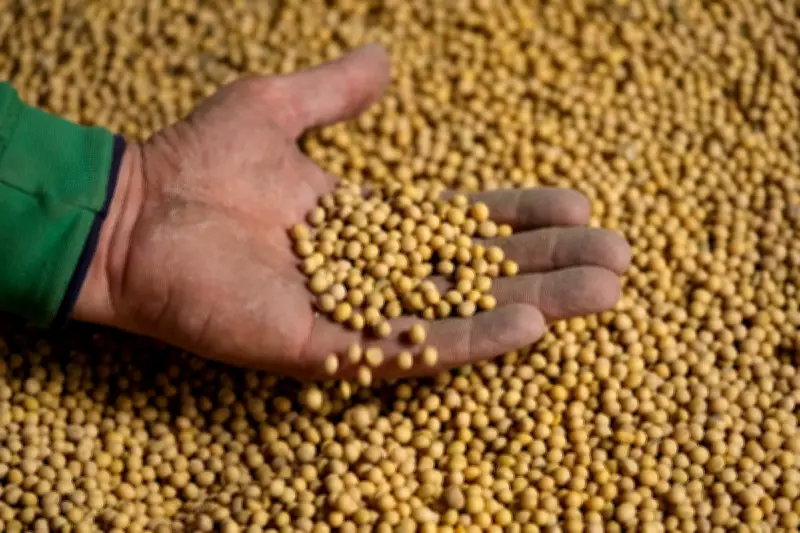
Soybeans, a cornerstone of U.S. agricultural exports used in livestock feed, food products, and biofuels, have seen prices remain stubbornly low in recent years. This trend is largely driven by a global oversupply, with Brazil overtaking the United States as the world's leading soybean producer.
"Global soybean production has consistently broken records, leading to depressed prices due to abundant supplies," explained Chad Hart, an agricultural economist at Iowa State University.

Simultaneously, Midwest farmers face mounting expenses. According to the U.S. Department of Agriculture, overall farm production costs, including seeds and pesticides, have steadily increased. Operating costs for soybean production have remained elevated since 2020 and are projected to rise again in 2026.
Land costs present another significant burden. Midwest crop land values have climbed, and many regional farmers rent portions of their land, adding to financial pressures.
Lasting Impacts of the U.S.-China Trade War
The trade war initiated by President Donald Trump in April 2025 dealt a severe blow to soybean farmers. China, historically the top buyer of U.S. soybeans, responded with retaliatory tariffs and effectively boycotted American soybeans, slashing a crucial export market and further depressing prices.
Although a late-2025 agreement committed China to purchasing 12 million metric tons of soybeans by January and at least 25 million metric tons annually for three years, and the Trump administration provided a $12 billion aid package in December, the damage was already substantial.
"Even with federal assistance, farmers lost nearly $75 per harvested acre of soybeans in the 2025 crop," noted the American Soybean Association.
Joseph Glauber, former chief economist at the Department of Agriculture, highlighted that the trade war accelerated China's shift toward competitors like Brazil, diminishing U.S. dominance in the global soybean export market.
Iran War Exacerbates Supply Chain and Cost Issues
The conflict between the U.S., Israel, and Iran, beginning on February 28, severely disrupted shipping through the Strait of Hormuz. This bottleneck caused oil prices to surge and halted exports of nitrogen fertilizers from the Persian Gulf, a key global supplier.
While soybeans do not require nitrogen fertilizer, it is essential for corn, which most soybean farmers also cultivate. The price of urea, a widely traded nitrogen fertilizer, skyrocketed due to these disruptions.
"The war and closure of the strait will have lasting impacts on farmers," said Seth Goldstein, a senior equity analyst at Morningstar. "Damage to Middle Eastern export facilities will take time to repair, prolonging supply chain recovery."
A ceasefire announced on April 7 offered some hope for easing bottlenecks, but traffic remained slowed, and urea prices stayed elevated. Additionally, gasoline and diesel price surges from the war further strained farmers' budgets.
Key Challenges for Midwest Soybean Farmers
- Persistently low soybean prices due to global oversupply.
- Rising operational costs, including land, seeds, and pesticides.
- Loss of Chinese export markets from retaliatory tariffs.
- Disrupted fertilizer and fuel supplies from the Iran war.
- Long-term damage to global supply chains and U.S. export competitiveness.
In summary, Midwest soybean farmers are navigating a complex landscape of economic and geopolitical pressures. While temporary measures like aid packages and ceasefire agreements provide some relief, experts warn that recovery will be slow, with lasting effects on the agricultural economy.