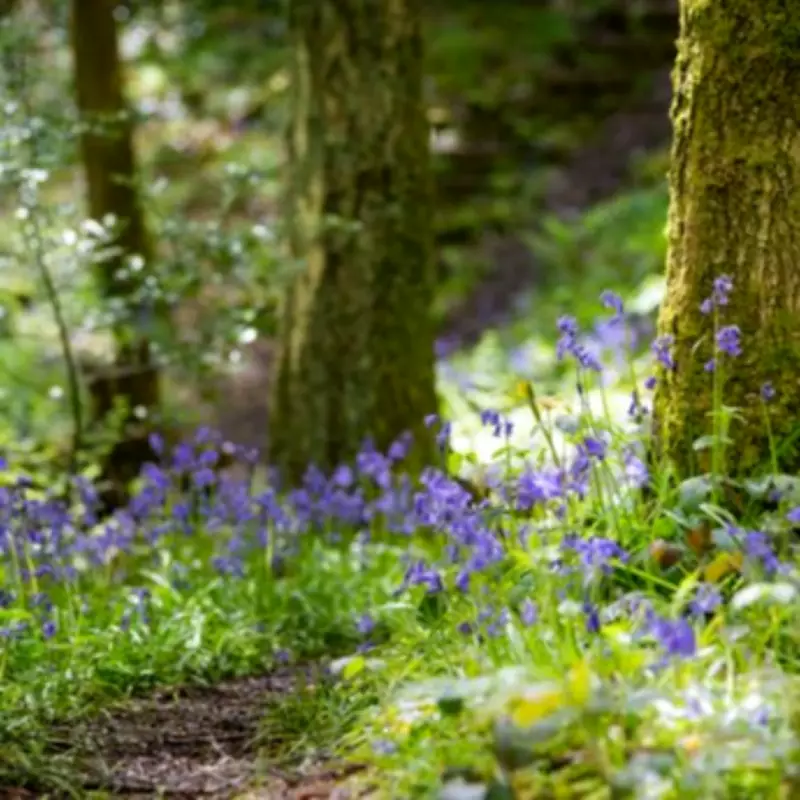
Hidden Gem in South Devon Crowned Premier Bluebell Destination
A secluded woodland walk in the South West of England has been celebrated as one of the best places to witness bluebells in the United Kingdom, with a local hiker sharing insider tips that highlight its tranquil beauty and accessibility. South Devon resident Elise Spicer, during a recent ramble in South Brent, unveiled the location of Lady's Wood, describing it as a spot so obscure that you would never discover it without prior knowledge.
Peaceful Escape with Natural Wonders
Elise, accompanied by her dog, captured the essence of the walk in a video, noting how it transforms into an absolutely beautiful spectacle when the bluebells bloom each spring. She emphasized that the route is approximately 1.5 kilometres in length, forming a circular path that takes around 30 minutes to complete, making it ideal for a short, easy outing and particularly suitable for children.
As she ventured beneath a viaduct arch, Elise pointed out the serene clear stream and wild garlic that flourish alongside the flowers, adding to the area's peaceful ambiance. She also mentioned that the woodland is part of a nature reserve, ensuring it is well-maintained and protected, with a footpath connecting directly to Dartmoor National Park for those seeking extended adventures.

Historical and Ecological Significance
The Devon Wildlife Trust has endorsed Lady's Wood, describing it as a gateway to the wild landscape of Dartmoor, where bluebells and dormice are the standout features. This reserve, the Trust's oldest, lies on a gentle north-facing slope above Glaze Brook and is renowned for its annual bluebell display, serving as a stronghold for hazel dormice.
To access this hidden treasure, visitors should take a minor road from South Brent towards Cheston or Wrangaton, where a track on the right-hand side, just past Glazebrook Court, leads to the reserve. Social media responses have echoed Elise's praise, with one user recalling frequent visits and another expressing eagerness to explore the area.
Broader Context of Bluebell Appreciation
Bluebells are widely appreciated for their natural beauty, with many people flocking to woodland floors in mid- to late-spring to admire the carpets of flowers. According to the Royal Horticultural Society, these blooms attract pollinators such as bees and butterflies, including species like the brimstone and orange-tip, making them a valuable addition to wildlife gardens. They also provide effective ground cover under deciduous trees and shrubs during spring and summer.
This revelation underscores the enduring appeal of Britain's natural landscapes, offering a reminder of the hidden gems that await discovery for those willing to seek them out.