Gardening Secret: One Simple Trick Makes Rhubarb Taste Sweeter Naturally
A straightforward gardening technique can transform your homegrown rhubarb, making the stalks naturally sweeter and less tart. This method not only enhances flavour but also allows for harvest within approximately eight weeks of implementation.
The Botanical Enigma: Vegetable or Fruit?
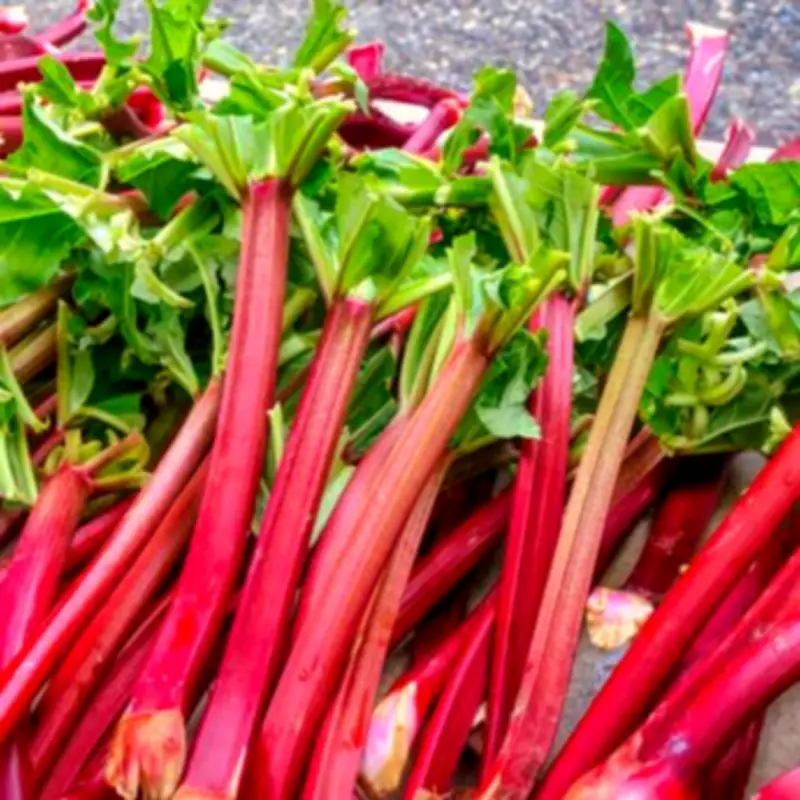
Rhubarb presents a fascinating botanical puzzle. Classified as a vegetable due to its lack of seeds and origin from the plant's stalk rather than the flowering part, it is universally treated as a fruit in culinary contexts. From April to September, its season, rhubarb is widely available in supermarkets and is remarkably easy to cultivate in home gardens with minimal effort.
The crunchy stalks are nutritionally rich, containing carbohydrates, fibre, potassium, and vitamin C, making them versatile for breakfasts, snacks, and desserts like crumbles, jams, and preserves. However, some find the natural tartness overpowering, often resorting to added sweeteners. A simple gardening hack, however, can naturally boost its sweetness.

The Forced Rhubarb Technique Revealed
On social media platforms like TikTok, gardening enthusiasts such as Louise have popularised a method known as forced rhubarb. Louise, who shares advice from her own productive plot, demonstrated this technique in a recent clip. She explained that after planting rhubarb two years prior and waiting for maturity, she employed a unique approach to enhance flavour.
In the video, Louise stood beside a large, upturned black container placed over the plant, secured with a concrete block. Lifting the container revealed vibrant red rhubarb stalks hidden beneath. This method, forcing rhubarb, involves growing the plant in complete darkness, typically starting in January, to mimic underground conditions.
How Forcing Rhubarb Works
Forcing rhubarb tricks the stems into believing they remain underground by blocking out all light. This accelerates growth, resulting in tender, pale pink stalks that are sweeter and less sharp compared to outdoor-grown varieties. The absence of green colouration is key, as it reduces acidity and enhances natural sweetness, while also creating an aesthetically pleasing appearance.
To successfully force rhubarb, cover the entire crown with a tall bucket, bin, or large deep pot that blocks light and allows stems to grow at least 30cm (12 inches) tall. Secure the container by pegging down its sides or placing a heavy object on top to prevent toppling in strong winds. After about eight weeks, when stems reach the desired height, harvest them by gently pulling from the base.
Benefits of Forced Rhubarb
This technique offers multiple advantages. It enables an early crop harvest ahead of conventional rhubarb, providing a premium, early-season variety. The resulting stalks are not only sweeter and more tender but also visually appealing, making them ideal for culinary use without the need for additional sweeteners. For home gardeners, it's a brilliant way to maximise flavour and yield with minimal intervention.
Incorporating forced rhubarb into your gardening routine can elevate your homegrown produce, offering a delicious and natural alternative to store-bought options. Whether you're a seasoned gardener or a beginner, this method proves that a simple adjustment can significantly enhance the taste and quality of your rhubarb.